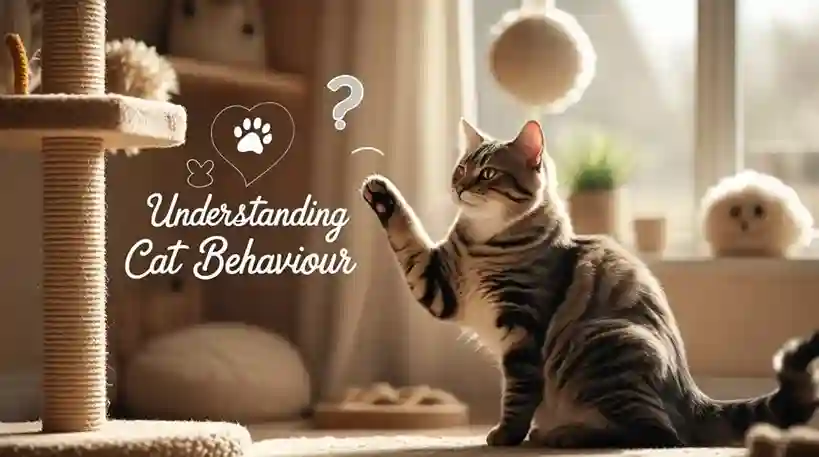
Your fluffy, pampered housecat, lounging on a sunlit windowsill, suddenly transforms into a stealthy predator. Her eyes lock onto a fluttering moth, her body crouches low, and in a flash, she pounces with precision that would make a lion proud. If you’ve ever wondered, “Why do cats hunt?” you’re not alone. This question taps into the heart of what makes cats such fascinating and enigmatic companions.
Cats, whether they’re domesticated tabbies or wild leopards, are born hunters. Their hunting behavior is not just a quirky habit—it’s a deeply ingrained instinct that has shaped their evolution for millions of years. In this comprehensive guide, we’ll dive into the science, psychology, and practical implications of why cats hunt. From their ancestral roots to the toys that mimic prey in your home, we’ll explore every angle of this feline phenomenon.
Whether you’re a cat owner looking to understand your pet’s behavior or a curious reader intrigued by animal instincts, this post will answer your questions and offer actionable insights.
🐾 Recommended for Pet Parents
Discover trusted resources, tips and tools for your furry friend!
Explore Free Pet Resources →The Evolutionary Roots of Feline Hunting
To understand why cats hunt, we must travel back in time to their origins. Domestic cats (Felis catus) share a common ancestor with wild felines, dating back roughly 10–12 million years. These early felids were solitary, agile predators who relied on hunting to survive in diverse environments, from forests to deserts.
Cats as Obligate Carnivores
Cats are obligate carnivores, meaning their bodies are biologically designed to thrive on a diet primarily composed of meat. Unlike omnivores like dogs or humans, cats lack the enzymes needed to efficiently process plant-based nutrients. Their sharp claws, retractable for stealth, and razor-like teeth are evolutionary tools honed for capturing and consuming prey.
Hunting was not just a means of survival for early cats—it was their only way to obtain essential nutrients like taurine, found exclusively in animal tissue. Even today, your housecat’s biology screams “predator.” Their keen senses, muscular bodies, and lightning-fast reflexes are all relics of a life spent stalking prey.
Solitary Hunters by Nature
Unlike pack-hunting animals like wolves, cats are solitary hunters. This trait influences their hunting style, which emphasizes stealth, patience, and precision. Wild cats, such as the African wildcat (Felis lybica), the closest relative to domestic cats, hunt alone to avoid competition. This solitary nature persists in modern cats, explaining why your pet might prefer to “hunt” a toy mouse in private or stalk birds from a hidden perch.
The Role of Instinct
Hunting is hardwired into a cat’s brain. Studies show that the feline brain’s reward system lights up when they engage in predatory behaviors, releasing dopamine that reinforces the behavior. This instinct persists even in well-fed domestic cats, which is why your cat might pounce on a feather toy despite a full bowl of kibble. For cats, hunting isn’t just about food—it’s about fulfilling a biological and psychological need.
Why Do Domestic Cats Hunt?
If your cat has a cozy home and a steady supply of food, why does she still chase after bugs, birds, or that elusive laser pointer? The answer lies in a combination of instinct, boredom, and environmental factors.
Instinct Overrules Logic
Even the most pampered housecat retains the instincts of her wild ancestors. Hunting is not solely driven by hunger; it’s a behavior rooted in survival. Research from the University of Georgia found that domestic cats, when given the opportunity, will hunt regardless of their nutritional status. This explains why your cat might bring you a “gift” in the form of a dead mouse or bird—it’s not because she’s hungry, but because her instincts compel her to practice her skills.
Play as a Substitute for Hunting
For indoor cats, hunting instincts often manifest as play. When your cat chases a string or pounces on a toy, she’s engaging in the same behaviors she would use to catch prey in the wild. This play is crucial for mental and physical health. A 2019 study published in Animal Behavior found that cats deprived of opportunities to “hunt” (through play or environmental enrichment) showed signs of stress, anxiety, and even aggression.
Boredom and Lack of Stimulation
Indoor cats, in particular, may hunt to alleviate boredom. Without the challenges of the wild, a cat’s environment can feel stagnant. Stalking a bug or batting at a curtain provides mental stimulation and a sense of purpose. This is why environmental enrichment—such as puzzle feeders, interactive toys, and climbing structures—is critical for indoor cats. It channels their hunting instincts into healthy outlets.
The Influence of Early Life
A cat’s hunting behavior is also shaped by her early experiences. Kittens learn to hunt by observing their mothers and practicing with siblings. If a kitten is raised in a stimulating environment with opportunities to “hunt” toys or objects, she’s likely to develop strong predatory behaviors. Conversely, cats raised in sterile environments may show less intense hunting instincts, though the drive never fully disappears.
The Mechanics of a Cat’s Hunt
Watching a cat hunt is like observing a perfectly choreographed dance. Every movement is deliberate, from the initial stalk to the final pounce. Let’s break down the stages of a cat’s hunting process and the physical adaptations that make them such effective predators.
The Stalk
The hunt begins with the stalk, where a cat lowers her body, moves silently, and fixes her gaze on the target. Her large, forward-facing eyes provide binocular vision, allowing her to judge distance with pinpoint accuracy. Whiskers detect subtle changes in air currents, helping her navigate tight spaces or sense nearby movement.
The Chase
Once the prey is within range, the cat may break into a short, explosive chase. Cats are sprinters, not marathon runners, with muscles designed for quick bursts of speed. Their flexible spines and powerful hind legs enable them to leap up to five times their body length in a single bound.
The Pounce and Kill
The pounce is the climax of the hunt, where the cat launches herself at the prey with claws extended. Her retractable claws grip the target, while her sharp teeth deliver a precise bite, often to the neck, to dispatch the prey quickly. This bite is guided by instinct and honed through practice, even in domestic cats who “hunt” toys.
The “Play” After the Kill
You may have noticed your cat batting around a captured bug or toy after “killing” it. This behavior, often mistaken for cruelty, is actually a survival mechanism. In the wild, cats may prolong the hunt to exhaust prey or ensure it’s safe to eat. For domestic cats, this play reinforces their hunting skills and provides mental stimulation.
The Impact of Hunting on Cats and Their Owners
While hunting is natural for cats, it can create challenges for owners, especially when it involves real prey. Let’s explore the implications of feline hunting behavior and how it affects both cats and their human companions.
The Emotional Bond of “Gifting”
When your cat drops a dead bird or mouse at your feet, it’s easy to feel horrified—or flattered. Experts believe this “gifting” behavior is a sign of trust and affection. In the wild, mother cats bring prey to their kittens to teach them to hunt. Your cat may see you as part of her family, offering her “catch” as a contribution to the household or a teaching moment.
The Ecological Impact
Outdoor cats pose a significant threat to wildlife. A 2013 study published in Nature Communications estimated that free-roaming domestic cats kill billions of birds and small mammals annually in the United States alone. This has led to calls for keeping cats indoors or using deterrents like bell collars to reduce their hunting success. If your cat is an outdoor hunter, consider the environmental impact and explore ways to minimize harm.
Health Risks of Hunting
Hunting can expose cats to risks, including injuries from prey (like bites from rodents), parasites, or toxins from consuming wild animals. Outdoor cats are also at higher risk of contracting diseases like feline leukemia or getting into fights with other animals. Regular veterinary checkups and parasite prevention are essential for cats that hunt.
Managing Hunting Behavior
For indoor cats, redirecting hunting instincts is key to preventing destructive behavior. Provide toys that mimic prey, such as feather wands, laser pointers, or motorized mice. Rotate toys regularly to keep your cat engaged. Puzzle feeders and treat-dispensing toys can simulate the challenge of hunting, satisfying your cat’s instincts while keeping her safe.
How to Support Your Cat’s Hunting Instincts Safely
As a cat owner, you can channel your cat’s predatory instincts into positive, safe activities. Here are practical tips to keep your cat happy, healthy, and fulfilled without turning your home into a hunting ground.
Enrich Their Environment
Create a stimulating environment with climbing trees, scratching posts, and perches near windows for “bird-watching.” Hide treats around the house to encourage exploration and mimic foraging behavior.
Interactive Playtime
Dedicate 15–30 minutes daily to interactive play. Use toys that move unpredictably, like feather wands or balls, to engage your cat’s hunting instincts. Vary the routine to prevent boredom.
Training and Mental Stimulation
Teach your cat simple tricks, like “sit” or “fetch,” to engage her mind. Clicker training can be especially effective, rewarding your cat for desired behaviors and providing mental exercise.
Outdoor Access with Supervision
If your cat craves the outdoors, consider a catio (an enclosed patio for cats) or leash training. These options allow your cat to experience the sights and sounds of nature without endangering wildlife or herself.
Consult a Behaviorist
If your cat’s hunting behavior becomes excessive (e.g., attacking furniture or people), consult a feline behaviorist. They can assess your cat’s environment and recommend tailored solutions.
Debunking Myths About Cat Hunting
There are many misconceptions about why cats hunt. Let’s set the record straight.
Myth 1: Cats Only Hunt When Hungry
As we’ve discussed, hunting is an instinct, not just a response to hunger. Even well-fed cats will hunt to satisfy their predatory drive.
Myth 2: Hunting Is Cruel
Cats aren’t being malicious when they hunt; they’re following their biology. Their prolonged “play” with prey is a survival tactic, not sadism.
Myth 3: Indoor Cats Don’t Need to Hunt
Indoor cats still have the same instincts as outdoor cats. Without outlets for hunting, they may become bored, stressed, or destructive.
Myth 4: Bell Collars Stop Hunting
While bell collars can reduce a cat’s hunting success, they don’t eliminate the instinct. Cats are stealthy enough to adapt, and bells may not deter all prey.
The Future of Feline Hunting Behavior
As urbanization increases and more cats live indoors, the way cats express their hunting instincts is evolving. Advances in pet technology, like AI-driven toys and virtual reality for cats, are emerging to simulate hunting in safe, engaging ways. Meanwhile, conservation efforts are pushing for responsible pet ownership to protect wildlife from outdoor cats. The future of feline hunting lies in balancing a cat’s natural instincts with the realities of modern life.
Conclusion
Cats hunt because it’s who they are—descendants of wild predators with instincts that have survived millennia. Whether your cat is stalking a toy mouse or gazing longingly at birds outside, her hunting behavior is a testament to her evolutionary legacy. As cat owners, our role is to understand and respect this instinct while providing safe, enriching ways for our pets to express it.
By offering interactive toys, a stimulating environment, and plenty of love, you can help your cat thrive as the skilled hunter she was born to be—without the collateral damage. So, the next time your cat pounces on a stray sock or brings you a “gift,” smile and remember: you’re living with a tiny, domesticated tiger.