Cats are masters of mystery, often hiding their feelings behind those soulful eyes and enigmatic purrs. But as devoted cat parents, it’s our job to decode their subtle signals—especially when stress is brewing. A stressed cat isn’t just an unhappy kitty; chronic stress can lead to health issues, behavioral problems, and a strained bond between you and your feline friend. So, how do you know if your cat is stressed? And more importantly, what can you do about it?
In this comprehensive guide, we’ll uncover 15 telltale signs of a stressed cat, explore the common causes of feline stress, and share expert-backed solutions to help your cat find their inner zen. Whether you’re a first-time cat owner or a seasoned feline enthusiast, this article will empower you to recognize stress in your cat and take action to restore their calm. Let’s dive in!
Table of Contents
🐾 Recommended for Pet Parents
Discover trusted resources, tips and tools for your furry friend!
Explore Free Pet Resources →Why Recognizing Stress in Cats Matters
Cats are sensitive creatures, and their stress responses are often subtle. Unlike dogs, who might vocalize or act out overtly, cats tend to internalize their anxiety, making it harder for owners to notice. Left unaddressed, stress can manifest in physical symptoms like urinary issues, digestive problems, or skin conditions, as well as behavioral changes like aggression or withdrawal.
By learning to spot the signs of stress early, you can intervene before these issues escalate. Plus, a happy, relaxed cat means a stronger bond and a more harmonious household. So, let’s explore the 15 signs your cat might be stressed and what they’re trying to tell you.
15 Signs Your Cat Is Stressed
1. Excessive Grooming or Over-Grooming
Cats are meticulous groomers, but excessive licking, chewing, or pulling out fur can signal stress. Over-grooming often leads to bald patches or skin irritation, particularly on the belly or legs.
What it means: Your cat may be self-soothing to cope with anxiety.
What to do: Check for environmental changes (new pets, loud noises) and consult a vet to rule out medical causes like allergies.
2. Hiding More Than Usual
If your cat is suddenly spending more time under the bed or in secluded spots, they might be feeling overwhelmed.
What it means: Hiding is a cat’s way of retreating from perceived threats.
What to do: Create safe spaces with cozy beds or boxes and minimize disruptions in their environment.
3. Changes in Appetite
A stressed cat may lose interest in food or, conversely, overeat as a coping mechanism.
What it means: Appetite changes often reflect emotional distress or health issues.
What to do: Monitor their eating habits and consult a vet if the change persists for more than 24-48 hours.
4. Inappropriate Elimination
Urinating or defecating outside the litter box is a classic sign of stress, especially if your cat was previously litter-trained.
What it means: Stress can disrupt their routine or make them avoid the litter box.
What to do: Ensure the litter box is clean, private, and accessible. Rule out urinary tract infections with a vet visit.
5. Increased Vocalization
Is your cat meowing, yowling, or hissing more than usual? Excessive vocalization can indicate discomfort or anxiety.
What it means: They’re trying to communicate their unease.
What to do: Identify triggers (e.g., new people, loud noises) and provide a calm environment.
6. Aggression Toward People or Pets
A stressed cat may lash out with swatting, biting, or hissing, even if they’re usually friendly.
What it means: They’re feeling threatened or overwhelmed.
What to do: Give them space and avoid forcing interactions. Consult a behaviorist for persistent aggression.
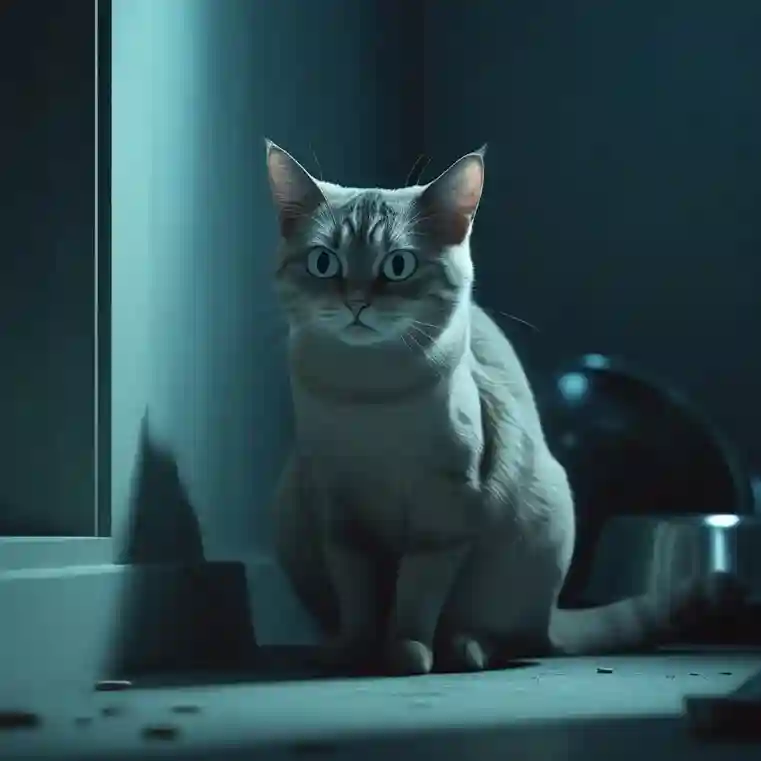
7. Dilated Pupils or Wide Eyes
Large, dilated pupils or a “wide-eyed” look can indicate fear or stress, especially in unfamiliar situations.
What it means: Their fight-or-flight response is activated.
What to do: Remove the stressor and offer a quiet space to decompress.
8. Restlessness or Pacing
If your cat can’t seem to settle down and is pacing or moving from spot to spot, stress might be the culprit.
What it means: They’re struggling to find comfort.
What to do: Provide engaging toys or a perch to redirect their energy.
9. Excessive Scratching
Scratching furniture or other surfaces more than usual can be a stress-reliever for cats.
What it means: They’re marking territory or releasing pent-up energy.
What to do: Offer scratching posts and check for environmental stressors.
10. Lethargy or Withdrawal
A normally social cat becoming distant or uninterested in play may be stressed or depressed.
What it means: They’re emotionally or physically unwell.
What to do: Encourage gentle interaction and consult a vet to rule out illness.
11. Vomiting or Digestive Issues
Stress can cause vomiting, diarrhea, or constipation in cats, especially if it’s chronic.
What it means: Their body is reacting to emotional strain.
What to do: Monitor symptoms and seek veterinary advice promptly.
12. Tail Twitching or Thumping
A rapidly twitching or thumping tail often signals agitation or stress, even if your cat appears calm.
What it means: They’re on edge and may react unpredictably.
What to do: Avoid sudden movements and give them space.
13. Changes in Sleeping Patterns
Sleeping more or less than usual can indicate stress, especially if paired with other signs.
What it means: Their routine is disrupted, affecting their rest.
What to do: Maintain a consistent schedule and provide a cozy sleeping area.
14. Ears Pinned Back
If your cat’s ears are flattened or pinned back, they’re likely feeling anxious or defensive.
What it means: They’re preparing to protect themselves.
What to do: Identify and remove the stressor, such as loud noises or unfamiliar visitors.
15. Excessive Clinginess
Some cats become overly attached, following you everywhere or demanding constant attention when stressed.
What it means: They’re seeking reassurance.
What to do: Offer comfort but encourage independence with toys or puzzles.
Common Causes of Stress in Cats
Now that you know the signs, let’s explore why your cat might be stressed in the first place. Cats are creatures of habit, and disruptions to their routine or environment can trigger anxiety. Here are the most common culprits:
- Changes in the Household: Moving, new pets, or new family members can unsettle your cat.
- Loud Noises: Construction, fireworks, or even a vacuum cleaner can be overwhelming.
- Lack of Stimulation: Boredom from insufficient play or enrichment can lead to stress.
- Litter Box Issues: A dirty or inaccessible litter box can cause anxiety.
- Health Problems: Pain or illness often manifests as stress-related behaviors.
- Social Conflicts: Tension with other pets or lack of personal space can stress your cat.
- Routine Disruptions: Changes in feeding or playtime schedules can throw them off balance.
How to Help Your Stressed Cat Find Calm
Spotting the signs of stress is only half the battle—now it’s time to help your cat feel safe and relaxed. Here are expert-backed strategies to soothe your feline friend:
1. Create a Safe Space
Set up a quiet, cozy area where your cat can retreat. Include a soft bed, a hiding spot (like a covered cat bed), and familiar items like their favorite blanket.
Place the safe space in a low-traffic area away from loud noises.
2. Stick to a Routine
Cats thrive on predictability. Feed, play, and clean the litter box at consistent times to provide stability.
Use an automatic feeder to maintain feeding schedules, even when you’re busy.
3. Enrich Their Environment
Boredom can amplify stress. Provide interactive toys, puzzle feeders, scratching posts, and perches to keep your cat engaged.
Rotate toys weekly to keep things fresh and exciting.
4. Use Calming Products
Pheromone diffusers (like Feliway), calming treats, or CBD oil designed for cats can reduce anxiety. Always consult your vet before introducing supplements.
Place pheromone diffusers in areas where your cat spends the most time.
5. Minimize Stressors
Identify and reduce triggers like loud noises or unfamiliar visitors. For example, play soft music to mask construction sounds or close curtains during fireworks.
Gradual desensitization to stressors (like introducing a new pet slowly) can help.
6. Schedule Regular Vet Visits
Stress can be a symptom of underlying health issues. Regular checkups ensure your cat is physically healthy, and your vet can recommend behaviorists if needed.
Bring a familiar blanket to vet visits to comfort your cat.
7. Offer Plenty of Affection (On Their Terms)
Some cats crave extra attention when stressed, while others need space. Let your cat guide the interaction and avoid forcing cuddles.
Use slow blinks to communicate love and trust.
8. Keep the Litter Box Pristine
A clean, accessible litter box is non-negotiable. Scoop daily, provide one box per cat (plus one extra), and place boxes in quiet, private areas.
Experiment with different litter types to find your cat’s preference.
When to Seek Professional Help
If your cat’s stress symptoms persist despite your efforts, it’s time to consult a professional. Here’s when to act:
- Behavioral changes last more than a week.
- Physical symptoms like vomiting, diarrhea, or bald patches appear.
- Aggression or elimination issues become frequent.
Start with your veterinarian to rule out medical causes. They may refer you to a feline behaviorist for tailored solutions.
FAQs About Stressed Cats
Q: Can stress make my cat sick?
A: Yes, chronic stress can weaken your cat’s immune system, leading to issues like urinary tract infections, skin conditions, or digestive problems.
Q: How long does it take for a cat to destress?
A: It depends on the cat and the stressor. Minor issues may resolve in a few days with proper care, while major changes (like moving) may take weeks.
Q: Are some cat breeds more prone to stress?
A: Breeds like Siamese or Abyssinian, known for their high energy and social nature, may be more sensitive to environmental changes.
Q: Can I use human anxiety remedies for my cat?
A: Never give your cat human medications or supplements without veterinary approval, as they can be toxic.
Final Thoughts
Your cat relies on you to understand their needs, even when they’re too stoic to show it. By recognizing the 15 signs of a stressed cat—from over-grooming to hiding—and addressing the root causes, you can help your feline friend live a happier, healthier life. Whether it’s creating a cozy safe space, sticking to a routine, or seeking professional help, every step you take strengthens the bond between you and your cat.
Have you noticed any of these stress signs in your cat? Share your experiences in the comments below, or reach out for personalized advice! And if you found this guide helpful, don’t forget to share it with fellow cat lovers. Together, we can keep our kitties purring with contentment.