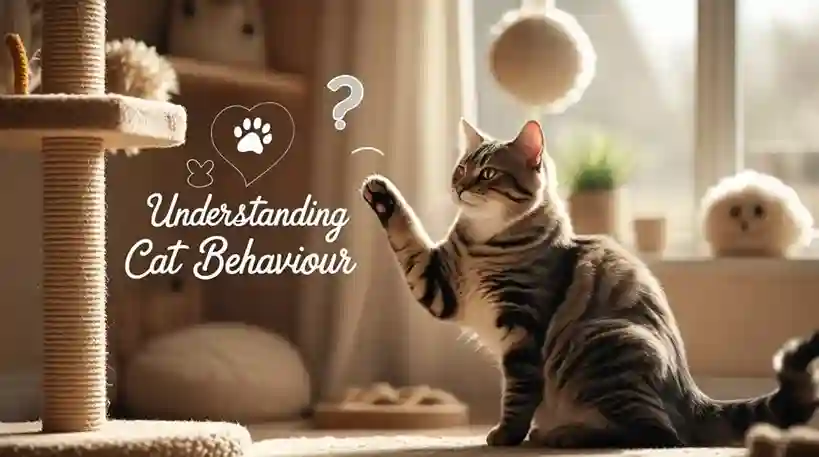
The Siamese cat, with its striking blue eyes, sleek coat, and elegant frame, is one of the most recognizable and beloved cat breeds in the world. But it’s not just their appearance that captivates; their behavior is what truly sets them apart. Known for their vocal nature, intense loyalty, and playful antics, Siamese cats are often described as “dog-like” in their devotion to their owners. If you’ve ever wondered why your Siamese cat follows you around, “talks” incessantly, or demands attention at all hours, you’re not alone. Understanding Siamese cat behavior is key to building a harmonious relationship with these charismatic felines.
In this comprehensive guide, we’ll dive deep into the fascinating world of Siamese cat behavior. From their vocalizations to their social tendencies, we’ll explore what makes these cats tick and how you can cater to their unique needs. Whether you’re a first-time Siamese owner or a seasoned cat lover, this post will equip you with the knowledge to decode your cat’s quirks and strengthen your bond. Let’s unravel the mystique of the Siamese cat together!
Table of Contents
🐾 Recommended for Pet Parents
Discover trusted resources, tips and tools for your furry friend!
Explore Free Pet Resources →The Vocal Virtuosos – Why Siamese Cats Are So Talkative
One of the most defining traits of Siamese cat behavior is their vocal nature. If you’ve ever lived with a Siamese, you know they’re not shy about expressing themselves. Their loud, raspy meows—often compared to a baby’s cry—can range from soft murmurs to demanding yowls that echo through the house. But why are Siamese cats so talkative?
The Science Behind the Meow
Siamese cats have a unique vocal structure that allows them to produce a wide range of sounds. Unlike other breeds, they use their voices to communicate a variety of emotions, from hunger to boredom to affection. Studies suggest that Siamese cats may have inherited this trait from their ancestors in Thailand, where they were revered as temple cats and possibly used their voices to alert monks or communicate with humans.
What Are They Saying?
Siamese cats are highly intelligent and use vocalization as a form of interaction. Here’s a quick breakdown of common Siamese vocalizations:
- Short, sharp meows: Often a greeting or a request for attention.
- Long, drawn-out yowls: Could indicate boredom, hunger, or discomfort.
- Chirps and trills: Playful or affectionate sounds, often directed at their favorite humans.
How to Respond to Your Talkative Siamese
Engaging with your Siamese’s vocalizations can strengthen your bond. Try mimicking their sounds or responding with gentle words to create a “conversation.” However, excessive vocalization could signal stress, illness, or unmet needs. If your Siamese is meowing more than usual, check for:
- Hunger or thirst
- Dirty litter box
- Lack of stimulation
- Health issues (consult a vet if the behavior persists)
Did you know Siamese cats are so vocal that they’ve been featured in movies like Lady and the Tramp? Their iconic voices make them unforgettable!
The Social Butterfly – Siamese Cats and Their Love for Company
Siamese cats are not your typical aloof felines. Their social nature is a cornerstone of Siamese cat behavior, making them ideal companions for those who want an interactive pet. These cats thrive on attention and form deep bonds with their owners, often following them from room to room like loyal shadows.
Why Are Siamese Cats So Social?
The Siamese breed’s history as a companion to royalty in ancient Siam (modern-day Thailand) may explain their people-oriented nature. They were bred to be close to humans, and this trait has carried over into modern Siamese cats. Unlike more independent breeds, Siamese cats crave interaction and can become lonely if left alone for long periods.
Signs Your Siamese Loves You
Siamese cats express affection in unique ways:
- Following you around: They want to be involved in everything you do.
- Purring loudly: A sign of contentment and trust.
- Head-butting or “bunting”: A way to mark you as part of their family.
- Sleeping close to you: Siamese cats often choose to cuddle up with their favorite humans.
Meeting Their Social Needs
To keep your Siamese happy, provide plenty of interaction and stimulation:
- Playtime: Engage in daily play sessions with toys like feather wands or laser pointers.
- Companionship: If you’re away often, consider adopting another pet (preferably another Siamese) to keep them company.
- Enrichment: Puzzle feeders, scratching posts, and window perches can prevent boredom.
Separation Anxiety in Siamese Cats
Due to their social nature, Siamese cats are prone to separation anxiety. Signs include excessive meowing, destructive behavior, or litter box issues when left alone. To ease their anxiety:
- Leave interactive toys or treat-dispensing puzzles.
- Play calming music or leave the TV on for background noise.
- Gradually desensitize them to your absence by starting with short departures.
Siamese cats often get along well with dogs, thanks to their sociable and outgoing personalities!
The Playful Prowler – Siamese Cats and Their Energetic Side
Siamese cats are bursting with energy and curiosity, making playtime a critical part of their daily routine. Their playful antics are a hallmark of Siamese cat behavior, and understanding this trait can help you keep your feline friend happy and healthy.
Why Are Siamese Cats So Playful?
Siamese cats have a high prey drive and a knack for problem-solving. Their intelligence and agility make them natural hunters, and they channel this instinct into play. Whether they’re chasing a toy mouse or leaping onto high surfaces, Siamese cats love to stay active.
Favorite Siamese Play Activities
Here are some activities your Siamese will love:
- Chasing toys: Feather wands, balls, or laser pointers are perfect for their hunting instincts.
- Climbing: Cat trees or shelves give them a chance to explore vertically.
- Puzzle games: Treat-dispensing toys challenge their minds and keep them engaged.
The Importance of Play for Siamese Cats
Regular play sessions do more than entertain—they help prevent behavioral issues like aggression or destructive chewing. Aim for at least 20–30 minutes of active play daily, split into multiple sessions. Play also strengthens your bond, as Siamese cats love interacting with their owners.
When Play Turns Problematic
Siamese cats can sometimes become overzealous during play, leading to scratching or biting. To manage this:
- Redirect their energy to appropriate toys.
- Avoid using your hands as “prey” to prevent accidental scratches.
- Reward calm behavior with treats or praise.
Siamese cats are known for their acrobatic leaps—some can jump up to six feet high!
The Loyal Companion – Siamese Cats and Their Devotion
Siamese cats are often compared to dogs because of their unwavering loyalty. This devotion is a key aspect of Siamese cat behavior, making them ideal for owners who want a pet that’s deeply connected to them.
Why Are Siamese Cats So Loyal?
Their loyalty likely stems from their history as companions to humans. Siamese cats form strong attachments to one or two people in the household, often choosing a “favorite” human. This bond is reinforced through daily interactions, from cuddling to playtime.
How Siamese Cats Show Loyalty
- Following you everywhere: They want to be near you at all times.
- Protective behavior: Some Siamese cats will “guard” their owners by staying close or vocalizing when strangers approach.
- Emotional sensitivity: Siamese cats often pick up on their owner’s moods and may offer comfort during stressful times.
Nurturing Your Siamese’s Loyalty
To strengthen your bond:
- Spend quality time together daily.
- Respect their boundaries—while social, Siamese cats also value their independence.
- Use positive reinforcement like treats or praise to reward affectionate behavior.
Can Siamese Cats Be Too Clingy?
While their loyalty is endearing, some Siamese cats can become overly dependent, leading to clingy behavior. If your cat demands constant attention, try:
- Providing independent activities like puzzle toys.
- Creating a routine to give them structure.
- Consulting a feline behaviorist for extreme cases.
The Quirky Side of Siamese Cat Behavior
Siamese cats are full of personality, and their quirks make them endlessly entertaining. Here are some common Siamese cat behavior quirks and what they mean:
- Obsessing over water: Many Siamese cats love playing with dripping faucets or splashing in water bowls.
- Hiding in strange places: Their curiosity leads them to squeeze into boxes, bags, or even drawers.
- Stealing objects: Siamese cats may “steal” small items like socks or jewelry, treating them like prey.
- Vocal “singing” at night: Some Siamese cats become more vocal at night, especially if they’re bored.
How to Embrace Their Quirks
Instead of discouraging these behaviors, channel them into positive outlets:
- Provide a pet-safe water fountain for water-obsessed Siamese.
- Offer plenty of hiding spots like tunnels or cardboard boxes.
- Keep small objects out of reach and provide toys to satisfy their hunting instincts.
Common Behavioral Challenges and Solutions
While Siamese cats are delightful, their strong personalities can sometimes lead to behavioral challenges. Here’s how to address common issues:
Excessive Vocalization
- Cause: Boredom, stress, or health issues.
- Solution: Increase playtime, check for health problems, and provide enrichment.
Destructive Behavior
- Cause: Lack of stimulation or anxiety.
- Solution: Offer scratching posts, interactive toys, and a consistent routine.
Aggression During Play
- Cause: Overstimulation or unmet hunting instincts.
- Solution: Use toys instead of hands, and give your cat breaks during play.
Litter Box Issues
- Cause: Stress, dirty litter box, or medical issues.
- Solution: Keep the litter box clean, try different litter types, and consult a vet.
Always rule out medical issues before assuming a behavior is purely psychological. A vet visit can save time and stress.
Tips for Living Harmoniously with Your Siamese Cat
To ensure a happy life with your Siamese, follow these tips:
- Provide mental and physical stimulation: Daily play and enrichment are non-negotiable.
- Create a routine: Siamese cats thrive on predictability.
- Offer vertical space: Cat trees or shelves satisfy their love for climbing.
- Socialize early: Expose kittens to different people and environments to build confidence.
- Be patient: Their strong personalities require understanding and adaptability.
Final Thoughts
Siamese cat behavior is a delightful blend of vocal expression, social devotion, playful energy, and quirky charm. These felines are more than just pets—they’re companions who bring joy, laughter, and a touch of mischief to every home. By understanding their unique traits and meeting their needs, you can build a rewarding relationship that lasts a lifetime.
Whether your Siamese is serenading you at midnight or curling up in your lap, their behaviors are a testament to their intelligence and affection. Embrace their quirks, engage with their chatter, and provide the love they crave. In return, you’ll have a loyal friend who makes every day a little brighter.
Have a Siamese cat story to share? Drop it in the comments below, or let us know your favorite tip for living with these extraordinary felines!
Source: Petmd