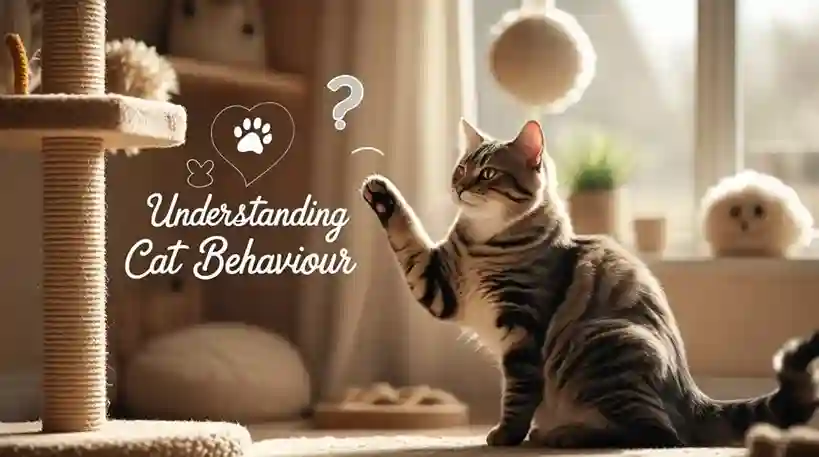
With their luxurious coats, expressive eyes, and unmistakable flat faces, Persian cats have long been the epitome of feline elegance. Originating in Persia (modern-day Iran) and gaining popularity in Victorian England, this breed has charmed cat lovers for centuries. But beyond their stunning appearance lies a personality that’s equally captivating. Persian cat behavior is a blend of regal poise, subtle quirks, and deep affection, making them both mysterious and endearing.
If you’re a Persian cat owner or simply intrigued by this breed, understanding their behavior is key to fostering a strong bond. Why do they prefer lounging over chasing toys? What makes them so selective about their environment?
This comprehensive guide dives into the heart of Persian cat behavior, offering insights, tips, and fun facts to help you decode their unique charm. Whether you’re troubleshooting a picky eater or seeking ways to connect with your fluffy companion, this post has you covered.
🐾 Recommended for Pet Parents
Discover trusted resources, tips and tools for your furry friend!
Explore Free Pet Resources →The Personality of a Persian: Regal Yet Relatable
Persian cats are often described as the royalty of the feline world, and their behavior reflects this. They carry themselves with a quiet dignity, preferring serene environments where they can reign supreme. Unlike the vocal Siamese or the boisterous Maine Coon, Persians are calm and reserved, making them ideal for owners who value tranquility.
Their affectionate side shines through in subtle ways. A Persian may not leap into your arms like an Abyssinian, but they’ll happily curl up on your lap for hours, purring softly. This breed thrives on routine and familiarity, often forming deep bonds with one or two trusted humans. However, their reserved nature means they may take time to warm up to strangers or new pets.
Interestingly, their physical traits influence their behavior. The Persian’s flat face (brachycephalic structure) can make them prone to respiratory issues, which may lead to lower energy levels. Their long, dense fur requires regular grooming, and many Persians develop a fastidious grooming habit to maintain their pristine appearance. These traits combine to create a cat that’s both high-maintenance and irresistibly charming.
Common Persian Cat Behaviors Explained
To truly understand Persian cat behavior, let’s explore the specific actions that define this breed. From their affectionate gestures to their love for lounging, here’s what makes Persians tick.
Affectionate Behaviors
Persians are deeply affectionate, but they express it quietly. You might notice your Persian gently head-butting your hand or resting their paw on your arm. These small gestures are their way of saying, “You’re my person.” They’re also notorious lap cats, often seeking out cozy spots to snuggle. Their purring is soft but constant, a sign of contentment when they’re with their favorite humans.
Reserved Tendencies
Don’t expect a Persian to thrive in chaos. These cats prefer quiet, predictable environments. Loud noises, sudden movements, or crowded spaces can make them retreat to a secluded corner. This reserved nature isn’t aloofness—it’s their way of preserving their inner calm. Providing a peaceful home is essential for their happiness.
Playfulness
While not as energetic as breeds like the Bengal, Persians do enjoy playtime in short bursts. They might bat at a feather toy or chase a laser pointer, but their play sessions are brief and deliberate. Low-energy toys, like crinkle balls or soft mice, are perfect for engaging their playful side without overwhelming them.
Grooming Obsession
Persians are meticulous self-groomers, thanks to their long, luxurious coats. You’ll often catch them licking their fur to keep it pristine. This behavior isn’t just about vanity—it’s a natural instinct to maintain hygiene. However, their grooming needs often exceed their abilities, making regular brushing a must for owners.
Vocalization
Unlike chatty breeds, Persians are relatively quiet. Their meows are soft and melodic, often reserved for specific requests like food or attention. If your Persian is vocalizing more than usual, it might be a sign of discomfort or a health issue, so pay attention to changes in their “voice.”
Territorial Instincts
Persians may not be aggressive, but they’re subtly territorial. They’ll claim favorite spots—like a sunny windowsill or a plush cat bed—and defend them with a quiet stare or a gentle swat. Introducing new pets or rearranging furniture can disrupt their sense of ownership, so make changes gradually.
What Influences Persian Cat Behavior?
Persian cat behavior is shaped by a mix of genetics, environment, socialization, and health. Understanding these factors can help you create an ideal setting for your feline friend.
Genetics
As a purebred breed, Persians inherit traits that define their temperament. Their calm demeanor and preference for low-energy activities are hardwired, making them less likely to engage in high-energy antics. Selective breeding has also amplified their affectionate nature, ensuring they bond closely with their owners.
Environment
A Persian’s surroundings play a huge role in their behavior. A cluttered, noisy home can stress them out, leading to withdrawal or irritability. Conversely, a calm, cozy space with plenty of soft surfaces (think plush blankets and cat beds) brings out their best. Consider adding vertical spaces like cat trees, as Persians love lounging in elevated spots.
Socialization
Early socialization is critical for Persians. Kittens exposed to gentle handling, other pets, and varied environments are more likely to grow into confident adults. If your Persian seems shy, it might stem from limited socialization during their first few months. Patience and gradual exposure can help them become more comfortable.
Health
Persians are prone to health issues like polycystic kidney disease (PKD) and respiratory problems due to their flat faces. These conditions can affect their energy levels, appetite, and mood. Regular vet checkups and a proactive approach to grooming (to prevent matting and hairballs) are essential for keeping them happy and healthy.
Challenges of Persian Cat Behavior (and How to Address Them)
While Persians are delightful companions, their behavior can present challenges. Here’s how to tackle common issues.
Shyness or Aloofness
Persians may seem standoffish, especially with new people or environments. To build trust, avoid forcing interactions. Instead, let them approach you on their terms. Offer treats, speak softly, and create a safe space where they can retreat if overwhelmed.
Grooming Resistance
Many Persians dislike grooming sessions, despite needing them daily. Make brushing a positive experience by using a gentle comb and rewarding them with treats. Start with short sessions and gradually increase the duration as they grow accustomed.
Picky Eating Habits
Persians are notorious for being finicky eaters. If your cat turns up their nose at food, try offering a variety of textures (wet, dry, or pate) and flavors. Warming wet food slightly can enhance its appeal. Consult a vet if picky eating persists, as it could indicate dental issues.
Sensitivity to Change
Persians thrive on routine, so changes like moving homes or introducing a new pet can unsettle them. Ease transitions by maintaining familiar items (like their bed or toys) and introducing changes gradually. A pheromone diffuser can also help reduce stress.
Tips for Bonding with Your Persian Cat
Building a strong bond with your Persian requires patience and an understanding of their unique needs. Here are practical tips to deepen your connection.
- Create a Calm Space: Set up a quiet corner with a cozy bed, soft blankets, and a few toys. Persians love feeling secure in their environment.
- Engage in Low-Energy Play: Use toys like feather wands or laser pointers for short, gentle play sessions. Avoid overwhelming them with high-energy activities.
- Learn Their Body Language: A slow blink from a Persian is a sign of trust—return it to show affection. A tucked tail or flattened ears indicate discomfort, so give them space.
- Stick to a Routine: Persians feel secure with predictability. Feed them, groom them, and play with them at consistent times each day.
Fun Facts About Persian Cat Behavior
Persians are full of surprises! Here are some quirky facts about their behavior:
- High-Perch Royalty: Persians love lounging in elevated spots, like the back of a couch or a cat tree, to survey their “kingdom.”
- Pop Culture Icons: Their regal demeanor has made them stars in films and ads, from James Bond’s cat in Spectre to the iconic Fancy Feast mascot.
- Nap Champions: Persians can sleep up to 20 hours a day, perfecting the art of the luxurious catnap.
- Selective Socialites: They often choose one or two favorite humans, treating others with polite indifference.
Conclusion: Celebrating the Persian’s Unique Charm
Persian cat behavior is a delightful mix of elegance, affection, and subtle quirks. From their love of cozy laps to their meticulous grooming habits, these felines bring a unique charm to every home. By understanding their needs—calm environments, gentle play, and regular care—you can unlock the full depth of their personality. Whether you’re a seasoned Persian owner or considering adopting one, embracing their regal yet relatable nature is the key to a rewarding bond.
Have a Persian cat story to share? Drop it in the comments below, or check out our other posts for more cat care tips!