
When your cat turns up their nose at dinner or seems to be losing weight no matter what you try, the solution often lies in a strategic dietary change. High calorie wet cat food can be the powerful tool you need, combining intense palatability with the dense nutrition essential for weight gain and recovery.
However, not all wet foods are created equal. Understanding which formulas deliver the right balance of calories, protein, and moisture is key to making a choice that truly supports your cat’s health.
In this specialized guide, created in collaboration with Dr. Allona Jackson, DVM, we focus specifically on selecting and using the most effective high-calorie wet foods. For a broader understanding of feline weight management, including dry food options and a complete step-by-step weight gain plan, be sure to reference our central pillar resource: High Calorie Cat Food: A Vet’s Guide for Safe Weight Gain.
Let’s explore how the right wet food can make all the difference.
Key Takeaways: Choosing High Calorie Wet Cat Food
Before diving into specific products, understanding these core principles will help you make the best choice for your cat’s unique needs.
- 💧 Hydration & Nutrition: Wet food provides essential moisture along with concentrated calories, supporting both kidney health and weight gain simultaneously.
- 🍗 Protein is Priority: Look for named animal protein (like chicken or salmon) as the first ingredient to support healthy muscle mass development, not just fat.
- 🔥 Check Calorie Content: Compare kilocalories per can – aim for formulas with 100+ kcal per 3oz serving for effective weight management.
- 😋 Palatability Matters: Texture and aroma are crucial for convincing picky eaters. Mousse and pâté textures are often most appealing to cats with reduced appetites.
Benefits of High Calorie Wet Cat Food
Understanding why high-calorie wet food is such an effective tool can help you make an informed decision. Its benefits are multi-faceted, addressing several common challenges faced by underweight cats or those with poor appetites.
- Superior Hydration: Cats have a low thirst drive and are designed to get most of their water from food. Wet food’s high moisture content (around 78%) supports kidney function, prevents urinary tract issues, and aids digestion, which is especially crucial for a body under nutritional stress.
- Enhanced Palatability & Smell: The strong, enticing aroma and varied textures (like pâté, mousse, or shreds in gravy) are far more appealing to a cat’s senses than dry kibble. This is a game-changer for picky eaters or cats whose sense of smell has diminished due to age or illness.
- Ease of Eating: The soft texture requires minimal chewing, making it ideal for kittens, senior cats, or those suffering from dental disease, mouth pain, or recovering from surgery.
- Concentrated Calorie Delivery: These formulas are specifically designed to pack a high number of calories into a small serving. This means a cat doesn’t need to eat a large volume of food to meet their energy needs, which is perfect for cats with small appetites.
What to Look For in High Calorie Wet Cat Food
Navigating the pet food aisle can be overwhelming. To ensure you’re selecting a truly high-quality, high-calorie option, focus on these key elements when reading the label and nutritional information.
- Calorie Density (The Most Important Metric): This is non-negotiable for weight gain. Look for the “kcal/kg” and “kcal/can” information. For a true high-calorie wet food, aim for a minimum of 100 kcal per 3-ounce (85g) can. Higher is better for cats that need significant weight gain.
- High-Quality Protein Source: The first ingredient should always be a named animal protein, such as “deboned chicken,” “salmon,” or “turkey.” This ensures the food supports lean muscle growth, which is the goal of healthy weight gain. Avoid foods where the first ingredient is a by-product or grain.
- Adequate Fat Content: Fat is the most concentrated source of energy. Look for a minimum of 5% fat content (or higher, as listed on the guaranteed analysis). Fat also carries flavor, making the food more palatable.
- Appealing Texture: Consider your cat’s preferences. Pâté is often easiest to eat and can be mixed with water for cats that need extra hydration. Mousse or velvet textures are incredibly easy to lap up and are highly palatable. Shredded options in gravy can entice some picky eaters.
- Limited Carbohydrates and Fillers: Cats are obligate carnivores and don’t need high levels of carbs. Avoid foods where corn, wheat, or soy feature prominently in the ingredient list, as these provide empty calories instead of quality nutrition.
Our Top Picks: Best High Calorie Wet Cat Foods
To help you navigate the options, we’ve compiled a list of highly-rated, high-calorie wet cat foods. Our selections are based on calorie density, ingredient quality, and specific needs, and have been reviewed by Dr. Jackson for appropriateness.
1. Best Overall & Veterinary Strength: Hill’s Prescription Diet a/d Urgent Care

- Key Features: Specifically formulated for critical recovery and nutritional support, this pâté is ultra-palatable and highly digestible.
- Calorie Content: Approximately 155 kcal per 5.8 oz can.
- Pros: Extremely high in calories and protein, supports wound healing.
- Cons: Requires a veterinarian’s prescription.
- Best For: Post-surgery recovery, serious illness, or severe weight loss.
2. Best for Picky Eaters: Tiki Cat Velvet Mousse

- Key Features: A super-smooth, irresistible mousse texture with a strong aroma that entices even the most finicky cats.
- Calorie Content: Approximately 78 kcal per 1.4 oz pouch.
- Pros: Extremely palatable, easy to eat, no carrageenan.
- Cons: Higher cost per calorie.
- Best For: Convincing picky eaters to eat and providing a hydrating, calorie-dense meal.
3. Best for Senior Cats: Purina Pro Plan Senior Classic Pate

- Key Features: A soft pâté with real chicken or tuna, fortified with essential nutrients for senior health, including taurine.
- Calorie Content: Approximately 90 kcal per 3 oz can.
- Pros: Easy on older teeth, high protein to combat muscle loss.
- Cons: Not the absolute highest in calories, but provides an excellent balance for senior needs.
- Best For: Senior cats who need a palatable, nutrient-rich wet food.
4. Best Grain-Free Option:

- Key Features: A high-protein, grain-free pâté made with meat as the first ingredient and no artificial preservatives.
- Calorie Content: Approximately 110 kcal per 3 oz can.
- Pros: High-quality protein sources, no fillers like corn or wheat.
- Cons: Some cats may not like the specific protein blend.
- Best For: Cats with grain sensitivities or owners seeking a natural, high-protein diet.
5. Best Budget-Friendly Option: Friskies Classic Pate
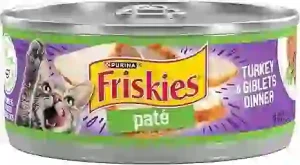
- Key Features: A widely available and affordable pâté that provides solid calorie content without a high price tag.
- Calorie Content: Approximately 85-90 kcal per 3 oz can.
- Pros: Very affordable, readily available, most cats find it palatable.
- Cons: Contains by-products and artificial colors.
- Best For: Feeding multiple cats or for long-term weight maintenance on a budget.
Feeding Strategies for Maximum Weight Gain
Selecting the right high-calorie wet food is only half the battle. How you feed it is equally important to ensure your cat consumes enough calories to gain weight effectively and safely.
- Feed Small, Frequent Meals: Instead of one or two large meals, offer 4-6 smaller portions throughout the day. This prevents your cat from feeling overwhelmed and helps maintain stable energy levels, encouraging a higher total daily intake. A cat with a small stomach capacity will eat more over 24 hours with this approach.
- Gently Warm the Food: A cat’s appetite is driven by smell. Gently warming the wet food to body temperature (around 100°F or 38°C) enhances its aroma, making it far more enticing. Always test the temperature on your wrist to ensure it’s not too hot.
- Use Appetizing Food Toppers: Boost palatability and add extra calories by sprinkling a “flavor booster” over their food. A probiotic supplement like Purina FortiFlora is highly palatable for most cats and supports digestive health. Other excellent toppers include:
- Bonito fish flakes
- A drizzle of low-sodium chicken broth
- A dollop of lickable treats
- Transition Foods Slowly: When introducing a new high-calorie food, mix it with their current food over 5-7 days, gradually increasing the proportion of the new food. This slow transition helps prevent digestive upset, which can derail weight gain efforts.
Special Considerations for Different Needs
A one-size-fits-all approach doesn’t work with feline nutrition. Your cat’s life stage and health status will determine the best type of high-calorie wet food and feeding strategy.
- For Kittens: Growing kittens have immense calorie and nutrient demands. Look for kitten-specific formulas like Royal Canin Mother & Babycat, which are extra calorie-dense and packed with nutrients like DHA to support brain and vision development. Their ultra-soft mousse texture is also perfect for weaning.
- For Senior Cats: Older cats often have declining senses of smell and taste. Choose highly aromatic, pâté-style foods that are easy to chew. Look for formulas with added supplements, such as:
- Omega-3 fatty acids (for joint and kidney health)
- Taurine (for heart health)
- Antioxidants (for immune support)
- For Post-Surgical Recovery: After surgery, a cat needs easy-to-digest, high-energy food. Easy-to-lap textures like mousses, broths, and gravies are ideal as they require minimal effort. Veterinary prescription recovery diets are the gold standard here.
- For Cats with Medical Conditions: Cats with conditions like chronic kidney disease, diabetes, or food allergies require specialized therapeutic diets. These must be prescribed by your veterinarian to ensure they manage the condition while supporting healthy weight. Never use an over-the-counter high-calorie food for a cat with a diagnosed medical condition without veterinary approval.
FAQs About High Calorie Wet Cat Food
What is the highest calorie wet cat food available?
The highest calorie options are typically veterinary-prescription recovery diets, such as Hill’s Prescription Diet a/d or Royal Canin Recovery RS. These can contain over 150 kcal per 5.8 oz can. For over-the-counter options, look for ultra-dense kitten foods or high-performance formulas, but always consult your vet before choosing.
Is wet or dry food better for weight gain?
Wet food is often superior for weight gain because it’s generally more palatable, helping picky eaters consume more calories. It also provides essential hydration. However, some high-calorie dry foods can be very effective when mixed with wet food to create a calorie-dense slurry.
How much high-calorie wet food should I feed my cat for weight gain?
The amount depends on your cat’s target weight and the food’s calorie density. Your veterinarian can calculate the exact daily caloric needs. Generally, you’ll divide this total into 4-6 small meals throughout the day. For example, a cat needing 250 calories daily would eat approximately five 3 oz cans of a 100 kcal/can food.
Conclusion
Choosing the right high-calorie wet cat food is a powerful step in helping your feline companion achieve and maintain a healthy weight. By focusing on calorie-dense, protein-rich formulas with appealing textures and aromas, you can effectively support cats who are underweight, recovering, or simply picky eaters.
Remember that success comes from combining the right nutrition with smart feeding strategies. Small, frequent meals, proper food warming, and strategic toppers can make all the difference in ensuring your cat gets the calories they need.
For a comprehensive understanding of feline weight management—including dry food options, detailed transition plans, and monitoring strategies—we encourage you to explore our complete pillar resource: High Calorie Cat Food: A Vet’s Guide for Safe Weight Gain.
Always work closely with your veterinarian to develop the best nutritional plan for your cat’s individual needs.
Sources
To ensure the accuracy and credibility of this guide, it was created using evidence-based information and reviewed by a veterinary professional. The content was cross-referenced with the following authoritative sources:
- World Small Animal Veterinary Association (WSAVA).
- American Animal Hospital Association (AAHA).
- Cornell Feline Health Center.
- International Cat Care.
- Cummings Veterinary Medical Center at Tufts University.
Disclaimer: This content is for informational purposes only and is not a substitute for professional veterinary advice, diagnosis, or treatment. Always seek the advice of your veterinarian with any questions you may have regarding your cat’s health. Never disregard professional veterinary advice or delay in seeking it because of something you have read here. As an Amazon Associate, we earn from qualifying purchases.


