
Is your cat looking a little too thin? If you’re concerned about an underweight cat, it’s crucial to understand the root causes, which we outline in this guide. Watching a feline friend struggle to maintain a healthy weight can be worrying for any pet parent. You might be searching for a solution, and high calorie cat food is often the first place to turn. But is it the right choice for your cat’s specific situation?
Navigating the world of feline nutrition for weight gain can be complex. It’s not just about more calories—it’s about the right calories, and more importantly, understanding the underlying cause of the weight loss.
In this vet-reviewed guide, Dr. Allona Jackson, DVM, breaks down everything you need to know. We’ll explore the legitimate reasons for using high calorie cat food, provide our top vet-reviewed picks, and outline a safe, step-by-step approach to help your cat achieve a healthy weight.
🐾 Recommended for Pet Parents
Discover trusted resources, tips and tools for your furry friend!
Explore Free Pet Resources →Key Takeaways: High Calorie Cat Food
🩺 Always Vet First
Unexplained weight loss can signal a serious health issue. Consult your veterinarian for a diagnosis before starting any new diet.
🎯 More Than Just Calories
The best options are high in both calories and high-quality protein to support healthy muscle gain, not just fat.
🐾 Transition Slowly
Avoid stomach upset by gradually mixing the new high-calorie food with your cat’s old food over 7-10 days.
🥫 Explore All Options
Don’t forget strategies like using kitten food, high-calorie toppers, or vet-recommended supplements for an extra boost.
What is High Calorie Cat Food? (And When Is It Necessary?)
High calorie cat food is precisely what it sounds like: a nutritionally dense formula designed to pack more calories—specifically from fats and high-quality proteins—into a smaller serving size than standard adult maintenance cat food. This allows an underweight cat to consume sufficient energy without needing to eat a large volume of food, which is the primary goal of using a high calorie cat food for weight gain.
It is crucial to understand that these foods are therapeutic tools, not everyday diets for healthy cats. Feeding them to a cat at an ideal weight can quickly lead to unhealthy obesity and related health problems.
Common Reasons a Cat Might Need High Calorie Food
According to Dr. Jackson, “A cat may require a high-calorie diet when their energy expenditure exceeds their caloric intake. This is never a decision to make lightly.” Here are the most common scenarios where your veterinarian might recommend one:
- Unexplained Weight Loss: A visible rib cage, prominent spine, or loss of muscle mass are clear signs a cat is calorically deficient.
- Recovery from Surgery or Illness: Healing is an energy-intensive process. High-calorie food supports recovery when a cat’s strength and appetite are low.
- Senior Cat Losing Weight: Older cats often experience a natural decline in appetite and may have difficulty absorbing nutrients, leading to weight loss.
- Managing Chronic Conditions: Diseases like feline hyperthyroidism accelerate metabolism, burning calories at an excessive rate. Certain cancers and kidney disease can also cause muscle wasting.
- Picky Eaters & “Failure to Thrive”: Some cats are notoriously finicky and simply don’t eat enough. Orphaned kittens and cats with a history of neglect also fall into this category. If this is your immediate concern, our guide on what to do with a kitten not eating can provide urgent next steps.
The #1 Rule: Always Consult Your Veterinarian First
Before you consider any high calorie cat food, schedule a comprehensive examination with your veterinarian. This is the most critical step in the entire process, and it cannot be emphasized enough. Weight loss in cats is not a diagnosis—it is a symptom of an underlying issue. This is especially critical for puzzling cases like a cat losing weight but eating, which can signal a serious illness that requires specific treatment.
Dr. Jackson explains: “Prescribing a high-calorie diet without understanding why a cat is underweight is like putting a bandage on a broken leg without setting the bone. We need to identify the root cause to provide proper treatment.”
Here’s why a veterinary consultation is essential:
- Rule Out Serious Medical Conditions: Many health problems cause weight loss, including hyperthyroidism, diabetes, chronic kidney disease, intestinal parasites, dental disease, and even cancer. A veterinarian will perform diagnostic tests to either identify or rule out these conditions.
- Accurate Diagnosis and Treatment Plan: Simply adding more calories does not address the primary medical issue. A proper diagnosis ensures your cat receives the correct treatment, which may include prescription medication, a specific therapeutic diet, or other interventions alongside nutritional support.
- Professional Weight Assessment: Your vet can objectively evaluate your cat’s body condition score (BCS) and determine a healthy target weight. They can also calculate the exact daily caloric intake your cat needs to gain weight safely and effectively, preventing overfeeding.
- Access to Prescription-Strength Options: For critical cases, veterinarians can prescribe specialized, high-calorie recovery diets that are significantly more nutrient-dense than anything available over-the-counter. These are often crucial for cats in recovery or with severe medical needs.
Attempting to diagnose and treat your cat’s weight loss on your own can delay critical care and allow a manageable condition to become severe. Your veterinarian is your partner in ensuring your cat’s health and well-being.
What to Look For in a High Calorie Cat Food
Once your veterinarian has determined that a high calorie diet is appropriate for your cat, selecting the right product is crucial. Not all high-calorie foods are created equal. The goal is to provide dense, high-quality nutrition that supports healthy weight gain and overall well-being.
Here are the key factors to evaluate, based on veterinary nutrition principles:
1. Calorie Density (kcal per cup or can)
This is the most fundamental metric. Look for the “Calorie Content” statement on the package, typically expressed as kilocalories per kilogram (kcal/kg) and per cup or can (kcal/cup/can). Compare different products to find the most energy-dense options. For weight gain, you generally want a food that is significantly higher in calories than a standard maintenance adult diet.
2. High-Quality Protein as the First Ingredient
Weight gain should be about building lean muscle mass, not just accumulating fat. Look for a named animal protein source (like “deboned chicken,” “salmon,” or “lamb”) as the first ingredient. Protein is essential for repairing tissues and maintaining muscle, especially for recovering or senior cats.
3. High Fat Content
Fat is the most concentrated source of energy, providing more than twice the calories per gram than protein or carbohydrates. A higher fat content is a primary driver of calorie density and also improves palatability, encouraging a poor appetite to eat.
4. Overall Digestibility
If a cat cannot properly digest and absorb the food, the calorie count is irrelevant. Look for high-quality ingredients and formulas designed for easy digestion. Signs of good digestibility include firm, well-formed stools and the absence of vomiting or gas after eating.
5. Wet vs. Dry Food Considerations
- Wet Food: Often more palatable and easier to eat for cats with dental issues. Its high moisture content also helps with hydration but can mean a slightly lower calorie density by volume compared to dry food.
- Dry Food: Typically more calorie-dense by volume, making it efficient for packing in calories. However, it is less hydrating and may be less appealing to some cats.
Your choice may involve a combination of both, using a high-calorie wet food as a topper. For cats that need extra hydration or are particularly picky, a dedicated high calorie wet cat food can be an excellent solution, which we explore in a separate article.
Our Top Picks: Best High Calorie Cat Foods Reviewed
To help you navigate the options, we’ve compiled a list of highly-rated, high-calorie cat foods. Our selections are based on calorie density, ingredient quality, and specific life-stage needs, and have been reviewed by Dr. Jackson for appropriateness. Always remember that the “best” food is the one your cat will reliably eat and that meets their specific health requirements.
1. Best Overall High Calorie Cat Food: Blue Buffalo Wilderness High Protein Dry Food
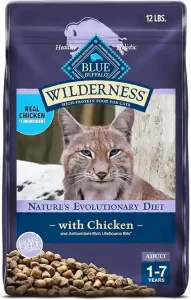
- Key Features: High-protein formula with real chicken as the first ingredient, grain-free, and packed with antioxidants and LifeSource Bits.
- Calorie Content: Approximately 409 kcal per 1/2 cup (varies by recipe).
- Pros: High protein supports muscle mass, contains no poultry by-product meals, and is widely available.
- Cons: Some cats may be sensitive to the high protein and fat content.
- Best For: Adult cats needing a significant calorie and protein boost for healthy weight gain.
2. Best High Calorie Wet Cat Food: Tiki Cat Velvet Mousse with Chicken & Salmon

- Key Features: A super-smooth, irresistible mousse texture, high in moisture and protein, with no carrageenan.
- Calorie Content: Approximately 78 kcal per 1.4 oz pouch.
- Pros: Extremely palatable for picky eaters, easy to eat for cats with dental issues, and highly digestible.
- Cons: Higher cost per calorie compared to dry food.
- Best For: Enticing finicky felines and providing a hydrating, calorie-dense meal topper or standalone meal.
3. Best for Kittens & Young Cats: Royal Canin Mother & Babycat Ultra-Soft Mousse in Sauce
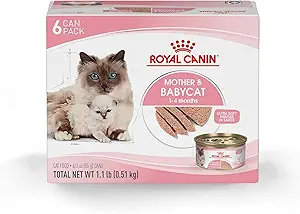
- Key Features: Specifically formulated for the rapid growth of kittens and the nursing needs of mother cats. The ultra-soft texture is easy for weaning kittens to lap up.
- Calorie Content: Approximately 109 kcal per 3 oz can.
- Pros: Highly digestible, supports immune system development with antioxidants, and is energetically dense for small stomachs.
- Cons: Specifically tailored for kittens up to 4 months, so it’s not a long-term solution for adults.
- Best For: Orphaned kittens, underweight young cats, and weaning litters that need an energy-dense, easy-to-eat food.
4. Best for Seniors: Purina Pro Plan Senior Classic Pate

- Key Features: A pate-style wet food with real chicken or tuna, fortified with essential nutrients for senior cats, including taurine for heart health.
- Calorie Content: Approximately 90 kcal per 3 oz can.
- Pros: Soft texture is easy on older teeth, high protein to help combat age-related muscle loss, and highly palatable.
- Cons: Not the absolute highest in calories, but provides a excellent balance for senior health needs.
- Best For: Senior cats who need a palatable, nutrient-rich wet food to maintain a healthy weight.
5. Best Veterinary-Prescription Option: Hill’s Prescription Diet a/d Urgent Care

- Key Features: A therapeutic, ultra-high-calorie recovery diet designed for critical care. It is often recommended post-surgery, during illness, or in anorexic cats.
- Calorie Content: Approximately 155 kcal per 5.8 oz can. Extremely dense.
- Pros: Highly digestible and packed with protein and energy to support tissue repair and strength.
- Cons: Requires a veterinarian’s prescription and is significantly more expensive than over-the-counter options.
- Best For: Cats recovering from major surgery, serious illness, or trauma that require intensive nutritional support under veterinary supervision.
How to Safely Transition Your Cat to a New Food
Abruptly switching your cat’s food is a common cause of digestive upset, including vomiting, diarrhea, or a refusal to eat. A slow and gradual transition over 7-10 days is essential to allow your cat’s digestive system to adapt to the new high calorie diet, ensuring they actually get the nutritional benefits.
Follow this step-by-step guide for a smooth switch:
Days 1-3: Mix 25% of the new high calorie food with 75% of your cat’s current food.
Days 4-6: Increase to a 50/50 blend of the new and old food.
Days 7-9: Change the mixture to 75% new food and 25% old food.
Day 10: You can now offer 100% of the new high calorie cat food.
Tips for a Successful Transition:
- Go Slower if Needed: If your cat shows any signs of a sensitive stomach during the process, slow down. Extend each phase by a few extra days.
- Patience with Picky Eaters: For a resistant cat, try warming the food to enhance its aroma, or add a small amount of a low-sodium chicken broth or a favorite food topper to the new mixture.
- Maintain Routine: Feed your cat at the same times and in the same quiet location to provide a sense of security and normalcy.
- Consult Your Vet: If your cat consistently refuses the new food or experiences prolonged digestive issues, contact your veterinarian. They can provide tailored advice and rule out other causes.
Beyond Food: Other Strategies to Help Your Cat Gain Weight
While switching to a high calorie cat food is a primary strategy, knowing how to get a cat to gain weight involves a multi-faceted approach. It’s often most effective when combined with other strategies, like the ones listed below. If your cat is a very picky eater or needs an extra caloric boost, consider these veterinarian-recommended strategies.
1. Use Appetizing Food Toppers and Gravies
Adding a small amount of a high-value food can entice a picky eater to consume their entire meal.
- Examples: Sprinkle a dusting of pure bonito fish flakes, add a spoonful of plain, cooked chicken or turkey, or pour a cat-safe gravy or broth over their kibble.
- Benefit: Enhances palatability and provides a low-effort way to add extra calories and moisture.
2. Leverage the Benefits of Kitten Food
High-quality kitten food is specifically formulated to be energy-dense to support rapid growth.
- Application: You can mix a small amount of kitten food (wet or dry) into your adult cat’s regular high-calorie meal for a significant caloric boost.
- Important Note: This should be a short-term strategy for weight gain. Consult your vet on duration, as kitten food is not nutritionally balanced for long-term adult cat maintenance.
3. Offer Frequent, Smaller Meals
Instead of one or two large meals, offer smaller portions more frequently throughout the day.
- Benefit: This can be less overwhelming for a cat with a small appetite and helps maintain stable energy levels, encouraging a higher total daily intake.
4. Consider High-Calorie Nutritional Gels & Pastes
These are specifically designed as calorie-dense supplements for convalescing or underweight pets.
- Examples: Products like Nutri-Cal® for Cats.
- Benefit: They provide a highly concentrated source of calories, fats, and vitamins and can be fed directly or smeared on a paw for the cat to lick off. Always consult your veterinarian before introducing a new supplement.
FAQs About High Calorie Cat Food
What is the highest calorie cat food available?
The highest calorie options are typically veterinary-prescription recovery diets, such as Hill’s Prescription Diet a/d or Royal Canin Recovery. These are formulated for critical nutritional support and can contain over 150 kcal per 5.5 oz can. For over-the-counter options, look for ultra-dense kitten foods or high-performance formulas, but always consult your vet before choosing.
Can I give high calorie food to a healthy cat?
No, you should not. Feeding high calorie food to a cat that is already at a healthy weight will lead to unhealthy weight gain and obesity, which can cause serious health problems like diabetes, arthritis, and heart disease. These foods are therapeutic tools for specific medical situations.
How can I fatten up my cat safely?
Safely helping a cat gain weight requires a multi-step approach:
- Visit your veterinarian to rule out underlying medical issues.
- Transition to a high-quality, high-calorie food as recommended by your vet.
- Feed small, frequent meals to encourage eating.
- Use food toppers or kitten food for an extra caloric boost.
The process should be gradual, focusing on gaining lean muscle mass, not just fat.
How long does it take for an underweight cat to gain weight?
Healthy weight gain is a slow process. A safe goal is for a cat to gain about 1-2% of their body weight per week. For a 10-pound (4.5 kg) cat, this would be roughly 0.1-0.2 pounds per week. Your veterinarian can help you set a target weight and timeline, and regular weigh-ins are recommended to monitor progress.
Conclusion
Helping your cat achieve and maintain a healthy weight is a journey that requires patience, care, and the right information. Remember, the path to healthy weight gain begins and ends with professional veterinary guidance. Unexplained weight loss is always a signal to seek medical advice, and a high calorie diet is a powerful tool that should be used under supervision.
By choosing the right weight gain cat food, transitioning slowly, and employing supportive strategies like frequent meals and palatable toppers, you can provide your feline companion with the nutritional support they need. The goal is not just a higher number on the scale, but a happier, more energetic, and healthier cat.
For ongoing care and tailored advice, always maintain a strong partnership with your veterinarian. They are your best resource for ensuring your cat’s long-term health and well-being.
Sources and References
To ensure the accuracy and credibility of this guide, it was created using evidence-based information and reviewed by a veterinary professional. The content was also cross-referenced with the following authoritative sources:
- American Animal Hospital Association (AAHA). “Nutritional Assessment Guidelines.”
- Cornell Feline Health Center. “Feline Hyperthyroidism.”
- World Small Animal Veterinary Association (WSAVA). “Global Nutrition Guidelines.”
- Cailin R. Heinze, VMD, MS, DACVIM (Nutrition). Board-certified veterinary nutritionist. (General principles of small animal clinical nutrition referenced).
- Cummings Veterinary Medical Center at Tufts University. “Clinical Nutrition Service.”
Disclaimer: This content is for informational purposes only and is not veterinary advice. Always consult your veterinarian for diagnosis and treatment plans for your pet’s specific needs. We may earn a commission from links on this page at no extra cost to you. This supports our site and allows us to continue providing research-based content.


