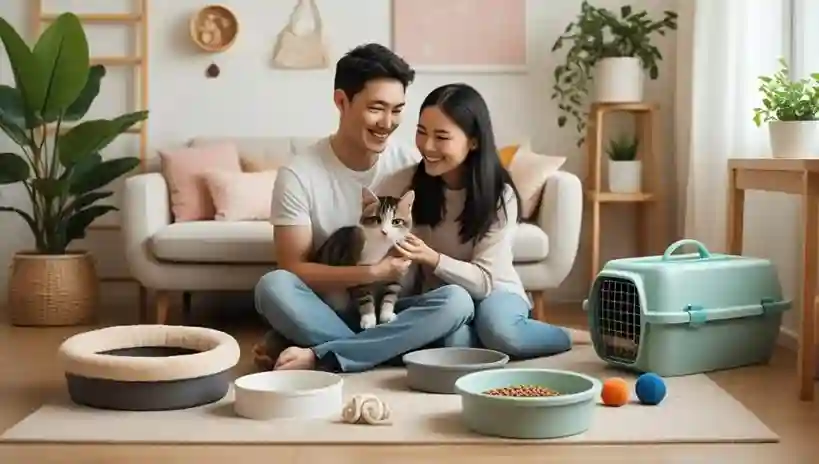
The first time I heard the tiny mews of the neonatal kittens I was fostering, I knew my home would never be the same. I had set up a cozy corner in my spare room, and these two fragile lives were now in my hands. That was the start of my journey fostering cats, and it remains one of the most rewarding decisions I’ve ever made.
Fostering is the act of providing a temporary, safe haven for a cat in need, and it’s a cornerstone of the modern animal rescue system. It’s the bridge between a shelter cage and a loving, permanent home.
In this guide, we’ve combined insights from seasoned cat foster parents and rescue organization protocols to give you the most trustworthy advice. Whether you’re looking into fostering cats in Austin or anywhere else, the first steps are the same.
🐾 Recommended for Pet Parents
Discover trusted resources, tips and tools for your furry friend!
Explore Free Pet Resources →Why Foster? The Lifesaving Power of Fostering Cats
The impact of fostering cats ripples throughout the entire rescue community. When you open your home, you achieve three incredible things at once:
You Save Direct Lives:
The cat you take in is saved from the stress of a shelter environment. For vulnerable animals like kittens without a mother, a cat recovering from surgery, or a shy feline overwhelmed by the kennel noise, fostering cats is literally a lifesaver.
You Free Up Shelter Resources:
By taking a cat into your home, you free up a kennel, food, and staff time at the shelter. This allows them to rescue another cat from a dire situation. According to the ASPCA, approximately 3.2 million cats enter U.S. shelters every year. Foster homes are critical to managing this flow.
You Transform Your Own Life:
The experience of fostering cats is profoundly fulfilling. You get the joy of caring for a cat without the long-term financial commitment of adoption, and you get the unparalleled reward of seeing a once-scared or sick animal blossom and find their forever family.
Are You a Good Fit? A Self-Assessment for Potential Cat Foster Parents
Successful fostering cats starts with honest self-reflection. It’s a joyful commitment, but it’s still a commitment. Ask yourself these questions:
Do you have the space? You don’t need a mansion. A spare bathroom, a quiet home office, or even a large walk-in closet can be a perfect “foster room” for fostering cats. This safe space is crucial for their initial decompression.
Do you have the time? Cats are relatively independent, but fostering cats requires daily feeding, litter box cleaning, social interaction, and potentially medication administration or bottle feeding for neonates.
Is your household on board? Ensure all family members, including resident pets, are prepared for the new arrival. A gradual, proper introduction process is key to success.
Your Step-by-Step Guide to Start Fostering Cats
Ready to take the plunge? Here is your actionable checklist to begin fostering cats.
Find a Local Rescue: This is your most important first step. Search for “cat rescue near me” or “[Your City] animal shelter foster program.” Organizations like the Best Friends Animal Society have nationwide networks you can explore.
Submit an Application: The application for fostering cats typically asks about your experience, home environment, and other pets. Be honest! The goal is to match you with a cat that fits your lifestyle.
Prepare for a Home Visit: Many rescues conduct a brief home visit to ensure a safe environment (e.g., secured screens, no obvious hazards). Don’t stress; they’re not judging your decor.
Get Matched! Once approved, the rescue will contact you when a cat matches your profile. You can always say “not yet” if the timing isn’t right.
The Essential Supplies for Fostering Cats (Checklist)
Before you bring your first foster home, you’ll need some basic supplies. While many rescues provide food and medical care, the day-to-day items are often the foster’s responsibility. Here’s what you need for fostering cats successfully:
Food and Water Bowls: Stainless steel or ceramic are best as they are easy to clean and don’t harbor bacteria.
A Cat Carrier: This is non-negotiable for safe transport. The AmazonBasics Two-Door Top-Load Cat and Dog Kennel is a top-rated, affordable, and secure option that makes vet trips stress-free.
A Litter Box and Litter: Start with one more box than the number of cats. A simple, uncovered box is often best for nervous fosters.
A Cozy Bed: A simple, soft bed gives them a sense of security. Look for one that’s machine washable for easy cleanup between fosters.
Read More: Cat Eyes Watering: Causes and Care
Hiding Spots: Don’t underestimate a simple cardboard box! It provides a crucial safe space for a scared cat. The Cat Hide & Seek Perch & Scratching Pad is a fantastic 2-in-1 product that offers both a hiding spot and a scratch-friendly surface.
Toys: Play is essential for socialization and building confidence. A wand toy, like the GoCat Da Bird Teaser Wand, is perfect as it allows for interactive play while keeping a safe distance until the cat is comfortable with you.
Scratching Post: This protects your furniture and fulfills a natural instinct.
The Foster Journey: From Intake to Adoption
The day-to-day experience of fostering cats is a journey of growth—for both you and the cat.
The First 72 Hours: The Decompression Period
When your foster cat first arrives, give them space. Place them in their prepared room with food, water, and a litter box, and let them explore. Don’t force interaction. They may hide, not eat much, or seem fearful. This is completely normal. The “Rule of 3” is a helpful guideline: 3 days to decompress, 3 weeks to learn your routines, and 3 months to feel at home.
Ongoing Care & Observation
Your key role as a cat foster parent is to be a keen observer. You are the rescue’s eyes and ears. Take notes on:
Appetite and Hydration: Is the cat eating and drinking normally?
Litter Box Habits: Any signs of diarrhea or constipation?
Behavior & Socialization: Is the cat curious? Playful? Shy? Do they enjoy pets? This information is pure gold for the rescue when writing their adoption profile.
Socialization Tips
For shy cats, simply sit in the room with them and read a book or talk softly. Let them come to you. Offer treats from your hand. For bottle babies, the PetAg Pet Nursing Kit is an essential, top-rated product that includes everything you need to feed orphaned kittens safely.
The Hardest Part: Navigating “Foster Friend” and Saying Goodbye
Let’s be honest: the biggest emotional hurdle in fostering cats is saying goodbye. As a veteran of fostering cats, I can tell you the “foster grief” is real, but it’s also a sign you’ve loved them well.
The term “foster fail” is used when a foster parent ends up adopting their foster animal. While it’s a wonderful outcome for that cat, it’s important to remember that the ultimate goal of fostering cats is to prepare them for their forever family, which frees you up to save another life. The joy of seeing a once-terrified cat confidently go home with a loving adopter is a feeling unlike any other. It’s the proof that your work mattered.
FAQs About Fostering Cats
Let’s tackle the most common questions we hear about fostering cats.
What if I have to go out of town?
Rescues are used to this! They often have a network of backup fosters or can arrange temporary boarding. Always communicate your schedule with your foster coordinator.
What does “foster fail” mean, and is it bad?
A “foster fail” is when a foster parent adopts their foster pet. It’s not bad at all—it’s a happy ending! However, the mission of fostering cats is to save as many lives as possible, and “passing” by letting them be adopted allows you to help another cat in need.
Who pays for veterinary care when fostering cats?
This is a key benefit. Reputable rescues cover all approved medical expenses for the foster animal. The foster parent typically provides food, litter, and love.
Can I choose which cat to foster?
Absolutely! You are always in control. You can specify the age, temperament, and medical needs you’re comfortable with. Starting with an easy, healthy adult cat is a great way to build confidence.
What if my resident cat doesn’t get along with the foster cat?
This is why a separate “foster room” and slow, supervised introductions are crucial. If there’s serious conflict, the rescue will move the foster cat to another home—no hard feelings!
Conclusion: You Have the Power to Save a Life
Fostering cats is more than a hobby; it’s a lifeline. It’s a practical, powerful way to be a hero in a cat’s life. You provide the critical link between a desperate past and a hopeful future.
Your local shelter is waiting for someone like you. Search for “fostering cats near me” today and take that first step. You have the power to save a life, and in doing so, you might just find that your own life is transformed in the process.
Sources: