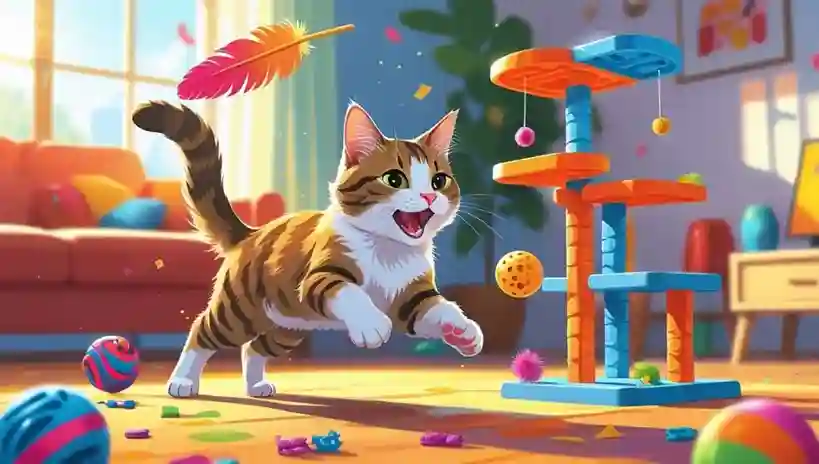
It’s 2 a.m., and your cat is tearing through the house like a furry tornado. Leaping over furniture, darting down hallways, and skidding across the floor, your feline friend seems possessed by a sudden burst of energy. If you’re a cat owner, you’ve likely witnessed this phenomenon known as cat zoomies. But what exactly are zoomies, and why do cats get them?
In this comprehensive guide, we’ll dive deep into the world of cat zoomies, exploring what triggers these wild sprints, what they mean for your cat’s health and happiness, and how you can manage them to keep both you and your kitty content. Whether you’re a seasoned cat parent or a curious new owner, this post will answer all your questions about cat zoomies explained and provide practical tips to embrace your cat’s quirky behavior. Let’s get started!
Table of Contents
🐾 Recommended for Pet Parents
Discover trusted resources, tips and tools for your furry friend!
Explore Free Pet Resources →What Are Cat Zoomies? A Quick Definition
Cat zoomies, also known as frenetic random activity periods (FRAPs), are sudden bursts of high-energy behavior where a cat runs, jumps, or plays with seemingly boundless enthusiasm. You might see your cat sprinting around the house, pouncing on imaginary prey, or performing acrobatic leaps for no apparent reason. These episodes are typically short-lived, lasting a few seconds to a few minutes, but they’re packed with action.
Zoomies are most common in younger cats and kittens, but even senior cats can get the occasional burst of energy. While zoomies might look chaotic, they’re a natural part of feline behavior and often a sign of a happy, healthy cat. But what’s driving this wild behavior? Let’s explore the science behind it.
The Science Behind Cat Zoomies: Why Do Cats Get Them?
To understand cat zoomies, we need to look at feline biology and psychology. Cats are hardwired with instincts that trace back to their wild ancestors. Here’s a breakdown of the key reasons cats get the zoomies:
Instinctual Energy Release
Cats are natural predators, built for short bursts of intense activity like chasing prey. In the wild, a cat might stalk, sprint, and pounce to catch food, followed by long periods of rest. Domestic cats, however, don’t need to hunt for survival, which can lead to pent-up energy. Zoomies are a way for cats to release this energy in a safe, controlled environment.
Hormonal Surges
Zoomies can be influenced by hormonal changes, especially in younger cats. Adrenaline and endorphins, which are released during play or excitement, can trigger a sudden urge to run and jump. This is why zoomies often happen after a stimulating event, like playing with a toy or eating a meal.
Circadian Rhythms and Crepuscular Nature
Cats are crepuscular, meaning they’re most active at dawn and dusk. Zoomies often occur during these times because your cat’s internal clock is signaling peak energy levels. If your cat starts zooming around at 6 a.m. or 8 p.m., it’s likely their natural rhythms at play.
Emotional Expression
Cats use zoomies to express emotions like excitement, joy, or even stress. A happy cat might zoom after a fun play session, while a stressed cat might use zoomies to cope with overstimulation. Understanding the context of your cat’s zoomies can help you gauge their emotional state.
Neurological Factors
Some experts believe zoomies may be linked to the feline nervous system. A sudden burst of neural activity could prompt a cat to move quickly, almost like a reflex. This is why zoomies can seem random and unpredictable.
Common Triggers for Cat Zoomies
While zoomies can seem spontaneous, certain triggers often set them off. Here are the most common causes:
Post-Litter Box Zoomies
Ever notice your cat sprinting out of the litter box like they’re escaping a crime scene? This is one of the most common zoomie triggers. Theories suggest that cats feel a sense of relief or vulnerability after using the litter box, prompting a quick getaway. It could also be a way to shake off any lingering litter or discomfort.
Playtime Overload
Interactive play with toys like feather wands or laser pointers can rev up your cat’s energy. If they get overstimulated, they might transition from focused play to full-on zoomies as a way to burn off excess excitement.
Feeding Time Frenzy
Some cats get zoomies right after eating. This could be due to a surge in energy from nutrients or an instinctual response to “celebrate” a successful “hunt” (even if the prey was a bowl of kibble).
Environmental Changes
A new piece of furniture, a visitor, or even a rearranged room can spark curiosity or stress, leading to zoomies. Cats are sensitive to their surroundings, and changes can trigger bursts of exploratory energy.
Social Interactions
Zoomies can happen after interactions with other pets or people. For example, a cat might zoom after wrestling with a feline sibling or being petted for too long, as a way to release built-up energy or overstimulation.
Time of Day
As mentioned earlier, dawn and dusk are prime zoomie times due to cats’ crepuscular nature. If your cat’s zooming schedule is predictable, it’s likely tied to their biological clock.
Are Zoomies Normal? When to Worry
In most cases, zoomies are perfectly normal and a sign of a healthy, happy cat. They’re a natural way for cats to exercise, relieve stress, and express their instincts. However, there are times when zoomies might indicate an underlying issue. Here’s how to tell the difference:
When Zoomies Are Normal
- Frequency: Occasional zoomies, especially during active times of day, are typical.
- Duration: Most zoomie episodes last a few seconds to a few minutes.
- Context: Zoomies after play, meals, or litter box use are common.
- Behavior: Your cat appears happy, alert, and relaxed after the episode.
When to Worry
- Excessive Frequency: If your cat is zooming multiple times a day or for prolonged periods, it could signal stress, boredom, or a medical issue.
- Aggression or Fear: Zoomies accompanied by hissing, hiding, or destructive behavior might indicate anxiety or overstimulation.
- Physical Symptoms: If zoomies are paired with symptoms like vomiting, diarrhea, or lethargy, consult a vet to rule out health problems like hyperthyroidism or pain.
- Sudden Onset in Older Cats: While senior cats can have zoomies, a sudden increase in frequency or intensity could point to cognitive changes or medical issues.
Actionable Tip: Keep a journal of your cat’s zoomie episodes, noting the time, trigger, and behavior. If you notice patterns that seem unusual, schedule a vet visit to discuss potential causes.
How to Manage Cat Zoomies: Tips for Cat Owners
While zoomies are usually harmless, they can be disruptive (especially at 3 a.m.!). Here are practical tips to manage and even encourage healthy zoomies:
Provide Regular Playtime
Channel your cat’s energy into structured play sessions. Use toys that mimic prey, like feather wands or crinkle balls, to satisfy their hunting instincts. Aim for at least 15–30 minutes of play twice a day, ideally during dawn and dusk.
Create a Zoomie-Friendly Environment
Make your home a safe space for zoomies. Clear clutter from hallways, secure fragile items, and provide vertical spaces like cat trees for climbing. A scratching post or tunnel can also give your cat an outlet for their energy.
Use Enrichment Activities
Boredom can lead to excessive zoomies. Keep your cat mentally stimulated with puzzle feeders, treat-dispensing toys, or window perches for bird-watching. Rotate toys regularly to maintain interest.
Stick to a Routine
Cats thrive on predictability. Feed, play, and interact with your cat at consistent times to align their energy bursts with your schedule. A bedtime play session can help tire them out before you sleep.
Address Stress Triggers
If zoomies seem stress-related, identify and minimize triggers. For example, provide a quiet space during loud events or introduce new pets gradually. Calming aids like pheromone diffusers (e.g., Feliway) can also help.
Consult a Vet for Persistent Issues
If zoomies are excessive or paired with concerning symptoms, a vet can check for underlying issues like fleas, allergies, or hormonal imbalances. Bloodwork or behavioral assessments may be recommended.
Fun Facts About Cat Zoomies
To keep things light, here are some fun facts about cat zoomies that might surprise you:
- Zoomies Aren’t Just for Cats: Dogs, rabbits, and even ferrets can get zoomies, though cats are the most famous for it!
- Kittens Zoom More: Kittens have more energy to burn, so their zoomies are often more frequent and intense.
- Zoomies Can Be Contagious: In multi-cat households, one cat’s zoomies can trigger a chain reaction, leading to a furry frenzy.
- Cultural Nicknames: In some countries, zoomies are called “midnight crazies” or “witching hour sprints” due to their nocturnal timing.
- Zoomies Are Good Exercise: A single zoomie session can burn as many calories as a short play session, keeping your cat fit.
FAQs About Cat Zoomies
To address common reader questions and boost SEO, here are answers to frequently asked questions about cat zoomies:
Q: Are cat zoomies dangerous?
A: Zoomies are usually harmless, but ensure your home is safe to prevent injuries. Remove hazards like sharp objects or unstable furniture.
Q: Why does my cat get zoomies at night?
A: Cats are crepuscular, so they’re naturally more active at dawn and dusk. Nighttime zoomies are often tied to their biological clock.
Q: Can I stop my cat’s zoomies?
A: You can’t stop zoomies entirely, but regular play, enrichment, and a consistent routine can reduce their frequency and intensity.
Q: Do all cats get zoomies?
A: Most cats experience zoomies, but frequency varies by age, personality, and health. Less active or older cats may zoom less often.
Q: Should I punish my cat for zoomies?
A: No, zoomies are a natural behavior. Punishing your cat can cause stress and damage your bond. Instead, redirect their energy with toys or play.
Conclusion: Embracing Your Cat’s Wild Side
Cat zoomies are one of the many quirks that make felines so endearing. These bursts of energy are a window into your cat’s instincts, emotions, and health, offering a glimpse of their wild roots. By understanding cat zoomies explained, you can better support your cat’s needs, create a stimulating environment, and even enjoy the hilarious antics of their midnight sprints.
So, the next time your cat rockets through the house, take a moment to appreciate their boundless energy and playful spirit. With the tips in this guide, you’ll be well-equipped to manage zoomies and keep your feline friend happy and healthy.
Have a funny zoomie story or a tip to share? Drop it in the comments below—we’d love to hear from you!