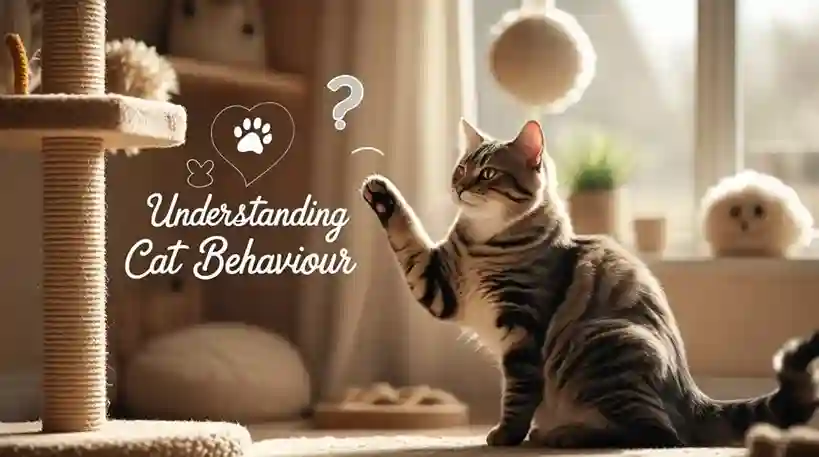
Cats communicate in a symphony of sounds—meows, purrs, hisses, and the lesser-known but equally fascinating cat trilling. If you’ve ever heard your feline friend emit a melodic, chirping sound, you’ve likely witnessed feline trilling in action. This distinctive vocalization, often described as a cross between a meow and a purr, is a captivating part of feline behavior. But what does feline trilling mean, and why do cats do it?
In this comprehensive guide, we’ll dive deep into the world of cat trilling, exploring its causes, meanings, and how you can respond to strengthen your bond with your cat. We’ll also recommend some Amazon products to enhance your cat’s environment and address common questions about this unique sound.
Table of Contents
🐾 Recommended for Pet Parents
Discover trusted resources, tips and tools for your furry friend!
Explore Free Pet Resources →What Is Cat Trilling?
Cat trilling is a high-pitched, musical vocalization that cats use to express a range of emotions and intentions. Unlike a sharp meow or a deep growl, trilling is softer and more melodic, often sounding like a rolling “r” or a chirrup. It’s a sound that can catch you off guard, especially if your cat suddenly trills while greeting you at the door or during playtime.
Trilling is most commonly associated with positive emotions, such as excitement, affection, or a desire for attention. Cats may trill to greet their owners, other cats, or even objects they find intriguing. According to feline behaviorists, trilling is a form of social communication, often used in situations where a cat feels comfortable and engaged.
Why Do Cats Trill?
The reasons behind cat trilling are as varied as the cats themselves. Here are some common scenarios where you might hear this delightful sound:
- Greeting and Affection: Cats often trill when they see their owners or another cat they’re fond of. It’s their way of saying, “Hello, I’m happy to see you!” For example, your cat might trill when you return home after a long day, signaling joy and connection.
- Mother-Kitten Communication: Mother cats frequently use trilling to communicate with their kittens. It’s a gentle way to call them, encourage movement, or reassure them. Adult cats may carry this behavior into their relationships with humans or other pets.
- Seeking Attention: If your cat trills while weaving around your legs or nudging your hand, they might be asking for playtime, food, or cuddles. Feline trilling in this context is an invitation to engage.
- Expressing Curiosity or Excitement: A cat might trill when they spot a bird outside the window or discover a new toy. This vocalization often accompanies a heightened state of interest or anticipation.
- Social Bonding: In multi-cat households, trilling can be a way for cats to strengthen social bonds. It’s a friendly sound that fosters harmony among feline companions.
The Science Behind Cat Trilling
To understand feline trilling, it’s helpful to look at the science of feline vocalization. Cats produce sounds using their vocal cords, and trilling is created by a rapid vibration of these cords combined with a partially closed mouth. This produces the distinctive, warbling tone that sets Trilling apart from other vocalizations.
Research suggests that feline trilling is rooted in evolutionary instincts. In the wild, feline ancestors used vocalizations to coordinate with their group or offspring. Trilling, in particular, is thought to have developed as a non-threatening way to communicate over short distances. According to a study published in Applied Animal Behaviour Science, domestic cats have adapted their vocalizations to better communicate with humans, making feline trilling a key part of their interaction with us.
How Does Trilling Differ from Other Cat Sounds?
To fully appreciate feline trilling, it’s worth comparing it to other common feline vocalizations:
- Meowing: Meows are typically directed at humans and vary in tone and purpose (e.g., demanding food or signaling distress). Feline trilling, on the other hand, is more melodic and often used in positive, social contexts.
- Purring: Purring is a continuous, low-frequency sound associated with contentment, though it can also occur when a cat is in pain. Trilling is shorter and more deliberate, often serving as a specific message.
- Hissing or Growling: These are defensive or aggressive sounds, starkly different from the friendly nature of trilling.
By understanding these differences, you can better interpret what your cat is trying to tell you when they trill.
Why Your Cat Might Be Trilling More Than Usual
If your cat is trilling more frequently, it could be a sign of changes in their environment, mood, or health. Here are some factors that might increase feline trilling:
- New Stimuli: A new pet, toy, or even a change in routine can prompt more trilling as your cat expresses curiosity or excitement. For instance, introducing a new interactive toy like the Petstages Catnip Chew Mice can spark enthusiastic trilling during playtime.
- Social Dynamics: In homes with multiple cats, trilling may increase as cats communicate with each other. If you’ve recently adopted a new cat, expect more feline trilling as they establish their social hierarchy.
- Health or Stress: While trilling is usually positive, excessive vocalization could indicate stress, discomfort, or a health issue. If your cat’s trilling seems out of character or is accompanied by other symptoms (e.g., lethargy or appetite changes), consult a veterinarian.
- Age and Development: Kittens and younger cats may trill more as they explore their world and communicate with their environment. As cats age, their trilling may decrease or change in tone.
How to Respond to Cat Trilling
Responding appropriately to trilling can strengthen your bond with your feline friend. Here are some tips to engage with your trilling cat:
- Acknowledge Their Greeting: If your cat trills when you enter the room, respond with a soft voice or a gentle pet. This reinforces their positive behavior and shows you’re engaged.
- Engage in Play: Feline trilling during playtime is an invitation to interact. Consider using toys like the Catit Play Circuit Ball Toy, which encourages active play and can elicit more trilling as your cat enjoys the activity.
- Observe Their Body Language: Cats often pair trilling with specific body language, such as a raised tail or rubbing against you. These are signs of affection, so reciprocate with attention or treats.
- Create a Stimulating Environment: To encourage healthy trilling, provide an enriched environment with toys, scratching posts, and perches. The PetFusion Ultimate Cat Scratcher Lounge is a great option for keeping your cat engaged and happy.
- Monitor for Changes: If your cat’s trilling seems excessive or unusual, keep an eye on their behavior. Persistent trilling could be a sign they’re seeking attention or experiencing discomfort.
Encouraging Positive Cat Trilling
To foster an environment where your cat feels comfortable trilling, focus on their physical and emotional well-being. Here are some practical steps:
Provide Mental Stimulation
Cats thrive in environments that challenge their minds. Interactive toys, puzzle feeders, and window perches can stimulate your cat’s curiosity, potentially leading to more cat trilling. The Trixie Brain Mover Interactive Cat Toy is an excellent choice for mental stimulation, encouraging problem-solving and play.
Maintain a Consistent Routine
Cats are creatures of habit, and a stable routine can reduce stress and promote positive vocalizations like trilling. Feed your cat at the same time each day, maintain a clean litter box, and provide regular play sessions.
Social Interaction
Spend quality time with your cat to encourage social behaviors like trilling. Whether it’s grooming, playing, or simply talking to them, these interactions can prompt more feline trilling as a sign of trust and affection.
Health and Nutrition
A healthy cat is more likely to engage in positive behaviors like trilling. Ensure your cat is eating a balanced diet, such as Blue Buffalo Indoor Health Dry Cat Food , which supports overall wellness and energy levels.
Common Myths About Cat Trilling
There are several misconceptions about cat trilling that can confuse pet owners. Let’s debunk a few:
- Myth 1: Trilling Means a Cat Is Angry: Unlike hissing or growling, feline trilling is almost always a positive sound. It’s a sign of friendliness or excitement, not aggression.
- Myth 2: Only Certain Breeds Trill: While some breeds, like Siamese, are known for being vocal, feline trilling is common across all breeds. Your cat’s personality and environment play a bigger role than their breed.
- Myth 3: Trilling Is the Same as Meowing: As discussed earlier, trilling and meowing serve different purposes. Feline trilling is typically a social, positive sound, while meows can convey a broader range of needs or emotions.
FAQs About Cat Trilling
Based on common questions from Google Trends and pet-related searches, here are answers to frequently asked questions about feline trilling:
Why does my cat trill when she sees me?
Your cat likely trills to greet you and express excitement or affection. It’s a sign they’re happy to see you and want to engage. Respond with attention or play to reinforce this positive behavior.
Is cat trilling a sign of stress?
Cat trilling is usually a positive sound, but excessive trilling could indicate stress or a need for attention. Monitor your cat’s body language and consult a vet if you notice other unusual behaviors.
Do all cats trill?
Most cats trill, though the frequency and tone vary by individual. Factors like personality, environment, and social interactions influence how often a cat trills.
How can I encourage my cat to trill more?
Create a stimulating environment with toys, regular playtime, and social interaction. Products like the Catit Play Circuit Ball Toy can spark excitement and encourage cat trilling.
Is trilling different from chirping?
While similar, trilling is typically a longer, more melodic sound, while chirping is shorter and more abrupt. Both are positive vocalizations, often used to express excitement or curiosity.
Can trilling indicate health issues?
In rare cases, excessive or unusual trilling could signal discomfort or a health problem. If your cat’s trilling is accompanied by lethargy, appetite changes, or other symptoms, consult a veterinarian.
Conclusion
Cat trilling is a beautiful and meaningful part of your cat’s communication repertoire. Whether they’re greeting you, expressing excitement, or bonding with another pet, this melodic sound reflects your cat’s emotions and personality. By understanding the reasons behind feline trilling and responding appropriately, you can deepen your connection with your feline friend. Products like interactive toys and nutritious food, available on Amazon, can enhance your cat’s environment and encourage more joyful trilling moments.
Next time your cat trills, take a moment to appreciate their unique voice and engage with them. With a little attention and care, you’ll create an environment where feline trilling thrives, strengthening the bond between you and your furry companion.
Sources