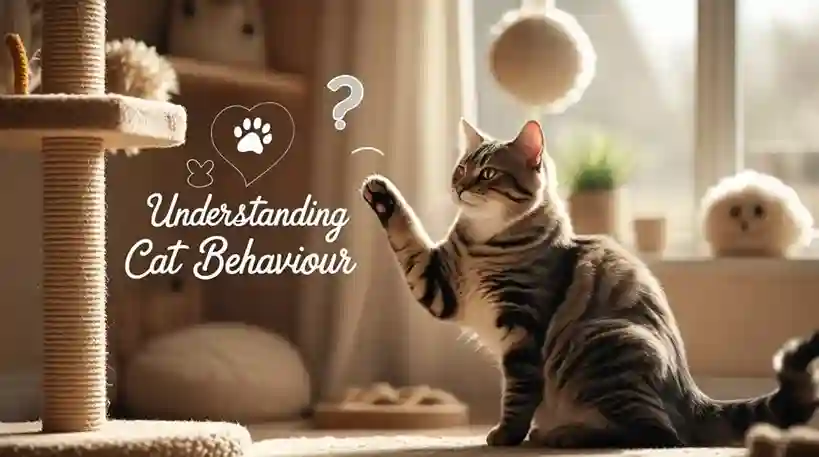
When you think of a cat that’s equal parts cuddly teddy bear and regal aristocrat, the British Shorthair likely comes to mind. With their round faces, plush coats, and soulful eyes, these felines have captured the hearts of cat lovers worldwide. But it’s not just their charming appearance that makes them so beloved—it’s their temperament. The British Shorthair temperament is a delightful blend of calm, affectionate, and independent traits, making them one of the most sought-after breeds for families, singles, and seniors alike.
In this comprehensive guide, we’ll dive deep into the British Shorthair temperament, exploring what makes these cats so special. From their laid-back nature to their surprising bursts of playfulness, we’ll uncover why these plush pals are the ultimate feline companions.
Whether you’re considering adopting a British Shorthair or simply curious about the breed, this article will give you everything you need to know about their personality, behavior, and how to bring out the best in these delightful cats.
🐾 Recommended for Pet Parents
Discover trusted resources, tips and tools for your furry friend!
Explore Free Pet Resources →What Defines the British Shorthair Temperament?
The British Shorthair is often described as the “gentleman” (or “gentlewoman”) of the cat world. Their temperament is characterized by a unique combination of traits that make them adaptable to various lifestyles. Here’s a snapshot of what you can expect from a British Shorthair’s personality:
- Calm and Composed: British Shorthairs are known for their serene demeanor. They’re not easily rattled, making them ideal for households with children or other pets.
- Affectionate but Not Clingy: These cats love their humans but aren’t overly demanding. They enjoy being near you without needing constant attention.
- Independent Yet Loyal: British Shorthairs are self-sufficient but form strong bonds with their owners, often following them from room to room.
- Playful with a Touch of Mischief: While they’re not as hyperactive as some breeds, British Shorthairs have a playful side that emerges in short, adorable bursts.
- Quiet and Reserved: Unlike vocal breeds like the Siamese, British Shorthairs are relatively quiet, expressing themselves with soft chirps or gentle purrs.
This unique blend of traits makes the British Shorthair a versatile companion, equally suited for bustling family homes or quiet apartments. Let’s explore each aspect of their temperament in detail to understand why they’re such a perfect fit for so many cat lovers.
A Closer Look at the British Shorthair Temperament
1. Calm and Easygoing: The Zen Masters of the Cat World
If there’s one word to describe a British Shorthair’s demeanor, it’s calm. These cats have an almost zen-like ability to remain unfazed by the chaos of daily life. Whether it’s the sound of a vacuum cleaner, a toddler’s enthusiastic hugs, or the arrival of a new pet, British Shorthairs take it all in stride.
This calm temperament makes them an excellent choice for first-time cat owners or families with young children. Unlike more high-strung breeds, British Shorthairs don’t get stressed easily, which contributes to their overall health and longevity. Their composed nature also means they’re less likely to engage in destructive behaviors like scratching furniture or knocking over household items.
To keep your British Shorthair’s stress levels low, provide them with a cozy, quiet spot where they can retreat when they need a break. A plush cat bed or a perch by a sunny window is perfect for their downtime.
2. Affectionate Without Being Overbearing
British Shorthairs are the Goldilocks of affection—just right. They love spending time with their humans, whether it’s curling up next to you on the couch or gently head-butting your hand for pets. However, they’re not the type to demand constant attention or follow you around meowing for affection.
This balance makes them ideal for people who want a loving companion without the clinginess of some other breeds. British Shorthairs are content to be in your presence, often choosing to sit nearby while you work or watch TV. Their subtle displays of affection—like a slow blink or a gentle nuzzle—make every interaction feel special.
British Shorthairs are known for their “smiling” expression, thanks to their round faces and large, expressive eyes. This gives the impression that they’re always happy to see you!
3. Independent Yet Devoted
While British Shorthairs enjoy their alone time, don’t mistake their independence for aloofness. These cats form deep, loyal bonds with their owners and often become your shadow around the house. They’re not the type to climb into your lap every chance they get, but they’ll show their devotion in quieter ways, like greeting you at the door or sleeping at the foot of your bed.
Their independent streak makes them well-suited for busy households or owners who work long hours. British Shorthairs are perfectly happy entertaining themselves with a toy or lounging in a sunbeam while you’re away. However, they thrive on routine, so regular feeding times and play sessions will keep them content and connected to you.
4. Playful with a Dash of Silliness
Don’t let their dignified appearance fool you—British Shorthairs have a playful side that’s downright charming. They’re not as acrobatic as breeds like the Abyssinian, but they enjoy short bursts of activity, especially in their younger years. You might catch your British Shorthair batting at a feather toy, pouncing on a laser pointer, or even chasing their own tail in a moment of feline whimsy.
As they age, British Shorthairs tend to become more sedentary, but they still appreciate interactive play to keep their minds and bodies active. Puzzle toys, wand toys, and even simple cardboard boxes can spark their curiosity and bring out their inner kitten.
Schedule short, daily play sessions (10–15 minutes) to keep your British Shorthair physically fit and mentally stimulated. This is especially important given their tendency to gain weight as they age.
5. Quiet and Polite Communicators
If you’re looking for a cat that won’t wake the neighbors with yowls, the British Shorthair is a great choice. These cats are naturally quiet, preferring to communicate with soft chirps, trills, or purrs. When they do “talk,” it’s usually to politely remind you that it’s dinnertime or to express their contentment during a cuddle session.
Their reserved nature extends to their interactions with other pets. British Shorthairs are generally amicable with other cats and even dogs, provided introductions are done gradually. Their non-confrontational temperament makes them excellent housemates in multi-pet households.
How the British Shorthair Temperament Fits Different Lifestyles
One of the reasons British Shorthairs are so popular is their adaptability. Their temperament makes them a great match for a wide range of households and lifestyles. Here’s how they fit into different scenarios:
- Families with Children: British Shorthairs are patient and tolerant, making them wonderful companions for kids. Their sturdy build means they can handle gentle roughhousing, though teaching children to respect their boundaries is key.
- Singles or Couples: For those living alone or with a partner, British Shorthairs offer companionship without overwhelming demands. Their independent nature means they’re happy to chill while you’re at work or out socializing.
- Seniors: The low-maintenance, affectionate temperament of British Shorthairs makes them ideal for older adults. Their calm demeanor and love for lounging align perfectly with a quieter lifestyle.
- Apartment Dwellers: British Shorthairs don’t need a lot of space to thrive. Their moderate activity levels and quiet nature make them perfect for small apartments or urban environments.
- Multi-Pet Households: Thanks to their easygoing temperament, British Shorthairs generally get along well with other pets, including cats, dogs, and even small animals like rabbits.
Nurturing the Best in Your British Shorthair’s Temperament
While British Shorthairs are naturally well-mannered, their environment and care play a big role in bringing out their best traits. Here are some tips to ensure your British Shorthair thrives:
1. Create a Stimulating Environment
British Shorthairs may be low-energy, but they still need mental and physical stimulation. Provide a variety of toys, scratching posts, and climbing structures to keep them engaged. Window perches are a favorite, as they love watching the world go by.
2. Maintain a Consistent Routine
These cats thrive on predictability. Stick to regular feeding, play, and grooming schedules to keep them happy and stress-free. A consistent routine also helps prevent behavioral issues like overeating or anxiety.
3. Monitor Their Weight
British Shorthairs have a stocky build and a love for lounging, which can lead to weight gain. Feed them a balanced diet and avoid overindulging them with treats. Regular play sessions will also help keep them fit.
4. Respect Their Independence
While British Shorthairs love affection, they also value their personal space. Let them come to you for cuddles rather than forcing attention on them. This respect for their boundaries will strengthen your bond.
5. Regular Vet Checkups
A healthy cat is a happy cat. Schedule regular veterinary visits to monitor your British Shorthair’s health, especially as they age. Common issues like obesity or dental problems can affect their temperament if left unchecked.
Common Misconceptions About the British Shorthair Temperament
Despite their popularity, there are some myths about British Shorthairs that can mislead potential owners. Let’s set the record straight:
- Myth: They’re Lazy: While British Shorthairs are less active than some breeds, they’re not lazy. They enjoy playtime and need regular exercise to stay healthy.
- Myth: They’re Aloof: Their independent nature is sometimes mistaken for aloofness, but British Shorthairs are deeply loyal and affectionate in their own way.
- Myth: They Don’t Get Along with Other Pets: With proper introductions, British Shorthairs are typically friendly and adaptable in multi-pet households.
- Myth: They’re High-Maintenance: Their short, dense coats and easygoing temperament make them relatively low-maintenance compared to other breeds.
Why Choose a British Shorthair?
The British Shorthair temperament is a winning combination of calm, affectionate, and independent traits that make them a joy to live with. Whether you’re looking for a loyal companion to share your Netflix binges or a gentle friend for your kids to grow up with, the British Shorthair fits the bill. Their plush appearance and charming personality are just the icing on the cake.
If you’re ready to welcome a British Shorthair into your home, take the time to find a reputable breeder or consider adopting from a rescue organization. With proper care and love, your British Shorthair will reward you with years of companionship, purrs, and those iconic “smiling” expressions.
FAQs About the British Shorthair Temperament
Q: Are British Shorthairs good with kids?
A: Yes! Their patient and tolerant nature makes them great for families with children, though supervision is recommended to ensure gentle handling.
Q: Do British Shorthairs like to cuddle?
A: They enjoy affection but prefer it on their terms. They’re more likely to sit beside you than on your lap.
Q: Are British Shorthairs vocal?
A: No, they’re quiet cats, communicating with soft chirps or purrs rather than loud meows.
Q: How active are British Shorthairs?
A: They have moderate energy levels, enjoying short bursts of play but spending much of their time lounging.
Q: Can British Shorthairs live with other pets?
A: Yes, their easygoing temperament makes them adaptable to multi-pet households with proper introductions.
Conclusion: The Perfect Feline Friend
The British Shorthair temperament is a delightful mix of calm, affection, and independence, making them one of the most versatile and beloved cat breeds. Whether you’re a busy professional, a family with kids, or a retiree looking for a loyal companion, these plush pals have a way of fitting seamlessly into your life. Their serene demeanor, subtle affection, and occasional bursts of playfulness make every moment with a British Shorthair special.
Ready to meet your new best friend? Start your journey to find a British Shorthair and discover why their temperament makes them the ultimate feline companion. Share your thoughts or experiences with British Shorthairs in the comments below—we’d love to hear your stories!