
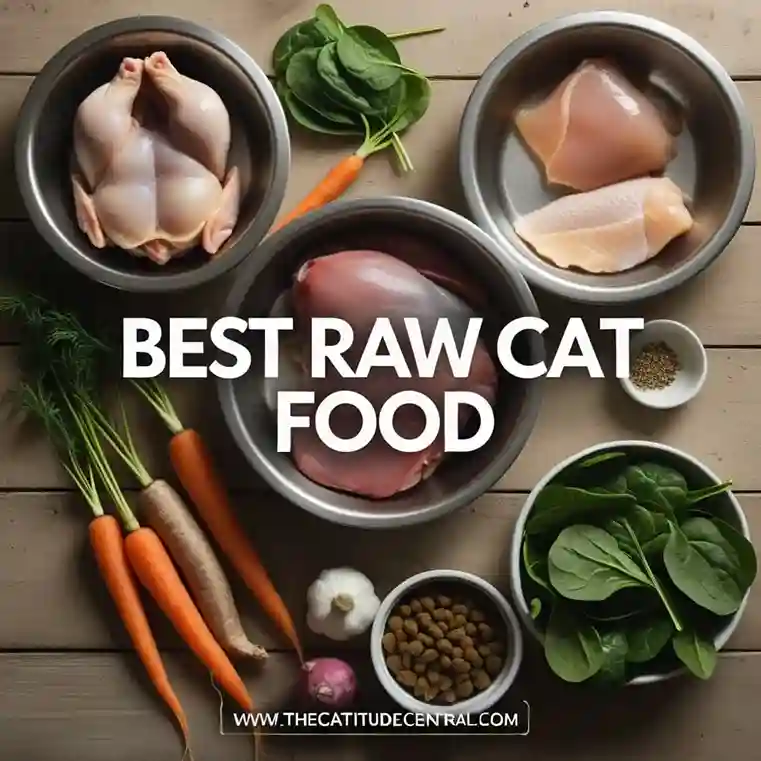
In recent years, raw cat food has surged in popularity among pet owners seeking to provide their feline companions with a diet that mirrors what they would eat in the wild. Cats are obligate carnivores, meaning their bodies are designed to thrive on meat-based diets rich in protein and essential nutrients. Raw cat food, often referred to as a biologically appropriate raw food (BARF) diet, aims to replicate this natural diet, offering benefits like improved coat health, better digestion, and increased energy levels.
But with so many options on the market, how do you choose the best raw cat food for your cat? This comprehensive guide dives deep into the world of raw feeding, exploring its benefits, safety considerations, and the top raw cat food brands available in 2025. Whether you’re a seasoned raw feeder or a curious beginner, this article will equip you with the knowledge to make informed decisions for your cat’s health.
Table of Contents
🐾 Recommended for Pet Parents
Discover trusted resources, tips and tools for your furry friend!
Explore Free Pet Resources →What Is Raw Cat Food?
Raw cat food is a diet primarily composed of uncooked meat, bones, and organs, often supplemented with vitamins, minerals, and other nutrients to ensure a balanced meal. Unlike traditional kibble or canned food, raw cat food avoids high heat processing, preserving the natural enzymes and nutrients found in fresh ingredients.
There are two main types of raw cat food:
- Commercial Raw Cat Food: Pre-packaged, frozen, or freeze-dried raw meals formulated to meet a cat’s nutritional needs. These are convenient and often tested for safety.
- Homemade Raw Cat Food: Prepared at home using fresh ingredients like chicken, beef, or fish, tailored to your cat’s preferences and dietary requirements.
Raw cat food aligns with a cat’s natural diet, which includes prey like birds or small mammals. By mimicking this diet, raw feeding aims to optimize your cat’s health and longevity.
Benefits of Feeding Raw Cat Food
Switching to a raw diet can offer numerous health benefits for your cat. Here’s why many pet owners are making the switch:
Improved Digestion
Cats have short, acidic digestive tracts designed to process raw meat efficiently. Raw cat food is free from fillers, grains, and artificial additives found in many commercial kibbles, which can cause digestive issues like vomiting or diarrhea. A 2023 study published in the Journal of Feline Medicine and Surgery found that cats on raw diets had fewer instances of inflammatory bowel disease compared to those on processed foods.
Healthier Skin and Coat
The high levels of omega-3 fatty acids and natural oils in raw meat contribute to a glossy coat and healthy skin. Many cat owners report reduced shedding and fewer skin allergies after transitioning to raw food.
Better Dental Health
Chewing raw meaty bones can naturally clean your cat’s teeth, reducing plaque buildup and the risk of periodontal disease. Unlike kibble, which can leave starchy residue, raw food promotes oral hygiene.
Increased Energy and Vitality
Raw diets are rich in bioavailable nutrients, providing cats with sustained energy. Owners often notice their cats becoming more playful and alert after switching to raw.
Weight Management
Raw cat food is typically low in carbohydrates, helping to prevent obesity—a common issue in domestic cats. The high protein content supports lean muscle mass and keeps your cat feeling full.
Reduced Allergies
Cats with food sensitivities often benefit from raw diets, as they eliminate common allergens like grains, soy, and artificial preservatives.
Potential Risks and Safety Tips
While raw cat food offers significant benefits, it’s not without risks. Understanding these concerns and taking proper precautions is essential for safe raw feeding.
Bacterial Contamination
Raw meat can harbor bacteria like Salmonella or E. coli, posing risks to both cats and humans. However, cats’ digestive systems are naturally equipped to handle bacteria better than humans. To minimize risks:
- Choose high-quality, human-grade meat from reputable suppliers.
- Handle raw food with care, using gloves and sanitizing surfaces.
- Freeze raw meat for at least 48 hours to kill potential parasites.
Nutritional Imbalances
Homemade raw diets can lack essential nutrients if not properly balanced. For example, insufficient taurine can lead to heart and vision problems. To avoid this:
- Follow veterinarian-approved recipes or consult a feline nutritionist.
- Consider commercial raw foods that meet AAFCO (Association of American Feed Control Officials) standards.
Transition Challenges
Some cats may resist switching to raw food, especially if they’re accustomed to kibble. Gradual transitions and patience are key to success.
Safety Tips for Raw Feeding
- Store raw food at appropriate temperatures (frozen or refrigerated).
- Clean bowls and utensils thoroughly after each meal.
- Monitor your cat’s health with regular vet checkups to ensure the diet meets their needs.
How to Choose the Best Raw Cat Food
With countless raw cat food brands on the market, selecting the right one can feel overwhelming. Here are key factors to consider:
Ingredient Quality
Look for brands that use human-grade, ethically sourced meat. Avoid products with fillers, artificial flavors, or low-quality by-products.
Nutritional Balance
Ensure the food meets AAFCO guidelines for complete and balanced nutrition. Check for essential nutrients like taurine, omega-3s, and vitamins.
Variety
Cats benefit from a variety of proteins (e.g., chicken, beef, turkey, fish) to prevent nutrient deficiencies and food boredom.
Convenience
Consider your lifestyle. Frozen raw food requires thawing, while freeze-dried options are more portable and have a longer shelf life.
Price
Raw cat food can be pricier than kibble, so factor in your budget. Compare cost per ounce and portion sizes to find value.
Brand Reputation
Research brands with positive reviews, transparent sourcing, and a history of safety. Check for recalls or quality control issues.
Top 10 Best Raw Cat Food Brands in 2025
To help you navigate the market, we’ve compiled a list of the best raw cat food brands available in 2025, based on quality, nutritional value, and customer feedback.
1. Stella & Chewy’s Raw Frozen Dinners
- Why It’s Great: Made with 98% meat, organs, and bones, these patties are fortified with taurine and probiotics for digestion.
- Flavors: Chicken, Duck, Rabbit
- Price: ~$25 for 6 lbs
- Best For: Cats of all ages and picky eaters
2. Primal Pet Foods Raw Frozen Nuggets
- Why It’s Great: Uses organic produce and ethically sourced meats. AAFCO-compliant for complete nutrition.
- Flavors: Turkey, Beef, Venison
- Price: ~$30 for 6 lbs
- Best For: Cats with allergies
- Shop on Amazon
3. Instinct Raw Frozen Bites
- Why It’s Great: Cage-free chicken and wild-caught fish ensure high-quality protein. Grain-free and minimally processed.
- Flavors: Chicken, Salmon, Lamb
- Price: ~$20 for 4 lbs
- Best For: Budget-conscious owners
4. Northwest Naturals Raw Frozen
- Why It’s Great: Offers a wide variety of proteins and includes superfoods like kelp and cranberries.
- Flavors: Turkey, Beef, Rabbit
- Price: ~$28 for 6 lbs
- Best For: Cats needing variety
- Shop on Amazon
5. Feline Natural Freeze-Dried Raw
- Why It’s Great: New Zealand-sourced, grass-fed meat with no artificial additives. Rehydrates easily for convenience.
- Flavors: Lamb, Chicken, Beef
- Price: ~$35 for 11 oz
- Best For: Travel or small households
- Shop on Amazon
6. Vital Essentials Raw Frozen Patties
- Why It’s Great: Single-protein options for cats with sensitivities. Gluten- and grain-free.
- Flavors: Turkey, Duck, Rabbit
- Price: ~$22 for 3 lbs
- Best For: Cats with food intolerances
- Shop on Amazon
7. Smallbatch Pets Raw Frozen
- Why It’s Great: Small-batch production ensures quality. Uses free-range, pasture-raised meats.
- Flavors: Chicken, Turkey, Beef
- Price: ~$26 for 6 lbs
- Best For: Eco-conscious owners
- Shop on Amazon
8. Darwin’s Natural Pet Products
- Why It’s Great: Customizable meal plans based on your cat’s needs. Delivered fresh to your door.
- Flavors: Chicken, Turkey
- Price: ~$15 for 2 lbs (subscription)
- Best For: Personalized diets
9. Raw Paws Pet Food
- Why It’s Great: Offers both complete meals and raw meat for DIY feeding. Sourced from USDA-inspected facilities.
- Flavors: Chicken, Beef, Quail
- Price: ~$18 for 4 lbs
- Best For: DIY raw feeders
- Shop on Amazon
10. Nature’s Variety Raw Boost
- Why It’s Great: Combines raw pieces with kibble for a hybrid diet, ideal for transitioning cats.
- Flavors: Chicken, Salmon
- Price: ~$15 for 2 lbs
- Best For: Cats transitioning to raw
- Shop on Amazon
Homemade vs. Commercial Raw Cat Food
Deciding between homemade and commercial raw cat food depends on your time, budget, and confidence in preparing balanced meals.
Homemade Raw Cat Food
Pros:
- Full control over ingredients and sourcing.
- Can be tailored to your cat’s preferences or health needs.
- Potentially cheaper if you source meat in bulk.
Cons:
- Time-consuming to prepare and balance nutritionally.
- Risk of deficiencies without proper knowledge.
- Requires strict hygiene to prevent contamination.
Sample Homemade Recipe (Consult a vet before use):
- 2 lbs raw chicken thighs (with bone)
- 4 oz chicken liver
- 1 egg yolk
- 1 tsp taurine supplement
- 1 tbsp fish oil
- Blend and portion into meals. Freeze extras.
Commercial Raw Cat Food
Pros:
- Convenient and pre-balanced for nutrition.
- Tested for safety and quality.
- Wide variety of flavors and formats.
Cons:
- More expensive than homemade.
- Limited control over ingredients.
- Requires storage space (especially for frozen).
For most owners, commercial raw food is the safer and more practical choice, but dedicated raw feeders may enjoy the customization of homemade diets.
Transitioning Your Cat to a Raw Diet
Switching your cat to raw food requires a gradual approach to avoid digestive upset or refusal. Follow these steps for a smooth transition:
Step 1: Start Slowly
Mix a small amount of raw food (10-20%) with your cat’s current food. Gradually increase the raw portion over 7-14 days.
Step 2: Monitor Reactions
Watch for signs of digestive issues (e.g., vomiting, diarrhea) or refusal to eat. If issues arise, slow the transition or consult a vet.
Step 3: Experiment with Flavors
Cats can be picky. Try different proteins or textures (e.g., ground vs. chunks) to find what your cat loves.
Step 4: Eliminate Old Food
Once your cat is eating 100% raw food consistently, phase out the old diet completely.
Tips for Success
- Warm raw food slightly to enhance aroma and appeal.
- Offer meals in a quiet, stress-free environment.
- Be patient—some cats take weeks to fully adjust.
FAQs About Raw Cat Food
Q: Is raw cat food safe for kittens? A: Yes, raw food can be safe for kittens if it’s nutritionally balanced and sourced from reputable suppliers. Consult a vet for guidance.
Q: How much raw food should I feed my cat? A: Feed 2-3% of your cat’s body weight daily, split into 2-3 meals. Adjust based on activity level and weight goals.
Q: Can raw cat food cause worms? A: Raw meat can carry parasites, but freezing meat for 48 hours or using commercial raw food reduces this risk.
Q: Is raw food more expensive than kibble? A: Raw food is generally pricier, but bulk buying or homemade recipes can lower costs.
Q: Can I mix raw food with kibble? A: Mixing is not ideal, as raw and kibble digest at different rates, potentially causing digestive issues. Transition fully if possible.
Conclusion: Is Raw Cat Food Right for Your Cat?
Choosing the best raw cat food for your feline friend is a powerful step toward optimizing their health and happiness. From improved digestion to a shinier coat, the benefits of raw feeding are backed by science and countless success stories from cat owners. However, raw feeding requires commitment, proper handling, and careful selection of high-quality products to ensure safety and nutrition.
Our top picks, like Stella & Chewy’s, Primal, and Instinct, offer convenient, nutritionally balanced options for busy pet parents. For those with time and expertise, homemade raw diets provide customization but demand diligence. Whichever path you choose, consult your veterinarian to tailor the diet to your cat’s unique needs.
Ready to make the switch? Start exploring the world of raw cat food today and give your cat the gift of a diet that’s as close to nature as it gets.


