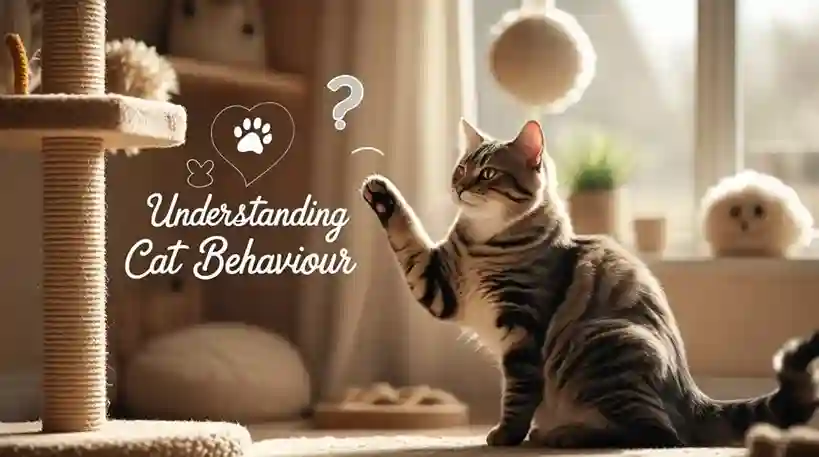
Cats are mysterious creatures, often leaving their owners puzzled by their quirky behaviors and vocalizations. Among their many enigmatic traits, one question stands out: Why do cats meow? If you’ve ever wondered what your feline friend is trying to tell you with those soft chirps, insistent yowls, or gentle purrs, you’re not alone. Meowing is a cat’s primary way of communicating with humans, and each sound carries a unique meaning.
In this comprehensive guide, we’ll dive deep into the fascinating world of feline vocalization. From the evolutionary roots of meowing to the specific reasons behind your cat’s chatter, we’ll uncover the secrets of your cat’s secret language. Whether you’re a first-time cat owner or a seasoned feline enthusiast, this article will equip you with the knowledge to better understand and bond with your furry companion. Let’s get started!
The Origins of Meowing: Why Cats Developed This Unique Trait?
To understand why cats meow, we first need to explore where this behavior comes from. Unlike their wild ancestors, domestic cats (Felis catus) have evolved to communicate with humans in ways that their cousins, like lions or tigers, never do. Meowing is a trait that’s almost exclusive to domesticated cats, and it’s deeply tied to their relationship with us.
In the wild, cats are solitary creatures, relying on body language, scent marking, and occasional vocalizations to communicate with other cats. Kittens meow to their mothers to signal hunger or distress, but adult wild cats rarely use meows to interact with one another. So why do our house cats meow so much?
The answer lies in domestication. Over thousands of years, cats learned that vocalizing is an effective way to get human attention. When a cat meows, it’s often mimicking the cries of a human baby—a sound that instinctively grabs our attention. This behavior has been reinforced over generations, as cats that meowed were more likely to receive food, shelter, and affection from humans.
Interestingly, studies suggest that cats tailor their meows to their owners. A 2009 study published in Current Biology found that cats use a specific type of meow, called a “solicitation purr,” to manipulate humans into responding. This meow-purr combo is higher-pitched and more urgent, resembling a cry for help. It’s no wonder we can’t resist rushing to our cat’s side!
Why Do Cats Meow? The Top Reasons Explained
Cats meow for a variety of reasons, and decoding these vocalizations is key to understanding your pet’s needs and emotions. Here are the most common reasons why cats meow, along with tips to interpret and respond to them.
Hunger and Thirst
One of the most straightforward reasons a cat meows is to say, “I’m hungry!” If your cat is pacing near their food bowl or meowing loudly at feeding time, they’re likely reminding you to fill their dish. Some cats may also meow when their water bowl is empty or when they’re craving a treat.
- Tip: Stick to a consistent feeding schedule to reduce hunger-related meows. If your cat meows persistently despite being fed, check their portion sizes or consult a vet to rule out dietary issues.
Seeking Attention
Cats are masters at demanding attention. Whether they want to play, be petted, or simply have you acknowledge their presence, a meow is their go-to tool. Attention-seeking meows are often short, repetitive, and accompanied by behaviors like rubbing against your legs or jumping onto your lap.
- Tip: Spend quality time with your cat daily through play or cuddles. Interactive toys, like feather wands or laser pointers, can satisfy their need for stimulation.
Expressing Affection
Sometimes, a meow is your cat’s way of saying, “I love you.” These meows are typically soft, melodic, and paired with purring or slow blinks. Cats often greet their owners with a friendly meow when they return home, signaling happiness and trust.
- Tip: Return the affection with gentle petting or a soothing voice. Mimicking their slow blinks can strengthen your bond.
Stress or Anxiety
Cats may meow when they’re feeling stressed, anxious, or uncomfortable. Changes in their environment—like a new pet, a move, or loud noises—can trigger vocalizations. Stress-related meows are often low-pitched, drawn-out, or accompanied by hiding or pacing.
- Tip: Identify and minimize stressors in your cat’s environment. Provide safe spaces, like a cozy cat bed or a high perch, where they can retreat.
Medical Issues
Excessive or unusual meowing can be a sign of pain or illness. Conditions like hyperthyroidism, dental problems, or urinary tract infections may cause discomfort, prompting your cat to vocalize more than usual. If your cat’s meowing changes suddenly or is accompanied by lethargy, appetite loss, or litter box issues, it’s time to see a vet.
- Tip: Schedule regular veterinary checkups to catch health issues early. If your cat’s meowing seems abnormal, don’t delay seeking professional advice.
Cats are territorial by nature, and meowing can be a way to assert dominance or mark their space. This is especially common in multi-cat households or when a new animal enters the home. Territorial meows are often loud and accompanied by body language like raised fur or spraying.
- Tip: Gradually introduce new pets and provide separate resources (like litter boxes and feeding stations) to reduce territorial conflicts.
Mating Calls
Unspayed or unneutered cats may meow loudly to attract mates, especially during breeding season. These yowls are intense, persistent, and often accompanied by restless behavior or attempts to escape outdoors.
- Tip: Spaying or neutering your cat not only reduces mating-related meows but also prevents health issues and unwanted litters.
Different Types of Meows and What They Mean?
Not all meows are created equal. Cats use a variety of vocalizations to convey different messages, and learning to distinguish them can make you a better cat parent. Here’s a breakdown of common meow types and their meanings:
- Short, high-pitched meow: A friendly greeting or request for attention. Example: “Hi, I’m here!”
- Long, drawn-out meow: Often a demand for something, like food or access to a room. Example: “Feed me now!”
- Low-pitched growl or yowl: A sign of anger, fear, or discomfort. Example: “Back off!”
- Chirps or trills: Excited or playful sounds, often used when spotting prey (like a bird outside). Example: “Look at that!”
- Purr-meow combo: A manipulative tactic to get your attention, often used when begging for food or affection. Example: “Please, I’m so cute!”
By paying attention to the pitch, duration, and context of your cat’s meows, you can better understand their intentions. Over time, you’ll develop an almost telepathic connection with your feline friend!
Do All Cats Meow? Breed and Personality Differences
While meowing is universal among domestic cats, not all cats are equally vocal. Breed and personality play a significant role in how much a cat meows. For example:
- Vocal breeds: Siamese, Oriental Shorthairs, and Bengals are known for their chatty nature. Siamese cats, in particular, are famous for their loud, almost human-like meows.
- Quiet breeds: Persian, Maine Coon, and Ragdoll cats tend to be less vocal, preferring body language or subtle sounds to communicate.
- Individual personality: Just like humans, cats have unique personalities. A shy cat may meow less, while an outgoing cat might be a chatterbox.
Age also matters. Kittens meow frequently to communicate with their mothers, while senior cats may meow more due to cognitive changes or health issues. Understanding your cat’s breed and personality can help you set realistic expectations for their vocal habits.
How to Respond to Your Cat’s Meows?
Responding appropriately to your cat’s meows strengthens your bond and ensures their needs are met. Here are some practical tips:
- Acknowledge their meow: Even a simple glance or verbal response can satisfy an attention-seeking cat.
- Check their basics: Ensure their food, water, and litter box are clean and accessible.
- Engage in play: If your cat seems bored, offer interactive playtime to burn off energy.
- Stay calm: Avoid yelling or punishing your cat for meowing, as this can increase stress and worsen the behavior.
- Observe patterns: Keep a mental note of when and why your cat meows to identify triggers or needs.
If your cat’s meowing persists despite addressing their needs, consider consulting a feline behaviorist for personalized advice.
When Meowing Becomes Excessive: What to Do?
While meowing is normal, excessive vocalization can be a sign of an underlying issue. If your cat is meowing more than usual, follow these steps:
- Rule out medical issues: Schedule a vet visit to check for pain, illness, or cognitive decline (common in older cats).
- Evaluate their environment: Look for stressors like loud noises, new pets, or changes in routine.
- Provide enrichment: Boredom can lead to excessive meowing. Offer puzzle feeders, scratching posts, or window perches to keep your cat engaged.
- Consider training: Reinforce quiet behavior by rewarding your cat when they’re calm and ignoring attention-seeking meows (without neglecting their needs).
- Seek professional help: A certified cat behaviorist can identify the root cause and develop a tailored plan.
Patience is key. Addressing excessive meowing takes time, but with consistent effort, you can restore peace to your home.
Fun Facts About Cat Meows
To wrap up, here are some fascinating tidbits about feline vocalization that will make you appreciate your cat’s meows even more:
- Cats have a vocabulary of over 100 distinct sounds, including meows, purrs, hisses, and chirps.
- Each cat’s meow is unique, much like a human fingerprint. Your cat’s meow is tailored to you!
- Cats rarely meow at other cats after kittenhood, reserving this behavior for humans.
- The frequency of a cat’s meow (around 1-4 kHz) is similar to a human baby’s cry, making it hard to ignore.
- Some deaf cats meow louder because they can’t hear themselves, compensating with volume.
These fun facts highlight just how special and sophisticated your cat’s communication skills are.
Conclusion
Understanding why cats meow is like unlocking a secret code to your feline friend’s heart. From expressing hunger to showering you with affection, each meow is a window into your cat’s thoughts and feelings. By listening closely, responding thoughtfully, and addressing their needs, you can build a deeper, more meaningful relationship with your pet.
Next time your cat meows, take a moment to decode their message. Are they hungry, playful, or just saying hello? With patience and practice, you’ll become fluent in their language, creating a stronger bond that lasts a lifetime.
Have a funny or heartwarming story about your cat’s meows? Share it in the comments below! And if you found this guide helpful, don’t forget to share it with fellow cat lovers or pin it for later.