If you’re a cat parent, you’ve likely witnessed the heart-melting moment when your feline friend starts rhythmically pressing their paws into a soft surface—be it a blanket, your lap, or even their favorite plush toy. This behavior, often called “kneading” or “making biscuits,” is one of the most endearing quirks of cats. But have you ever wondered, why do cats knead? Is it just a cute habit, or is there more to this rhythmic paw-pushing than meets the eye?
In this ultimate guide, we’ll dive deep into the fascinating world of cat kneading. From the science behind this behavior to its emotional significance, we’ll explore every angle to help you understand your furry friend better. Plus, we’ll share practical tips for managing kneading (especially when those claws get a bit too enthusiastic) and debunk common myths. Whether you’re a seasoned cat owner or a curious newbie, this post will leave you with a newfound appreciation for your cat’s biscuit-making antics.
What Is Cat Kneading? A Quick Overview
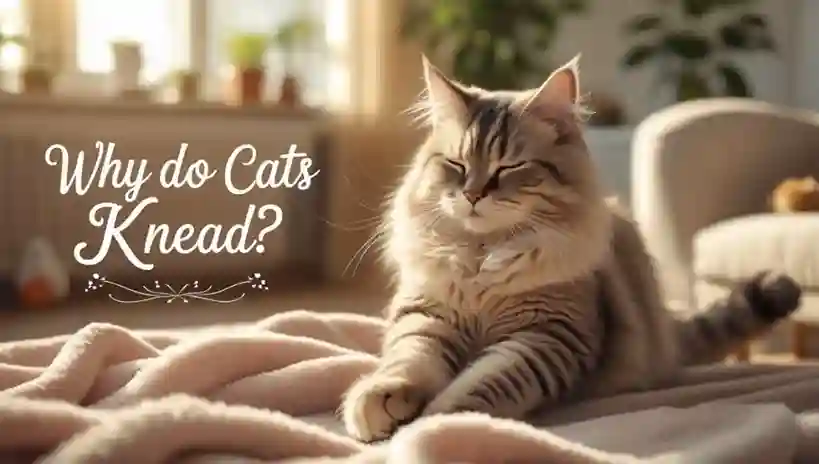
Kneading is the rhythmic motion cats make by pushing their paws in and out against a soft surface, often alternating between their left and right paws. It’s a bit like kneading dough (hence the name), and it’s usually accompanied by a blissful expression, half-closed eyes, and sometimes even a gentle purr. Cat owners often refer to this behavior as “making biscuits” because it looks like their feline is preparing a batch of fluffy dough.
This behavior is entirely normal and typically starts in kittenhood, but it can continue well into adulthood. While kneading is most commonly associated with contentment, there are several reasons why cats do it, and the motivations can vary from one cat to another. Let’s explore the top reasons behind this adorable habit.
Why Do Cats Knead? 6 Key Reasons Behind the Behavior
Cats knead for a variety of reasons, ranging from instinctual behaviors to emotional expressions. Here are the six most common explanations for why your cat might be “making biscuits” on your lap or favorite throw blanket.
Instinctual Roots from Kittenhood
One of the primary reasons cats knead traces back to their earliest days as kittens. When nursing, kittens press their tiny paws against their mother’s mammary glands to stimulate milk flow. This repetitive motion becomes associated with nourishment, warmth, and safety.
Even as adult cats, this instinctual behavior persists. When your cat kneads, they may be tapping into those early memories of comfort and security. It’s like a feline version of nostalgia—kneading takes them back to the cozy days of snuggling with mom and siblings.
Marking Their Territory
Cats are territorial creatures, and kneading is one way they claim their space. Cats have scent glands in their paw pads, and when they knead, they release their unique scent onto the surface they’re working on. This is their way of saying, “This blanket (or human) belongs to me!”
So, the next time your cat kneads your lap, take it as a compliment—they’re marking you as part of their inner circle. It’s a subtle but powerful way for cats to establish their territory and feel secure in their environment.
A Sign of Comfort and Contentment
Ever notice how your cat kneads when they’re curled up in a sunny spot or nestled in your lap? Kneading is often a sign that your cat is relaxed and content. The rhythmic motion, combined with purring, is a clear indicator that your feline friend is in their happy place.
Think of kneading as your cat’s version of a cozy self-hug. It’s a behavior that signals they feel safe, loved, and at ease in their surroundings.
Emotional Bonding and Affection
Kneading isn’t just about physical comfort—it’s also a way for cats to express affection. When your cat kneads you, they’re showing that they trust and love you. It’s a bonding ritual that strengthens the connection between you and your feline companion.
In fact, some cats knead more frequently when they’re around their favorite humans. So, if your cat chooses your lap as their kneading spot, consider it a heartfelt “I love you” in feline language.
Preparing a Cozy Spot
Cats are masters of comfort, and kneading may be their way of fluffing up a surface to make it just right for a nap. In the wild, cats’ ancestors would pat down grass or leaves to create a soft, comfortable resting spot. Domestic cats carry on this tradition by kneading blankets, cushions, or even your stomach to create the perfect snooze zone.
Next time you see your cat kneading their bed before settling in, know that they’re channeling their inner interior designer to craft the coziest nook possible.
Stress Relief and Self-Soothing
While kneading is often associated with happiness, it can also serve as a coping mechanism for stress or anxiety. The repetitive motion of kneading can be soothing for cats, helping them calm down in unfamiliar or overwhelming situations.
If your cat kneads excessively or in response to changes in their environment (like a move or a new pet), it might be their way of self-soothing. In these cases, offering extra attention and a stable routine can help ease their stress.
The Science Behind Kneading: What Experts Say?
Behavioral experts and veterinarians agree that kneading is a multifaceted behavior rooted in both biology and psychology. According to Dr. Mikel Delgado, a certified cat behavior consultant, kneading is a “hardwired” behavior that serves multiple purposes, from survival instincts to emotional expression.
From a neurological perspective, kneading triggers the release of endorphins—feel-good chemicals that promote relaxation and happiness. This explains why cats often look so blissful while kneading. The act itself is a self-rewarding behavior, reinforcing the cycle of kneading whenever they feel comfortable or secure.
Additionally, studies on feline scent-marking suggest that kneading plays a role in chemical communication. The scent glands in a cat’s paws release pheromones, which carry messages about territory and familiarity. This is why your cat might knead the same blanket or spot repeatedly—it’s their way of reinforcing their “home base.”
Do All Cats Knead? Exploring Variations in Behavior
While kneading is common, not all cats do it, and the frequency and intensity can vary widely. Some cats knead daily, while others may only do it occasionally or not at all. Factors like personality, upbringing, and environment can influence whether a cat kneads.
For example:
- Kittens weaned early may knead more frequently as adults, as they seek to recreate the comfort of nursing.
- Shy or anxious cats might knead less often, especially if they’re not fully relaxed in their surroundings.
- Breed differences can also play a role. Breeds like Siamese and Ragdolls, known for their affectionate nature, may knead more than independent breeds like the Russian Blue.
If your cat doesn’t knead, don’t worry—it doesn’t mean they’re unhappy or less bonded with you. Every cat expresses affection and comfort in their own unique way.
When Kneading Becomes a Problem: Tips for Cat Owners
While kneading is usually harmless, it can sometimes become uncomfortable or problematic, especially if your cat’s claws are sharp or they knead obsessively. Here are some tips to manage kneading without discouraging your cat’s natural behavior:
- Trim Their Nails Regularly: Keep your cat’s claws trimmed to prevent scratches during kneading sessions. If you’re unsure how to do this safely, ask your vet for a demonstration.
- Use a Barrier: Place a thick blanket or towel between your lap and your cat to protect your skin from enthusiastic kneading.
- Redirect to a Soft Surface: If your cat’s kneading is too intense, gently guide them to a plush toy or blanket to knead instead.
- Monitor for Stress: Excessive kneading, especially paired with other behavioral changes, could signal stress or health issues. Consult a vet if you’re concerned.
- Positive Reinforcement: Reward your cat with treats or affection when they knead gently or on appropriate surfaces.
Common Myths About Cat Kneading—Debunked!
There are plenty of misconceptions about why cats knead. Let’s set the record straight on a few popular myths:
- Myth #1: Only Happy Cats Knead
Truth: While kneading is often a sign of contentment, cats may also knead when stressed or anxious as a way to self-soothe. - Myth #2: Kneading Means Your Cat Is Hungry
Truth: Kneading is more about comfort and instinct than hunger. However, some cats may knead near mealtime due to excitement. - Myth #3: Kneading Is a Sign of Dominance
Truth: Kneading is not about asserting dominance. It’s a behavior rooted in comfort, bonding, and territorial marking. - Myth #4: All Cats Knead the Same Way
Truth: Every cat has their own kneading style. Some use all four paws, while others stick to just the front two. The intensity and frequency vary too.
Fun Facts About Cat Kneading You’ll Love
- Kneading Has Nicknames Galore: In addition to “making biscuits,” cat owners call kneading “padding,” “treading,” or even “playing the piano.”
- It’s Not Just Domestic Cats: Big cats like lions and tigers also knead in the wild, though they’re usually fluffing up grass or leaves.
- Kneading Can Be Vocal: Some cats purr, meow, or even “chirp” while kneading, adding to the charm of the moment.
- It’s a Lifelong Habit: Many cats continue kneading into their senior years, proving that this behavior is a lifelong source of comfort.
How to Encourage or Redirect Kneading Behavior?
Want to make the most of your cat’s kneading moments? Here’s how to encourage or redirect this behavior in a way that works for both of you:
- Create Kneading-Friendly Zones: Provide soft blankets, pet beds, or even a dedicated “kneading pillow” to encourage your cat to knead in specific spots.
- Bond During Kneading Sessions: Use kneading time to strengthen your bond by petting your cat gently or speaking to them in a soothing voice.
- Avoid Punishment: Never scold or push your cat away while they’re kneading. Instead, redirect them to a more suitable surface if needed.
- Observe Their Preferences: Pay attention to what surfaces your cat loves to knead. Some prefer fuzzy fabrics, while others go for smooth textures.
Conclusion
Kneading is one of the many ways cats communicate their feelings, instincts, and personality. Whether your feline is marking their territory, reliving kittenhood memories, or simply saying “I love you,” this behavior is a window into their world. By understanding why cats knead, you can deepen your bond with your furry friend and appreciate their quirks even more.
So, the next time your cat starts “making biscuits” on your lap, take a moment to savor the moment. It’s a sign that your cat feels safe, loved, and right at home with you. And if those claws get a bit too enthusiastic, just keep a blanket handy and enjoy the purr-fect cuddles.
Have a kneading story to share? Drop it in the comments below, and let’s celebrate the magic of our biscuit-making kitties together!