
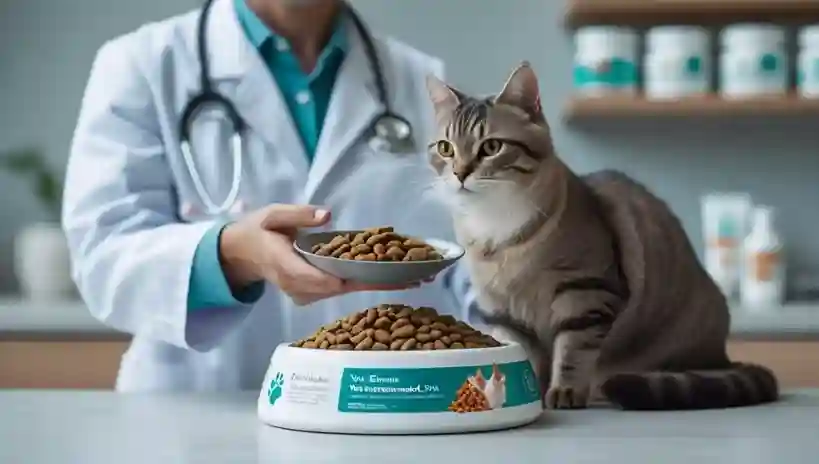
As a devoted cat parent, you want nothing but the best for your feline friend. From their playful antics to their soothing purrs, cats bring joy to our lives, and ensuring their health is a top priority. One of the most critical factors in your cat’s well-being is their diet. But with countless cat food brands lining pet store shelves and online marketplaces, how do you choose the right one? The answer lies in vet-recommended cat food—formulations trusted by veterinarians to meet your cat’s unique nutritional needs.
In this comprehensive guide, we’ll dive deep into what makes vet-recommended cat food stand out, why it’s essential for your cat’s health, and how to choose the best options for kittens, adults, and senior cats. We’ll also explore top vet-endorsed brands, common dietary concerns, and expert tips to keep your cat thriving.
Whether you’re a first-time cat owner or a seasoned pet parent, this guide will empower you to make informed decisions for your furry companion.
What Is Vet-Recommended Cat Food?
Vet-recommended cat food refers to brands or formulas that veterinarians endorse based on their nutritional quality, ingredient standards, and ability to meet the specific dietary needs of cats. Cats are obligate carnivores, meaning their bodies require a diet rich in animal-based proteins and specific nutrients like taurine, which are critical for heart, eye, and overall health. Unlike dog food or human food, cat food must be precisely formulated to support their unique metabolism.
Veterinarians recommend cat food based on:
- Nutritional Balance: Meets guidelines set by organizations like the Association of American Feed Control Officials (AAFCO).
- High-Quality Ingredients: Prioritizes animal proteins, healthy fats, and minimal fillers like corn or soy.
- Specialized Formulas: Addresses specific health conditions (e.g., urinary health, weight management, or sensitive stomachs).
- Scientific Backing: Supported by research and testing to ensure safety and efficacy.
By choosing vet-recommended cat food, you’re investing in your cat’s long-term health, potentially preventing costly medical issues down the road.
Why Your Cat’s Diet Is a Game-Changer
A proper diet does more than just fill your cat’s belly—it fuels their energy, supports their immune system, and promotes a shiny coat, strong bones, and a healthy weight. Poor nutrition, on the other hand, can lead to a host of problems, including:
- Obesity, which affects over 50% of cats in the U.S., according to the American Veterinary Medical Association (AVMA).
- Urinary tract issues, such as feline lower urinary tract disease (FLUTD).
- Dental disease, which impacts up to 70% of cats by age three.
- Chronic conditions like diabetes or kidney disease, often linked to improper nutrition.
Vet-recommended cat food is designed to mitigate these risks by providing balanced nutrition tailored to your cat’s life stage, health needs, and lifestyle. Let’s break down what to look for when selecting the best food for your cat.
Key Features of Vet-Recommended Cat Food
When shopping for vet-recommended cat food, keep these essential factors in mind:
1. High-Quality Protein Sources
Cats thrive on animal-based proteins like chicken, turkey, fish, or beef. Look for foods listing a named protein as the first ingredient (e.g., “chicken” rather than “poultry by-products”).
2. Essential Nutrients
Nutrients like taurine, omega-3 fatty acids, and vitamins A, D, and E are non-negotiable for feline health. Vet-recommended foods ensure these are present in optimal amounts.
3. Low Carbohydrates
Cats have limited ability to process carbs, and high-carb diets can contribute to obesity and diabetes. Opt for foods with minimal grains or fillers.
4. Wet vs. Dry Food
Both wet and dry foods have benefits:
- Wet Food: High moisture content supports hydration and urinary health, ideal for cats prone to kidney or urinary issues.
- Dry Food: Convenient and helps reduce tartar buildup for dental health.
Many vets suggest a mix of both for balanced nutrition.
5. Life Stage Appropriateness
Kittens, adults, and seniors have different nutritional needs:
- Kittens: Need calorie-dense food for growth.
- Adults: Require maintenance diets to support energy and weight.
- Seniors: Benefit from formulas for joint health and digestion.
Top Vet-Recommended Cat Food Brands
Here are five vet-recommended cat food brands known for their quality and efficacy. (Note: Always consult your vet before switching foods.)
1. Hill’s Science Diet
- Why Vets Love It: Backed by extensive research, Hill’s offers formulas for specific health needs, like weight management or urinary health.
- Best For: Cats with medical conditions.
- Top Pick: Hill’s Science Diet Adult Urinary & Hairball Control (wet or dry).
2. Royal Canin
- Why Vets Love It: Tailored to breeds, life stages, and health conditions, with precise nutrient profiles.
- Best For: Breed-specific needs (e.g., Persian or Maine Coon).
- Top Pick: Royal Canin Feline Health Nutrition Adult Instinctive (wet).
3. Purina Pro Plan
- Why Vets Love It: Affordable yet high-quality, with options for sensitive stomachs and weight control.
- Best For: Budget-conscious owners.
- Top Pick: Purina Pro Plan Veterinary Diets HA Hydrolyzed (for allergies).
4. Blue Buffalo Veterinary Diet
- Why Vets Love It: Focuses on natural ingredients with grain-free options for sensitive cats.
- Best For: Cats with food sensitivities.
- Top Pick: Blue Buffalo Natural Veterinary Diet W+U Weight Management + Urinary Care.
5. Iams ProActive Health
- Why Vets Love It: Combines affordability with vet-endorsed nutrition for overall wellness.
- Best For: Everyday maintenance.
- Top Pick: Iams ProActive Health Adult Indoor Weight & Hairball Care (dry).
Pro Tip: Check with your veterinarian to ensure these brands align with your cat’s specific health needs.
Common Dietary Concerns and Solutions
Cats can develop dietary issues that require specialized nutrition. Here’s how vet-recommended cat food can help:
1. Obesity
- Solution: Look for low-calorie, high-fiber formulas like Hill’s Prescription Diet Metabolic. Feed measured portions and avoid free-feeding.
2. Urinary Health
- Solution: Wet foods with high moisture content, like Royal Canin Urinary SO, promote hydration and reduce crystal formation.
3. Food Allergies
- Solution: Hypoallergenic diets like Purina Pro Plan Veterinary Diets HA Hydrolyzed use hydrolyzed proteins to minimize allergic reactions.
4. Senior Cat Health
- Solution: Senior-specific formulas, such as Iams ProActive Health Senior, support joint health and digestion with added antioxidants.
5. Dental Health
- Solution: Dry foods with dental benefits, like Hill’s Science Diet Oral Care, help reduce plaque and tartar.
How to Choose the Right Vet-Recommended Cat Food
Selecting the best cat food involves more than picking a vet-endorsed brand. Follow these steps:
- Consult Your Vet: Discuss your cat’s health, age, and lifestyle to identify specific needs.
- Read Labels: Ensure the food meets AAFCO standards and lists high-quality ingredients.
- Consider Your Cat’s Preferences: Some cats prefer wet food, while others love kibble. Experiment to find what they enjoy.
- Monitor Health Changes: Watch for improvements in coat, energy, or digestion after switching foods.
- Transition Gradually: Mix new food with the old over 7–10 days to avoid digestive upset.
Expert Tips for Feeding Your Cat
- Portion Control: Follow feeding guidelines on the package and adjust based on your cat’s weight and activity level.
- Fresh Water: Always provide clean water, especially for cats on dry food diets.
- Avoid Human Food: Table scraps can upset your cat’s stomach and lead to nutrient imbalances.
- Regular Vet Checkups: Annual exams help catch dietary issues early.
- Treats in Moderation: Limit treats to 10% of daily calories to prevent weight gain.
FAQs About Vet-Recommended Cat Food
Q: Is grain-free cat food better?
A: Not necessarily. Grain-free diets are helpful for cats with specific allergies but aren’t inherently superior. Consult your vet.
Q: Can I mix wet and dry food?
A: Yes! Combining wet and dry food provides hydration and dental benefits. Ensure portions are balanced.
Q: How often should I feed my cat?
A: Most adult cats do well with two meals daily. Kittens may need three to four smaller meals.
Q: Are prescription diets worth it?
A: For cats with medical conditions, prescription diets can be life-changing. Always follow your vet’s guidance.
Conclusion: Invest in Your Cat’s Health Today
Your cat deserves the best, and choosing vet-recommended cat food is a powerful way to support their health and happiness. By prioritizing high-quality ingredients, essential nutrients, and formulas tailored to your cat’s needs, you’re setting them up for a vibrant, purr-filled life. Start by consulting your veterinarian, exploring trusted brands like Hill’s Science Diet or Royal Canin, and making gradual changes to your cat’s diet.
Ready to take the next step? Visit your local pet store or browse online for vet-recommended cat food options. Your feline friend will thank you with every playful leap and cozy cuddle.
Have questions about your cat’s diet? Share them in the comments below or reach out to your vet for personalized advice!


