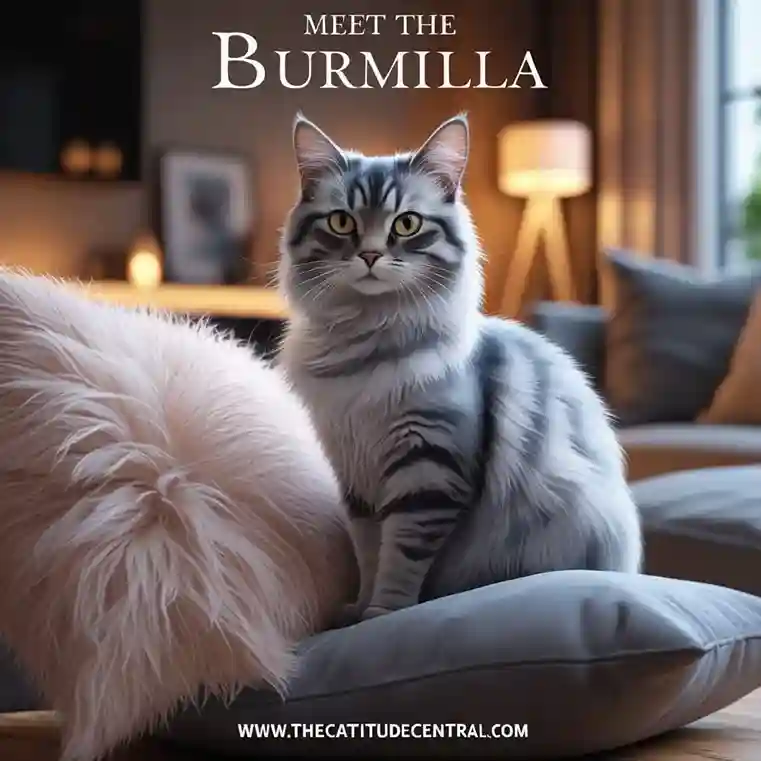
If you’ve ever been captivated by a cat whose coat is a mosaic of swirling tortoiseshell colors and bold tabby stripes, you’ve likely asked the same question countless cat lovers do: “What kind of cat is that?” You’re not just looking at a pretty pattern—you’re seeing the unique hallmark of the tortoiseshell tabby mix, a feline more commonly known by its charming nickname: the Torbie.
This stunning coat isn’t a random fluke but the result of fascinating feline genetics. While our Ultimate Guide to Torbie Cats covers everything in detail, this article focuses specifically on answering the questions surrounding the “tortoiseshell tabby mix” description.
We’ll decode their one-of-a-kind appearance, explain the genetics that make them so special, and introduce you to the big personality—often called “tortitude”—packed into this beautifully patterned cat. Get ready to become an expert on identifying and understanding these walking works of art.
Key Takeaways: Tortoiseshell Tabby Mix at a Glance
🐱 Quick Summary
- What is it? A tortoiseshell tabby mix (called a Torbie) is a cat with a coat that combines the mottled colors of a tortoiseshell and the stripes of a tabby.
- Rarity: These cats are less common than regular tabbies or torties due to their specific genetics.
- Gender: Over 99% of tortoiseshell tabby mixes are female.
- Temperament: Known for “tortitude” – a sassy, independent, but fiercely loyal and affectionate personality.
- Identification: Look for tabby stripes within the darker-colored patches and a distinctive “M” on the forehead.
- Not a Breed: This is a coat pattern, not a specific breed, and can appear in many cat breeds.
What is a Tortoiseshell Tabby Mix? (The Torbie Explained)
A tortoiseshell tabby mix – commonly called a Torbie – is exactly what its name suggests: a beautiful genetic blend where a cat displays both the mottled patches of a tortoiseshell and the distinctive stripes, spots, or swirls of a tabby. The name “Torbie” itself is a portmanteau of “tortoiseshell” and “tabby,” perfectly describing this hybrid pattern.
Unlike solid-colored cats or those with just one pattern type, the Torbie’s coat is a complex tapestry. You’ll see the classic tortoiseshell blend of black, orange, and cream, but look closer – the black or gray areas aren’t solid. Instead, they’re overlaid with clear tabby markings, creating what’s often called a “patched tabby” appearance. This means every Torbie cat is truly one-of-a-kind; no two will ever have the same arrangement of colors and stripes.
Visual Identification Tips:
- Mixed patterns: Swirling colors PLUS distinct stripes
- Tabby “M” on forehead (a classic tabby marker)
- Striped legs and tail
- Brindled appearance where colors blend together
- Often appears like a “striped tortoiseshell”
This unique combination occurs when a cat inherits both the genetic codes for tortoiseshell coloring and tabby patterning. While Torbies can appear in many breeds, they’re most commonly found in domestic shorthairs and longhairs. For a comprehensive look at all aspects of these fascinating felines, our Ultimate Guide to Torbie Cats covers everything from history to detailed care instructions.
Torbie vs. Tortie vs. Tabby: A Simple Visual Guide
It’s easy to get these beautiful coat patterns confused! Here’s the essential difference: A Tabby has stripes but not the tortoiseshell color mix. A Tortie (Tortoiseshell) has the mottled color mix but no stripes. A Torbie has both.
This quick comparison table makes it crystal clear:
| Pattern | Colors | Markings | Nickname |
|---|---|---|---|
| Torbie (Tortoiseshell Tabby Mix) | Black, Red, Orange, Cream | Both blended patches AND stripes | “Patched Tabby” |
| Tortoiseshell | Black, Red, Orange, Cream | Only blended patches – no stripes | “Tortie” |
| Tabby | Brown, Grey, Orange, etc. | Only stripes, spots, or swirls | “Tabby” |
Quick Identification Tips:
- See stripes on the legs, tail, or face? + See mixed orange/black patches? = TORBIE
- See mixed orange/black patches but NO stripes = TORTIE
- See clear stripes but NO mixed orange/black patches = TABBY
The most common confusion occurs between Torbies and Torties since both have the signature mottled coloring. The giveaway is in the stripes – if the darker patches show any tabby patterning, you’re looking at a Torbie. This unique combination of both patterns is what makes the tortoiseshell tabby mix so special and visually striking.
The Genetics Behind the Pattern: Why Torbies Are Unique
The stunning appearance of a tortoiseshell tabby mix isn’t random artistry—it’s a fascinating display of feline genetics in action. Understanding the science behind their coat reveals why these cats are so special.
The Color Foundation: Why They’re Mostly Female
- X Chromosome Magic: The genes for orange and black coat colors reside on the X chromosome.
- Two X Chromosomes Required: Female cats (XX) can carry both orange and black genes, which are expressed in random patches—creating the tortoiseshell base.
- Male Torbies Are Rare: Males (XY) typically have only one X chromosome, making it nearly impossible to display both colors. The rare male Torbie exists due to a genetic anomaly (XXY) and is almost always sterile.
The Pattern Layer: Where Tabby Meets Tortie
- The Agouti Gene: This gene determines whether hair strands have banding (tabby) or are solid.
- The Torbie Combo: A Torbie is created when a tortoiseshell cat (showing both colors) also carries the dominant agouti gene, creating tabby stripes within the darker patches.
Why Torbies Are Less Common
The tortoiseshell tabby mix represents a specific genetic recipe: two X chromosomes with color variation plus the dominant agouti gene. This precise combination is why Torbies are less frequently seen than regular tabbies or torties.
This genetic lottery doesn’t just create beautiful cats—it produces the unique torbie cat personality that many owners describe as extra spirited and memorable. The same genetic complexity that creates their striking appearance may contribute to their famously big personalities.
Identifying a Tortoiseshell Tabby Mix: Key Markers
Spotting a true tortoiseshell tabby mix involves looking for specific combinations of colors and patterns. Here’s what to check for to confirm you’ve found a Torbie:
The Definitive Signs:
- Stripes Within Patches: This is the most reliable indicator. Look closely at the darker (black, brown, or gray) areas of the coat. If you see clear tabby stripes within these patches, you’re looking at a Torbie.
- The “M” on the Forehead: All tabbies have this distinctive marking, and Torbies are no exception. Their forehead will display the classic tabby “M.”
- Mixed Pattern Areas: Some body sections might show classic tabby patterns (like swirls on the sides) while others show more blended tortoiseshell coloring.
Color Combinations to Look For:
- Black with red/orange tabby stripes
- Gray with cream tabby stripes
- Chocolate brown with orange tabby stripes
Common Misidentifications:
- Tortie with faint markings: Sometimes shadow markings can be mistaken for tabby stripes
- Patched tabbies with white: These are often calico or torbico patterns, not true Torbies
- Heavily striped orange/black cats: These may be classic tabbies, not the mixed pattern of a Torbie
Pro Tip: The most reliable way to identify a tortoiseshell tabby mix is to examine the black or gray sections of their coat. If those areas show clear stripes rather than being solid, you’ve found a Torbie!
The Torbie Temperament: More Than Just “Tortitude”
The tortoiseshell tabby mix brings together more than just coat patterns—it combines personality traits that make these cats truly unforgettable companions. While known for their famous “tortitude,” Torbies offer a complex blend of characteristics that set them apart.
Signature Personality Traits:
- Confidently Independent: Torbies possess a strong sense of self and often prefer to initiate affection on their terms
- Playfully Spirited: The tabby influence brings an energetic, curious nature that loves interactive games and exploration
- Vocal & Expressive: Don’t be surprised if your Torbie “talks back”—they’re known for communicating their opinions loudly and often
- Selectively Affectionate: They form deep bonds with chosen humans but may maintain some aloofness with strangers
- Intelligently Demanding: These quick learners will figure out how to open doors and remember exactly when mealtime should occur
What the Research Shows:
While comprehensive studies specifically on Torbies are limited, veterinary behaviorists note that the same X-chromosome genetics that create their unique coloring may influence their neurological development. This potential genetic link, combined with the tabby’s typically outgoing nature, creates the torbie cat personality that owners describe as “big” in every way.
Living with a Torbie:
Success with these cats comes from understanding their need for:
- Mental stimulation through puzzle toys and rotation of activities
- Consistent routines that make them feel secure
- Respect for their boundaries and independence
- Positive reinforcement training rather than forced interactions
The tortoiseshell tabby mix offers a rewarding challenge—their strong personality requires understanding and patience, but in return, they provide unmatched loyalty and entertainment. As one Torbie owner noted, “She keeps me on my toes, but I’ve never felt more chosen by a cat.”
Caring for Your Tortoiseshell Tabby Mix
While a Torbie’s care fundamentals are similar to any other cat, understanding their unique personality and potential needs ensures a happy, healthy life together.
Meeting Their Mental & Physical Needs:
- Engage Their Intelligent Mind: The combination of tabby curiosity and tortie determination means Torbies need plenty of mental stimulation. Rotate interactive toys, introduce puzzle feeders, and consider clicker training to challenge their smart brains and prevent boredom.
- Respect Their Independent Spirit: Torbies are known for their strong wills. Use positive reinforcement—never force—for grooming, handling, and training. Let them come to you for affection to build a trusting bond.
- Create a Predictable Environment: These cats often thrive on routine. Try to keep feeding, playtime, and other daily activities consistent to make your Torbie feel secure.
Grooming & Health Considerations:
- Regular Brushing: Grooming needs depend on coat length. Short-haired Torbies benefit from weekly brushing, while long-haired Torbies need more frequent care to prevent mats.
- Proactive Veterinary Care: There are no health issues exclusive to the Torbie coat pattern. However, as with any cat, schedule regular vet check-ups to monitor their overall health, dental hygiene, and weight.
Creating a Torbie-Friendly Home:
Provide vertical spaces like cat trees for climbing and safe perches for observation. This caters to their tabby-like love of heights and their tortie tendency to survey their kingdom. Ensure they have quiet retreats where they can be alone when needed.
FAQs About Tortoiseshell Tabby Mix
1. Are tortoiseshell tabby mixes always female?
Yes, almost always. The genetic combination that creates the classic tortoiseshell coloring requires two X chromosomes. Male Torbies are extremely rare (about 1 in 3,000) and are typically sterile due to a genetic condition (XXY).
2. What’s the difference between a calico and a tortoiseshell tabby mix?
The key difference is the amount of white. Calicos have large, distinct patches of white, black, and orange. Torbies have little to no white, with the black and orange colors being blended and striped together.
3. Are tortoiseshell tabby mixes a specific breed?
No. “Tortoiseshell tabby mix” (or Torbie) describes a coat pattern, not a breed. This pattern can appear in many breeds, including Domestic Shorthairs, Maine Coons, and American Shorthairs.
4. Why are tortoiseshell tabby mixes considered to have ‘tortitude’?
While not scientifically proven, many owners and breeders report that Torbies often have strong, confident, and sassy personalities. This is likely a combination of anecdotal evidence and the fact that their unique, striking appearance makes their personality more memorable.
5. How rare is a male tortoiseshell tabby mix?
They are exceptionally rare. Finding a male is a genetic anomaly. If you believe you have one, a veterinarian can perform genetic testing to confirm.
Conclusion: Your One-of-a-Kind Companion
The tortoiseshell tabby mix is far more than just a pretty coat. It’s a living testament to the fascinating complexity of feline genetics, resulting in a cat that is as unique in personality as it is in appearance. From their captivating blend of colors and stripes to their signature “tortitude,” Torbies offer a truly special companionship for the right person.
Caring for a Torbie means embracing their intelligence, respecting their independence, and cherishing their fierce, selective loyalty. They are not a cookie-cutter pet, but a vibrant individual whose bold personality will fill your home with character.
If this unique blend of beauty and spirit calls to you, consider checking your local shelters. Many amazing Torbies are waiting for a home that understands their special magic. Do you share your life with a Torbie? We’d love to hear your story in the comments below.
Sources:
- Cat Fanciers’ Association (CFA). Coat Color Genetics.
- International Cat Care. Feline Behaviour.
- VCA Animal Hospitals. Tortoiseshell Cat Genetics.
- The Cattitude Central. Torbie Cat: The Ultimate Guide.