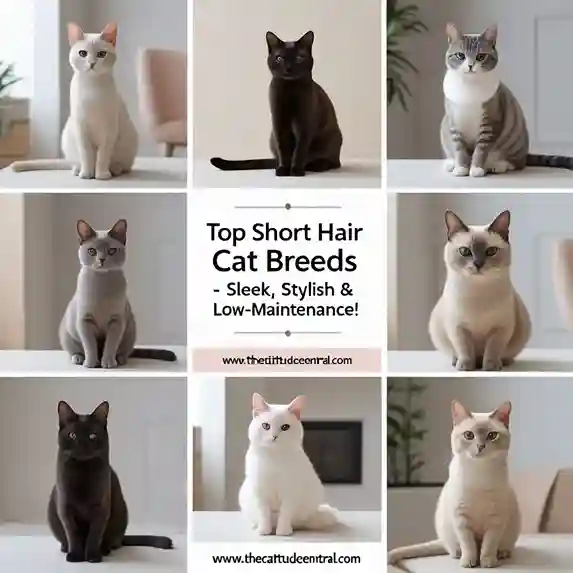
Are you dreaming of welcoming a feline friend into your home but overwhelmed by the sheer variety of cat breeds? If low-maintenance grooming and vibrant personalities are on your wish list, short hair cat breeds might be your ideal match. From the sleek Siamese to the playful Bengal, these cats offer a spectrum of looks, temperaments, and quirks that suit every lifestyle.
In this comprehensive guide, we’ll dive deep into the world of short hair cat breeds, exploring their characteristics, care needs, popular breeds, and tips for choosing the perfect companion. Whether you’re a first-time cat owner or a seasoned enthusiast, this 4,000+ word journey will equip you with everything you need to know.
Introduction to Short Hair Cat Breeds
Short hair cat breeds are defined by their coats, typically less than 1.5 inches long, which lie close to the body in textures ranging from sleek and silky to dense and plush. Unlike their long-haired counterparts, these breeds require minimal grooming, making them a favorite for busy households. But it’s not just about low maintenance—short hair cat breeds offer incredible diversity in appearance, personality, and adaptability. From the vocal Siamese to the reserved Russian Blue, there’s a short-haired feline for every preference.
Why focus on short hair cat breeds? They appeal to owners seeking pets that are easier to care for while still offering the companionship and charm cats are known for. Whether you live in a cozy apartment or a sprawling house, these breeds adapt to various environments, making them versatile companions. This guide aims to be your go-to resource, covering everything from breed characteristics to care tips, ensuring you find the perfect short hair cat breed for your lifestyle.
Characteristics of Short Hair Cat Breeds
Coat Features
The hallmark of short hair cat breeds is their coat, which varies in texture and appearance. Siamese cats boast sleek, glossy coats that reflect light, while British Shorthairs have dense, plush fur that feels like a teddy bear. Abyssinians sport ticked coats, creating a shimmering effect, and Devon Rex cats have wavy, almost curly fur. These coats shed less than long-haired breeds, reducing hairballs and matting, but regular brushing (once a week) keeps them glossy and healthy.
Temperament Generalizations
The personalities of short hair cat breeds are as varied as their looks. Abyssinians are energetic explorers, always climbing or chasing toys, while British Shorthairs prefer lounging with a calm demeanor. Siamese and Oriental Shorthairs are vocal, often “talking” to their owners, while Russian Blues are quieter and more reserved. Many short-haired breeds are social, enjoying human interaction or play with other pets, making them ideal for families or multi-pet homes.
Health and Maintenance
Short hair cat breeds generally face fewer coat-related issues like matting, but they still require standard care: nail trimming, dental hygiene, and regular vet visits. Some breeds have specific health concerns—Manx cats may develop spinal issues due to their tailless gene, while Siamese are prone to respiratory problems. With proper care, these breeds are generally hardy, with lifespans of 12–20 years.
Adaptability
One of the strengths of short hair cat breeds is their adaptability. American Shorthairs thrive in apartments, while Bengals love spacious homes where they can roam. Short coats offer less insulation, so they’re better suited to moderate or warm climates, but with cozy bedding, breeds like the Devon Rex can stay comfortable in cooler environments.
Popular Short Hair Cat Breeds
Let’s explore ten of the most beloved short hair cat breeds, each with unique traits that make them stand out.
Abyssinian
Appearance: Abyssinians are slender and elegant, with large ears and a short, ticked coat that gives a shimmering, multicolored effect (ruddy, blue, fawn).
Temperament: Playful and curious, they love climbing and exploring, often acting like little acrobats.
Care Needs: Minimal grooming; needs interactive toys to channel their high energy.
Unique Traits: Known for “dog-like” loyalty, Abyssinians often follow their owners around.
Health Notes: Monitor for dental issues (gingivitis) and rare kidney concerns (amyloidosis).
Siamese
Appearance: Sleek and slender with striking blue eyes and a glossy coat with color points (seal, chocolate, blue, lilac).
Temperament: Vocal and affectionate, Siamese form strong bonds and demand attention.
Care Needs: Low grooming; needs mental stimulation to avoid boredom.
Unique Traits: Their loud, distinctive meows make them “talkative” companions.
Health Notes: Prone to respiratory and dental issues; regular vet checks are key.
American Shorthair
Appearance: Medium to large with a muscular build and a dense coat in various colors (tabby, solid, bicolor).
Temperament: Friendly and easygoing, they’re great with families and other pets.
Care Needs: Minimal grooming; a hardy, low-maintenance breed.
Unique Traits: Known for longevity (15–20 years) and robust health.
Health Notes: Watch for obesity and occasional heart issues.
British Shorthair
Appearance: Stocky with a round head and plush, blue-gray coat (though other colors exist).
Temperament: Calm and reserved, they enjoy lounging but can be playful when young.
Care Needs: Weekly brushing; monitor diet to prevent obesity.
Unique Traits: Their “Cheshire Cat” smile and teddy-bear-like appearance are iconic.Health Notes: Pr-wrapping to obesity and hypertrophic cardiomyopathy.
Bengal
Appearance: Sleek and muscular with a short, spotted or marbled coat resembling a wild leopard.
Temperament: Energetic and intelligent, they love water and interactive play.
Care Needs: Minimal grooming; requires ample exercise and enrichment.
Unique Traits: A hybrid breed with Asian leopard cat ancestry, giving a wild look.
Health Notes: Monitor for heart disease (HCM) and digestive issues.
Russian Blue
Appearance: Elegant with a vivid blue-gray coat and striking green eyes.
Temperament: Gentle and loyal, they’re reserved with strangers but affectionate with owners.
Care Needs: Low grooming; potentially hypoallergenic due to low dander.
Unique Traits: Quiet, melodic voice and velvety coat texture.
Health Notes: Generally healthy; monitor for bladder stones and obesity.
Oriental Shorthair
Appearance: Slender with large ears and a sleek coat in over 300 color/pattern variations.
Temperament: Talkative and energetic, they thrive on attention.
Care Needs: Minimal grooming; needs social interaction to avoid boredom.
Unique Traits: Related to Siamese but with greater color variety.
Health Notes: Prone to respiratory and dental issues.
Devon Rex
Appearance: Pixie-like with large ears and a wavy, curly coat.
Temperament: Mischievous and social, they love being involved in activities.
Care Needs: Occasional baths due to oily skin; sensitive to cold.
Unique Traits: Potentially hypoallergenic; playful, “elf-like” demeanor.
Health Notes: Monitor for skin issues and heart conditions.
Manx
Appearance: Tailless or short-tailed with a sturdy body and dense coat.
Temperament: Friendly and dog-like, they enjoy human company.
Care Needs: Minimal grooming; monitor for spinal issues (Manx syndrome).
Unique Traits: Distinctive hopping gait and tailless variations.
Health Notes: Risk of spinal defects; regular vet checks needed.
Burmese
Appearance: Compact and muscular with a satin-like coat (sable, champagne, platinum).
Temperament: Affectionate and vocal, they love lap time.
Care Needs: Low grooming; monitor for respiratory or dental issues.
Unique Traits: “Brick wrapped in silk” feel due to heavy build and soft coat.
Health Notes: Prone to diabetes and respiratory issues.
Considerations for Choosing a Short Hair Cat Breed
Lifestyle Compatibility
Choosing the right short hair cat breed depends on your lifestyle. Active households suit high-energy breeds like Abyssinians or Bengals, which thrive on playtime and exploration. For quieter homes, British Shorthairs or Russian Blues offer calm companionship. Families with children may prefer the patient American Shorthair or Manx, which handle chaos well.
Allergy Considerations
No cat is truly hypoallergenic, but short hair cat breeds like Russian Blues and Devon Rex produce less dander, potentially easing allergy symptoms. Regular grooming, vacuuming, and air purifiers can further reduce allergens. Spend time with a breed before adopting to test for reactions.
Space and Environment
Short hair cat breeds adapt to various spaces. American Shorthairs and British Shorthairs thrive in apartments, while Bengals and Abyssinians need room to roam. Multi-pet homes benefit from friendly breeds like Manx, but reserved breeds like Russian Blue may need gradual introductions.
Time Commitment
High-energy short hair cat breeds like Bengals require significant playtime and enrichment, such as puzzle feeders or laser toys. Low-maintenance breeds like American Shorthairs suit busy owners with limited time. Consider your schedule when choosing a breed.
Health and Lifespan
Research breed-specific health risks, such as Siamese respiratory issues or Manx spinal concerns. Most short hair cat breeds live 12–20 years with proper care. American Shorthairs often reach the upper range, while regular vet checks ensure early detection of issues.
Care Tips for Short Hair Cat Breeds
Grooming
Short hair cat breeds need weekly brushing to remove loose hair and maintain coat health. Devon Rex cats may require occasional baths due to oily skin. Regular nail trimming (every 2–3 weeks), ear cleaning, and dental care (brushing or treats) prevent common issues like gingivitis, especially in Abyssinians.
Nutrition
A high-quality, balanced diet tailored to the breed’s activity level is crucial. Active Bengals need high-protein food, while British Shorthairs require portion control to avoid obesity. Fresh water and wet food support hydration, particularly for Russian Blues prone to urinary issues.
Exercise and Enrichment
Interactive toys like feather wands or laser pointers engage high-energy breeds like Bengals. Cat trees and scratching posts provide physical activity, while puzzle feeders stimulate intelligent breeds like Orientals. Window perches offer visual enrichment for indoor cats.
Veterinary Care
Annual check-ups catch breed-specific issues, such as heart conditions in British Shorthairs or spinal problems in Manx. Vaccinations, flea prevention, and spaying/neutering maintain health and prevent behavioral issues. Emergency care for conditions like Manx syndrome can be costly, so plan accordingly.
Environmental Considerations
Provide warm bedding for thin-coated breeds like Devon Rex in cooler climates. Secure windows and balconies for active short hair cat breeds like Abyssinians to prevent escapes. Hiding spots and perches create a safe, territorial space for all cats.
Breeding and Genetics of Short Hair Cat Breeds
Genetic Basis of Short Coats
Short hair is a dominant trait in cats, governed by the L gene, unlike the recessive l gene for long hair. Selective breeding enhances coat textures and patterns, such as the Bengal’s marbled spots or the Russian Blue’s vivid hue. This genetic focus shapes the unique aesthetics of short hair cat breeds.
Breeding Practices
Reputable breeders prioritize health and temperament, conducting tests for conditions like hypertrophic cardiomyopathy (HCM) or polycystic kidney disease (PKD). Ethical breeding avoids inbreeding, which can exacerbate issues like Manx syndrome. Hybrid breeds like Bengals require careful management to balance wild and domestic traits.
Health Screening
Common tests include heart ultrasounds for HCM (British Shorthair, Siamese) and DNA tests for kidney issues (Abyssinian). Breeders should provide health certificates and lineage records. Choosing a breeder with transparent practices ensures healthier short hair cat breeds.
Impact of Genetics on Temperament
Traits like Siamese vocalization or Abyssinian energy are heritable, reinforced through breeding. Domestic shorthairs, with greater genetic diversity, often exhibit resilient, adaptable personalities compared to some purebreds, making them a great choice for varied households.
Training and Behavior Management
Trainability of Short Hair Breeds
Intelligent short hair cat breeds like Siamese, Oriental Shorthairs, and Bengals excel at learning tricks, leash walking, or using puzzle toys. Positive reinforcement (treats, praise) is effective, while punishment can stress sensitive breeds like Russian Blue.
Common Behavioral Traits
Siamese and Oriental Shorthairs may meow excessively if bored, while Bengals can be destructive without exercise. Burmese and Devon Rex seek physical closeness, needing lap time. Understanding these traits helps tailor training and enrichment.
Addressing Undesirable Behaviors
Scratching can be redirected to posts, and nail trimming helps. Aggression in reserved breeds like Russian Blue requires early socialization. Litter box issues, common in stressed Manx, may need vet consultation or cleaner boxes.
Enrichment for Behavioral Health
Rotate toys to keep short hair cat breeds engaged, especially high-energy ones. Clicker training works for intelligent breeds, while window perches or bird feeders provide visual stimulation, reducing boredom and stress.
Community and Resources for Short Hair Cat Owners
Cat Shows and Breed Clubs
Organizations like the Cat Fanciers’ Association (CFA) and The International Cat Association (TICA) host shows where short hair cat breeds like Siamese and British Shorthairs compete. Breed clubs (e.g., Siamese Cat Club) offer networking and education.
Online Communities
Forums like Reddit’s r/cats or TheCatSite.com provide tips and support for owners of short hair cat breeds. Social media groups for specific breeds (e.g., Bengal Cat Club) connect enthusiasts for advice and stories.
Rescue and Adoption Networks
Breed-specific rescues (e.g., Siamese Rescue) and general shelters like the ASPCA offer adoptable short hair cat breeds. Platforms like Petfinder.com help locate cats in your area.
Educational Resources
Books like “The Cat Owner’s Manual” by Dr. Bruce Fogle or websites like Cornell Feline Health Center provide in-depth care advice. Veterinary webinars and local workshops educate owners on nutrition and grooming.
Additional Considerations
Adoption vs. Breeder
Shelters offer short-haired cats, including purebreds, for $50–$150, supporting ethical pet ownership. Breeders charge $500–$2,000+ for purebreds like Bengals, offering health guarantees. Research breeders via CFA/TICA to avoid kitten mills.
Cost of Ownership
Initial costs (adoption, supplies) range from $200–$2,500. Annual costs (food, litter, vet care) average $500–$1,000. Emergency care for issues like Manx syndrome can be costly, so budget accordingly.
Cultural and Historical Context
Many short hair cat breeds have ancient roots: Siamese from Thailand, Abyssinians possibly from Ethiopia. American and British Shorthairs served as working cats, controlling rodents. Modern breeding enhances traits like the Bengal’s wild look.
Mixes and Non-Purebred Short-Haired Cats
Domestic shorthairs, common in shelters, offer diverse looks (tabby, tortoiseshell) and robust health due to genetic diversity. They often mimic purebred traits, making them a great, affordable option.
Frequently Asked Questions (FAQs) About Short Hair Cat Breeds
What are the most popular short hair cat breeds?
Siamese, Abyssinian, British Shorthair, American Shorthair, and Bengal are among the most popular due to their diverse traits and low-maintenance coats.
Are short hair cat breeds hypoallergenic?
No cat is fully hypoallergenic, but Russian Blues and Devon Rex produce less dander, potentially easing allergies. Test with the breed first.
How much grooming do short hair cat breeds need?
Weekly brushing suffices for most; Devon Rex may need baths due to oily skin. Regular nail and dental care is also needed.
Which short hair cat breed is best for families with children?
American Shorthairs and Manx are patient and adaptable, ideal for kids.
Do short hair cat breeds shed a lot?
They shed less than long-haired breeds; Siamese and Russian Blues shed minimally with regular brushing.
What is the lifespan of short hair cat breeds?
Most live 12–20 years; American Shorthairs often reach the upper range with proper care.
Are short hair cat breeds good for apartments?
Yes, American Shorthairs and British Shorthairs adapt well; Bengals need more space and enrichment.
Which short hair cat breeds are the most affectionate?
Burmese, Siamese, and Devon Rex are highly affectionate, seeking close bonds.
Can short hair cat breeds live with other pets?
American Shorthairs and Manx coexist well; reserved breeds like Russian Blue need gradual introductions.
How much do short hair cat breeds cost to adopt or buy?
Adoption costs $50–$150; breeder prices range from $500–$2,000+ for purebreds.
Conclusion
Short hair cat breeds offer a delightful blend of low-maintenance care, diverse personalities, and striking appearances. From the playful Abyssinian to the affectionate Burmese, there’s a breed for every home, whether you’re in a bustling family or a quiet apartment. By understanding their characteristics, care needs, and unique traits, you can choose a feline companion that fits your lifestyle. Explore adoption options at local shelters or connect with reputable breeders to start your journey with a short hair cat breed. With proper care, your new friend will bring joy for years to come.
Sources
- Cat Fanciers’ Association (CFA): cfa.org
- The International Cat Association (TICA): tica.org
- Cornell Feline Health Center: vet.cornell.edu
- Petfinder: petfinder.com
- Fogle, Bruce. The Cat Owner’s Manual. DK Publishing, 2004.