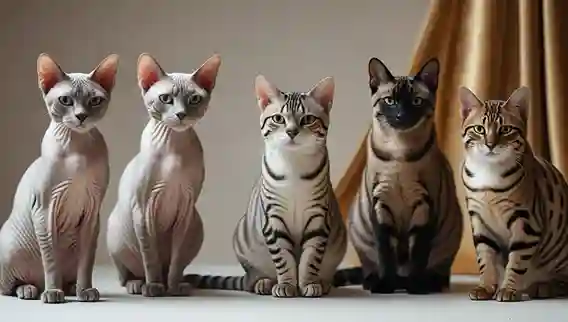
Cats have captivated human hearts for centuries, with their grace, independence, and unique personalities. While popular breeds like the Persian and Siamese dominate the pet world, rare cat breeds offer a glimpse into the extraordinary diversity of felines. These uncommon breeds, often defined by limited populations, unique physical traits, or niche recognition, hold a special allure for cat enthusiasts, breeders, and conservationists. From the wild-inspired Savannah to the werewolf-like Lykoi, rare cat breeds embody the beauty of genetic diversity and cultural heritage. This blog post delves into the origins, characteristics, care requirements, and conservation efforts surrounding these exotic felines, providing a comprehensive guide for anyone intrigued by the world of rare cats. Whether you’re a seasoned cat owner or simply curious, join us as we explore the captivating realm of these unique feline companions.
Criteria for Rarity in Cat Breeds
What makes a cat breed rare? Rarity in feline breeds stems from several factors:
- Limited Population: Rare cat breeds often have small breeding pools, sometimes numbering only a few hundred globally, as seen with the Sokoke or Ojos Azules.
- Geographic Isolation: Breeds like the Khao Manee, primarily found in Thailand, are scarce outside their native regions due to limited exportation.
- Recent Development: New or experimental breeds, such as the Lykoi or Minskin, are rare because they’re still in early breeding stages.
- Lack of Recognition: Many rare breeds lack full recognition from major feline registries like the Cat Fanciers’ Association (CFA) or The International Cat Association (TICA), limiting their visibility.
Unlike common breeds like the Maine Coon or Abyssinian, which boast large populations and widespread recognition, rare cat breeds face challenges in gaining traction due to their exclusivity. This scarcity enhances their appeal but also raises questions about their sustainability and care, making them a fascinating subject for cat lovers.
Overview of Selected Rare Cat Breeds
Rare cat breeds stand out for their unique appearances and personalities. Below, we explore some of the most captivating exotic felines, each with distinct origins and traits.
Savannah
Origin: The Savannah, a hybrid breed, emerged in the 1980s in the United States from crossing a domestic cat with a serval, a wild African cat. The goal was to create a domestic feline with a wild aesthetic.
Physical Traits: Savannahs are tall and slender, with long legs, large ears, and a spotted coat resembling a cheetah. They weigh 12–25 pounds, with earlier generations (F1, F2) being larger due to closer wild ancestry.
Temperament: Known for their high energy and intelligence, Savannahs exhibit dog-like behaviors, such as leash walking and fetching. They’re loyal but may be aloof with strangers, requiring experienced owners.
Rarity Factors: Their high cost ($1,000–$20,000), complex breeding (due to fertility issues in early generations), and legal restrictions in regions like Australia make Savannahs exceptionally rare.
Unique Considerations: These active cats need ample space and stimulation, making them unsuitable for small apartments.
Lykoi (Werewolf Cat)
Origin: Discovered in 2010 in Virginia, USA, the Lykoi is a natural mutation from domestic shorthair cats, earning its “werewolf cat” nickname from its unique appearance.
Physical Traits: Lykois have a sparse, roan-like coat, giving a partially hairless, wolf-like look. Their slender bodies weigh 4–8 pounds, with patchy fur concentrated around the face.
Temperament: Playful, affectionate, and loyal, Lykois bond closely with owners and display strong hunting instincts, making them engaging companions.
Rarity Factors: With only a few hundred registered globally and limited breeding programs, the Lykoi remains a rare breed, still gaining TICA recognition.
Unique Considerations: Their sensitive skin requires protection from sun and cold, necessitating special care.
Khao Manee
Origin: Native to Thailand, the Khao Manee has been revered for centuries as a royal cat, symbolizing good luck. Its name means “white gem” in Thai.
Physical Traits: These cats boast a pure white, short coat and striking blue or heterochromatic (one blue, one green/gold) eyes. They have elegant, medium-sized bodies weighing 8–12 pounds.
Temperament: Friendly, vocal, and social, Khao Manees thrive on human interaction and share Siamese-like intelligence and playfulness.
Rarity Factors: Limited exportation due to cultural significance and a small global population make this breed rare outside Thailand.
Unique Considerations: Blue-eyed Khao Manees are prone to deafness, requiring vigilant health monitoring.
Sokoke
Origin: Found in the 1970s in Kenya’s Arabuko-Sokoke Forest, this breed likely descends from local landrace cats, blending wild and domestic traits.
Physical Traits: Sokokes have slender, elongated bodies (6–10 pounds), long legs, and a unique tabby-like coat with “African ticking,” creating a marbled pattern.
Temperament: Active, playful, and independent, Sokokes have strong hunting instincts but are affectionate with familiar humans.
Rarity Factors: Their small population, primarily in Kenya, and limited breeding programs contribute to their rarity, with recognition by FIFe and TICA.
Unique Considerations: High-energy Sokokes need ample space and enrichment to thrive.
Minskin
Origin: Developed in the early 2000s in the USA, the Minskin is a cross between Munchkin, Sphynx, Devon Rex, and Burmese cats, creating a unique dwarf breed.
Physical Traits: Minskins have short legs, hairless or short-coated skin, and compact bodies (4–6 pounds). Their rounded heads feature large eyes and ears.
Temperament: Affectionate, curious, and social, Minskins adapt well to indoor life and enjoy human company.
Rarity Factors: As an experimental breed with limited breeders and partial CFA recognition, Minskins are scarce.
Unique Considerations: Their hairless skin requires regular cleaning and protection from temperature extremes.
Chausie
Origin: A 1990s hybrid from crossing domestic cats with the jungle cat (Felis chaus), the Chausie blends wild and domestic traits.
Physical Traits: Large and athletic, Chausies weigh 15–25 pounds, with long legs, tufted ears, and a short, ticked coat giving a wild appearance.
Temperament: Highly active and intelligent, Chausies bond strongly with one owner and require significant interaction.
Rarity Factors: Complex breeding, fertility challenges, and legal restrictions in some areas make Chausies rare.
Unique Considerations: They need large spaces and durable toys to satisfy their energy.
Serengeti
Origin: Developed in the 1990s in the USA by crossing Bengal and Oriental Shorthair, the Serengeti mimics a serval’s look without wild genes.
Physical Traits: Tall and slender (8–15 pounds), Serengetis have long legs, spotted coats, and large ears, exuding a graceful, wild aesthetic.
Temperament: Playful, vocal, and social, they enjoy climbing and human interaction.
Rarity Factors: Limited breeders, primarily in North America, and experimental status contribute to their rarity.
Unique Considerations: They thrive in environments with vertical spaces for climbing.
Toyger
Origin: Bred in the 1980s in the USA to resemble a miniature tiger, the Toyger is a domestic cat with selective breeding for tiger-like markings.
Physical Traits: Muscular and medium-sized (7–15 pounds), Toygers have bold, striped coats mimicking a tiger’s pattern.
Temperament: Affectionate, intelligent, and moderately active, they enjoy interactive play.
Rarity Factors: Selective breeding and TICA recognition (but not CFA) limit their population.
Unique Considerations: Regular grooming enhances their coat’s vibrancy.
Napoleon (Minuet)
Origin: Developed in the 1990s in the USA, the Napoleon crosses Munchkin with Persian or Exotic Shorthair for a dwarfed, plush look.
Physical Traits: Short legs, round heads, and plush coats define Napoleons, weighing 5–9 pounds, with Persian-like facial features.
Temperament: Gentle, calm, and affectionate, they’re ideal lap cats.
Rarity Factors: Ethical concerns over dwarfism and limited recognition restrict their numbers.
Unique Considerations: Prone to respiratory issues due to flat faces.
Ojos Azules
Origin: Discovered in the 1980s in New Mexico, USA, due to a mutation causing vivid blue eyes in non-pointed coats.
Physical Traits: Medium-sized (6–12 pounds) with varied coat colors, distinguished by deep blue eyes.
Temperament: Gentle, affectionate, and adaptable, with moderate activity levels.
Rarity Factors: Extremely rare due to genetic health concerns and restricted breeding.
Unique Considerations: Genetic screening is crucial to avoid health risks.
Characteristics and Care Needs
Rare cat breeds share unique traits that set them apart from common felines, but their care needs are equally distinctive.
- Physical Traits: Many rare breeds, like the Lykoi or Minskin, feature hairless or semi-hairless coats, while others, like the Savannah or Toyger, sport exotic patterns. Dwarfism (Napoleon) and heterochromia (Khao Manee) add to their uniqueness.
- Temperament: These breeds often require experienced owners due to high energy (Savannah, Chausie), strong hunting instincts (Sokoke), or social demands (Khao Manee).
- Care Requirements:
- Diet: Active breeds like Savannahs and Chausies need high-protein diets to support their energy levels.
- Grooming: Hairless breeds (Minskin, Lykoi) require regular skin cleaning, while long-coated Napoleons need frequent brushing.
- Exercise: High-energy breeds like Sokoke and Serengeti demand ample playtime and enrichment.
- Health: Hybrids and mutated breeds may face genetic issues, such as deafness in Khao Manee or respiratory problems in Napoleons.
- Environment: Breeds like Savannahs and Chausies need large spaces, while Serengetis benefit from vertical climbing areas.
Proper care ensures these exotic felines thrive, but their needs underscore the importance of informed ownership.
Challenges in Breeding and Conservation
Breeding rare cat breeds presents significant challenges, impacting their sustainability and welfare.
- Breeding Difficulties:
- Small gene pools increase the risk of inbreeding-related health issues, particularly in breeds like Ojos Azules.
- Hybrids like Savannahs and Chausies face fertility challenges in early generations, complicating breeding programs.
- High costs deter widespread breeding, keeping populations low.
- Conservation Efforts:
- Feline registries like TICA and FIFe play a crucial role in recognizing and promoting rare breeds, ensuring standardized breeding practices.
- International programs aim to maintain genetic diversity, especially for geographically isolated breeds like the Sokoke.
- Conservationists work to prevent extinction, particularly for breeds like the Khao Manee, which face cultural and exportation barriers.
- Ethical Debates: The demand for exotic felines raises concerns about animal welfare, with critics questioning the ethics of breeding hybrids or dwarf breeds like the Napoleon due to potential health risks.
Balancing rarity with responsible breeding is essential to preserve these unique cats for future generations.
Popularity and Cultural Impact
Rare cat breeds have surged in popularity, driven by their exotic appearances and media exposure.
- Growing Interest: Cat enthusiasts and collectors are drawn to the unique aesthetics of breeds like the Toyger and Lykoi, often showcased at cat shows and on social media platforms like Instagram.
- Cultural Significance: The Khao Manee holds a revered place in Thai culture as a symbol of prosperity, while the Sokoke reflects Kenyan heritage, tying these breeds to their native regions.
- Media Influence: The Lykoi’s “werewolf” look has gone viral online, while Savannahs appear in luxury pet marketing, boosting their allure.
- Pet Industry Impact: High demand for rare breeds drives premium pricing, with some Savannahs fetching thousands, influencing breeding trends and market dynamics.
This cultural fascination underscores the need for education on responsible ownership to protect these breeds.
Adoption and Ownership Considerations
Owning a rare cat breed is a significant commitment, requiring careful planning.
- Finding Reputable Breeders: Seek breeders registered with TICA or CFA who prioritize genetic health and transparency. Avoid “backyard” breeders to ensure ethical practices.
- Costs: Initial costs for rare breeds can be steep (e.g., $1,000–$20,000 for Savannahs), with ongoing expenses for specialized food, grooming, and veterinary care.
- Legal Considerations: Hybrids like Savannahs and Chausies face restrictions in some regions, requiring permits or outright bans.
- Suitability: Match breed temperaments to lifestyles—active Savannahs suit spacious homes, while calm Napoleons fit quieter environments.
- Adoption Alternatives: Rare breeds occasionally appear in shelters or breed-specific rescues, offering a more affordable and ethical option.
Prospective owners must weigh these factors to ensure a good fit for both cat and human.
Genetic and Scientific Insights
The unique traits of rare cat breeds stem from fascinating genetic mechanisms.
- Genetic Origins:
- Mutations, like the Lykoi’s sparse coat or Ojos Azules’ blue eyes, create distinctive appearances but may carry health risks.
- Hybridization in Savannahs and Chausies introduces wild genes, enhancing exotic traits but complicating breeding.
- Scientific Advances:
- DNA testing helps identify hereditary diseases, improving breeding outcomes for breeds like Khao Manee and Napoleon.
- Genetic research supports diversity, reducing inbreeding risks in small populations.
- Research Value: Studying rare breeds offers insights into feline evolution, domestication, and genetic diversity, benefiting veterinary science.
These advancements highlight the importance of science in preserving exotic felines.
Global Distribution and Accessibility
Rare cat breeds are often concentrated in specific regions, affecting their accessibility.
- Geographic Concentration:
- Sokokes are primarily found in Kenya, while Khao Manees are rooted in Thailand, limiting global availability.
- Exportation challenges, including regulations and costs, restrict distribution.
- International Availability:
- Breeders in North America and Europe are increasing the presence of breeds like Savannahs and Serengetis through cat shows and registries.
- Economic disparities affect access, with high costs limiting ownership to affluent markets.
- Global Efforts: Collaborations between breeders, registries, and conservationists aim to expand access while maintaining ethical standards.
These dynamics shape the global landscape for rare cat breeds.
Community and Advocacy
Communities dedicated to rare cat breeds play a vital role in their preservation.
- Breed-Specific Clubs: Organizations promote breeds like the Savannah and Lykoi through events, education, and advocacy.
- Online Communities: Social media groups and forums connect enthusiasts, sharing tips on care and breeding.
- Conservation Advocacy:
- Campaigns protect endangered breeds like the Sokoke, emphasizing sustainable breeding.
- Education efforts focus on ethical practices and responsible ownership.
- Veterinary Collaboration: Partnerships with researchers and veterinarians support breed health, addressing issues like deafness in Khao Manees.
These efforts foster a supportive network for rare feline enthusiasts.
FAQs About Rare Cat Breeds
- What makes a cat breed rare?
- Rarity stems from limited populations, geographic isolation, recent development, or lack of registry recognition, as seen in breeds like the Sokoke and Ojos Azules.
- Are rare cat breeds more expensive to own?
- Yes, high purchase costs (e.g., $1,000–$20,000 for Savannahs) and specialized care, like skin products for Minskins, increase expenses.
- Do rare cat breeds have more health issues?
- Some, like Khao Manees (deafness) or Napoleons (respiratory issues), face genetic risks, necessitating regular veterinary care and screening.
- Why are some rare cat breeds restricted?
- Hybrids like Savannahs and Chausies face bans in areas like Australia due to their wild ancestry, posing safety and ecological concerns.
- How can I identify if my cat is a rare breed?
- Check physical traits, behavior, and ancestry via breeder records or genetic testing, consulting breed experts for confirmation.
- Are rare cat breeds suitable for first-time owners?
- High-energy breeds like Savannahs are challenging, while calmer Napoleons may be easier but still require experience due to health needs.
- Where can I find a reputable breeder?
- Look for TICA- or CFA-registered breeders who prioritize health and ethics, avoiding unregulated sellers.
- Can rare cat breeds be adopted from shelters?
- Yes, breeds like Lykoi or Minskin may appear in shelters or rescues, offering ethical adoption options.
Future of Rare Cat Breeds
The future of rare cat breeds is shaped by trends and challenges.
- Breeding Trends: Demand for exotic appearances, like the Toyger’s tiger-like stripes, drives breeding innovation.
- New Breeds: Genetic advancements and natural mutations may introduce new rare breeds, expanding feline diversity.
- Technology’s Role: Genetic testing ensures healthier breeding, reducing risks in breeds like Ojos Azules.
- Registry Recognition: Increased recognition by CFA and TICA could boost breeds like Serengeti and Minskin.
- Challenges: Balancing popularity with welfare and sustainability remains critical to prevent exploitation.
The future holds promise for these exotic felines, provided ethical practices prevail.
Conclusion
Rare cat breeds, from the majestic Savannah to the ethereal Khao Manee, captivate with their unique traits and rich histories. Their rarity—driven by limited populations, geographic isolation, and genetic uniqueness—makes them treasures in the feline world. However, owning or breeding these exotic cats comes with responsibilities, from meeting specialized care needs to supporting ethical conservation efforts. By engaging with breed communities, choosing reputable breeders, or exploring adoption, cat lovers can celebrate and preserve these remarkable felines. Dive into the world of rare cat breeds, and let their stories inspire your love for all things feline.
Sources:
- The International Cat Association (TICA). (2025). Breed Standards and Information.
- Cat Fanciers’ Association (CFA). (2025). Recognized Breeds.
- Federation Internationale Feline (FIFe). (2025). Breed Profiles.
- Petfinder. (2025). Adopting Rare Cat Breeds.
- Veterinary Genetics Laboratory. (2025). Feline Genetic Testing.