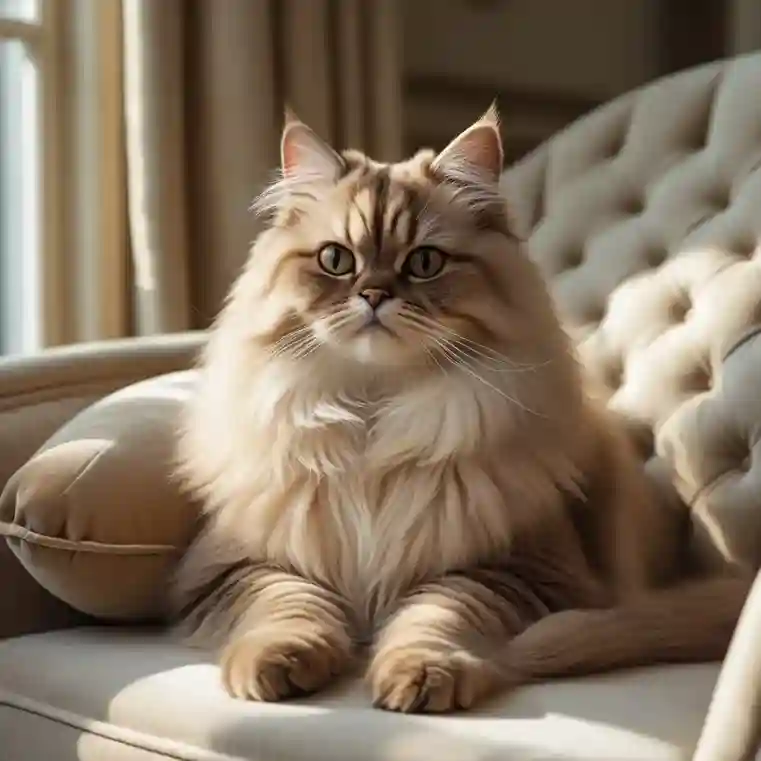
If you’ve ever been captivated by a cat with a luxurious coat, soulful eyes, and a regal demeanor, chances are you’ve encountered a Persian cat. Known as the “royalty” of the feline world, Persian cats have been cherished for centuries for their stunning appearance and endearing personalities. But what makes these fluffy felines so special?
In this comprehensive guide, we’ll dive deep into Persian cat characteristics, exploring their temperament, physical traits, grooming needs, health considerations, and tips for providing them with a loving home. Whether you’re a proud Persian parent or considering adopting one, this article is your go-to resource for understanding these majestic creatures.
Let’s unravel the allure of Persian cats and discover why they continue to reign supreme in the hearts of cat lovers everywhere.
A Brief History of Persian Cats
Before we delve into their characteristics, let’s take a quick look at the origins of Persian cats. Believed to have originated in Persia (modern-day Iran), these cats were first documented in Europe in the 1600s. Their long, flowing coats and distinctive features quickly made them a favorite among aristocrats and cat enthusiasts. Over time, selective breeding enhanced their signature traits, such as their flat faces and plush fur, cementing their status as one of the most iconic cat breeds.
Today, Persian cats are celebrated worldwide for their beauty and charm, consistently ranking among the most popular breeds. Understanding their history gives us insight into why their characteristics are so unique and why they require special care.
Persian Cat Characteristics: Appearance That Mesmerizes
Persian cats are instantly recognizable, thanks to their striking physical features. Let’s break down the key characteristics that define their appearance:
1. Luxurious, Long Coat
The hallmark of a Persian cat is its long, dense, and silky coat. Available in a dazzling array of colors and patterns—solid, tabby, bicolor, and even tortoiseshell—their fur is a sight to behold. However, this glamorous coat requires diligent grooming to prevent matting and maintain its luster.
2. Distinctive Facial Structure
Persians are known for their flat, “pansy-like” faces, characterized by a short nose, small ears, and large, expressive eyes. This brachycephalic (flat-faced) structure gives them an almost doll-like appearance, but it also contributes to certain health challenges, which we’ll discuss later.
3. Expressive Eyes
A Persian’s eyes are one of its most captivating features. Typically large, round, and set wide apart, their eyes come in vibrant hues like blue, green, copper, or even odd-eyed (one blue, one copper). These soulful eyes convey a range of emotions, making Persians particularly endearing.
4. Compact, Sturdy Build
Despite their fluffy appearance, Persians have a solid, medium-sized body with short, thick legs and a broad chest. Their rounded heads and small, rounded ears add to their cuddly, teddy-bear-like charm.
5. Tail and Paws
A Persian’s tail is bushy and proportionate to its body, often carried with an elegant flourish. Their small, rounded paws are tufted with fur, adding to their overall fluffiness.
The combination of these features makes Persian cats a visual delight, but their beauty comes with a responsibility to meet their grooming and health needs.
Persian Cat Temperament: Gentle and Affectionate Companions
Beyond their stunning looks, Persian cats are beloved for their serene and loving personalities. Here’s a closer look at the temperament traits that make them such wonderful companions:
1. Calm and Gentle
Persians are the epitome of tranquility. Unlike more energetic breeds, they prefer lounging on a cushy sofa or basking in a sunny window. Their laid-back nature makes them ideal for apartment living or households seeking a low-key pet.
2. Affectionate and Loyal
Persian cats form strong bonds with their owners and thrive on attention. They’re not overly demanding but will happily curl up in your lap for a cuddle session. Their loyalty and devotion make them excellent companions for individuals or families.
3. Quiet and Reserved
Don’t expect a Persian to be the life of the party. These cats are typically quiet, with soft, melodic voices they use sparingly. They prefer observing their surroundings with a regal air rather than engaging in boisterous play.
4. Sensitive to Change
Persians thrive in stable, predictable environments. Sudden changes, loud noises, or chaotic households can stress them out. Creating a calm, nurturing space is essential for their well-being.
5. Selective Socializers
While Persians are affectionate with their families, they may be aloof with strangers or other pets. Early socialization can help them become more adaptable, but they generally prefer familiar faces.
These temperament traits make Persian cats perfect for those seeking a gentle, loving companion who enjoys a relaxed lifestyle. However, their sensitivity and need for a peaceful environment mean they may not be the best fit for every household.
Grooming Needs: Keeping Your Persian’s Coat Pristine
One of the most defining Persian cat characteristics is their luxurious coat, but it comes with a significant grooming commitment. Here’s how to keep your Persian looking and feeling their best:
1. Daily Brushing
To prevent matting and reduce shedding, brush your Persian’s coat daily with a wide-tooth comb or a slicker brush. Focus on areas prone to tangles, such as the belly, armpits, and behind the ears. Regular brushing also minimizes hairballs, a common issue for long-haired breeds.
2. Bathing
Persians benefit from monthly baths to keep their coat clean and free of oils. Use a cat-safe shampoo and ensure thorough drying to prevent skin issues. Introduce bathing early to help your Persian become comfortable with the process.
3. Eye Cleaning
Due to their flat faces, Persians are prone to tear staining, which can lead to discoloration around the eyes. Gently clean their eyes daily with a damp cloth or vet-approved eye wipes to prevent buildup and maintain their pristine appearance.
4. Ear and Nail Care
Check your Persian’s ears weekly for dirt or wax buildup, and clean them with a vet-recommended solution. Trim their nails every 2–3 weeks to prevent overgrowth and discomfort.
5. Professional Grooming
For busy owners or Persians with particularly thick coats, professional grooming every 6–8 weeks can help maintain their fur and address hard-to-reach areas.
Grooming isn’t just about aesthetics—it’s essential for your Persian’s health and comfort. A consistent grooming routine strengthens the bond between you and your cat while keeping them in top condition.
Health Considerations: Caring for Your Persian’s Well-Being
While Persian cats are generally healthy, their unique physical characteristics predispose them to certain health issues. Being aware of these conditions and taking preventive measures can ensure a long, happy life for your feline friend.
1. Brachycephalic Airway Syndrome
The flat face that gives Persians their distinctive look can lead to breathing difficulties, especially in hot or humid conditions. Watch for signs like snoring, wheezing, or labored breathing, and consult a vet if you notice any concerns.
2. Polycystic Kidney Disease (PKD)
PKD is a hereditary condition common in Persians, where cysts form in the kidneys, potentially leading to kidney failure. Responsible breeders screen for PKD, but regular vet checkups and genetic testing can help detect it early.
3. Eye Conditions
Persians are prone to eye issues like excessive tearing, conjunctivitis, and corneal ulcers due to their facial structure. Daily eye cleaning and prompt veterinary attention for any abnormalities can prevent complications.
4. Dental Problems
Their small mouths and crowded teeth make Persians susceptible to dental disease. Regular tooth brushing and annual dental checkups are crucial for maintaining oral health.
5. Obesity
Persians’ sedentary nature puts them at risk for weight gain. Monitor their diet, provide portion-controlled meals, and encourage light play to keep them at a healthy weight.
To keep your Persian healthy, schedule annual vet visits, maintain a balanced diet, and stay vigilant for any changes in behavior or appearance. With proper care, Persians can live 12–17 years or more.
Tips for Welcoming a Persian Cat into Your Home
Ready to bring a Persian cat into your life? Here are some practical tips to ensure a smooth transition and a happy, healthy relationship:
- Create a Calm Environment: Set up a quiet space with a cozy bed, litter box, and water fountain to help your Persian feel secure.
- Invest in Grooming Tools: Stock up on a quality comb, slicker brush, cat-safe shampoo, and eye wipes to make grooming a breeze.
- Choose a Nutritious Diet: Opt for high-quality, protein-rich cat food tailored to long-haired breeds. Consult your vet for recommendations based on your cat’s age and health.
- Provide Mental Stimulation: While Persians aren’t overly active, they enjoy toys like feather wands or puzzle feeders to keep their minds engaged.
- Find a Reputable Breeder or Rescue: If adopting, choose a breeder who screens for genetic conditions like PKD. Alternatively, check shelters or Persian-specific rescue groups for cats in need of a home.
By preparing your home and committing to their care, you’ll set the stage for a rewarding companionship with your Persian cat.
Fun Facts About Persian Cats
To wrap up our exploration of Persian cat characteristics, here are some delightful tidbits about these feline royals:
- Hollywood Stars: Persian cats have appeared in films and TV shows, often portraying glamorous or pampered pets.
- Color Variety: With over 80 recognized color variations, there’s a Persian for every aesthetic preference.
- Royal Fans: Historical figures like Queen Victoria were known to adore Persian cats, cementing their aristocratic reputation.
- Fun Facts About Persian Cats
- To wrap up our exploration of Persian cat characteristics, here are some delightful tidbits about these feline royals:
- Hollywood Stars: Persian cats have appeared in films and TV shows, often portraying glamorous or pampered pets.
- Color Variety: With over 80 recognized color variations, there’s a Persian for every aesthetic preference.
- Royal Fans: Historical figures like Queen Victoria were known to adore Persian cats, cementing their aristocratic reputation.
- Record Holders: A Persian named Colonel Meow once held the Guinness World Record for the longest cat fur, measuring 9 inches!
- These fun facts highlight the enduring appeal and unique charm of Persian cats.: A Persian named Colonel Meow once held the Guinness World Record for the longest cat fur, measuring 9 inches!
These fun facts highlight the enduring appeal and unique charm of Persian cats.
Final Thoughts
Persian cats are more than just a pretty face—they’re affectionate, gentle companions with a regal presence that brightens any home. Their luxurious coats, soulful eyes, and calm demeanor make them a favorite among cat lovers, but their grooming and health needs require dedication. By understanding Persian cat characteristics, from their appearance and temperament to their care requirements, you can decide if this breed is the perfect fit for your lifestyle.
If you’re ready to welcome a Persian into your life, prepare to be enchanted by their beauty and warmed by their loyalty. Share your thoughts or experiences with Persian cats in the comments below, and let us know if this guide helped you on your feline journey!