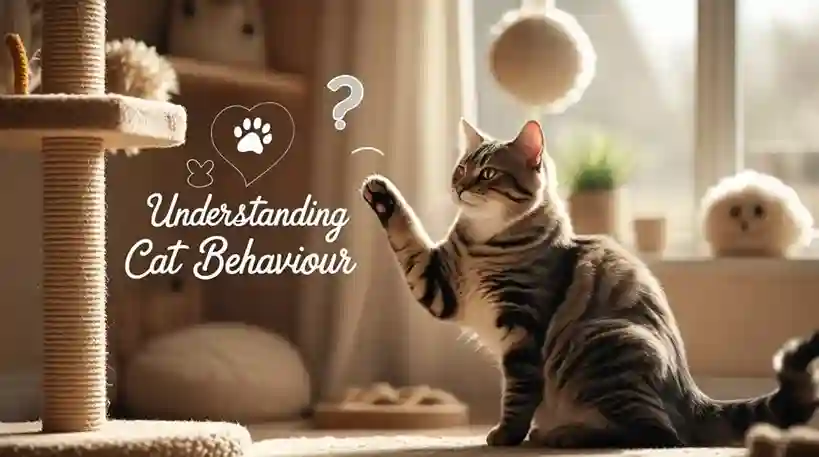
Cats are beloved for their quirky personalities and independent nature, but even the most composed feline can become an overstimulated cat when exposed to too much sensory input. Overstimulation in cats can lead to behaviors like aggression, excessive vocalization, or hiding, which can be distressing for both the cat and their owner.
This guide dives deep into recognizing, preventing, and managing overstimulation in cats, offering practical solutions, product recommendations from Amazon, and answers to common questions sourced from Google Trends. Whether you’re a seasoned cat owner or new to the feline world, this article will equip you with the tools to help your overstimulated thrive.
What Is an Overstimulated Cat?
An overstimulated cat experiences sensory overload, where their nervous system becomes overwhelmed by external stimuli such as loud noises, excessive petting, or chaotic environments. This can trigger a stress response, causing behaviors that seem out of character. Unlike dogs, cats are highly sensitive to their surroundings, and their reactions to overstimulation can vary widely based on their personality, past experiences, and environment.
Signs of an Overstimulated Cat
Recognizing the signs of an overstimulated cat is the first step to helping them. Common indicators include:
- Dilated pupils: A sign of heightened arousal or stress.
- Twitching tail: Rapid or aggressive tail movements often signal irritation.
- Hissing or growling: Vocal warnings that the cat feels threatened.
- Swatting or biting: Physical reactions to being touched too much.
- Hiding or fleeing: Attempts to escape overwhelming situations.
For example, if you’re petting your cat and they suddenly swat your hand, it may be an overstimulated reaction to excessive physical contact. Understanding these cues can help you intervene before the situation escalates.
Why Do Cats Become Overstimulated?
Several factors contribute to a cat becoming an overstimulated cat. These include:
- Excessive Petting: Cats have sensitive nerve endings, and prolonged petting, especially in areas like the base of the tail, can overwhelm them.
- Loud Noises: Sudden sounds like vacuum cleaners or fireworks can startle a cat, pushing them into overstimulation.
- Environmental Changes: New furniture, visitors, or other pets can disrupt a cat’s sense of security.
- Lack of Mental Stimulation: A bored cat may become more sensitive to stimuli, leading to overstimulation when exposed to new triggers.
- Individual Sensitivity: Some cats, like those with anxious temperaments or past trauma, are more prone to becoming overstimulated.
Understanding these triggers is crucial for preventing overstimulation and creating a calm environment for your feline friend.
How to Prevent Overstimulation in Cats
Preventing your cat from becoming overstimulated involves proactive steps to manage their environment and interactions. Here are actionable strategies:
Create a Calm Environment
Cats thrive in predictable, low-stress settings. To minimize the risk of an overstimulated, consider:
- Quiet Spaces: Set up a cozy retreat, like a cat bed or a quiet corner with a blanket, where your cat can escape noise or activity. The PetFusion Ultimate Cat Scratcher Lounge on Amazon is a great option, doubling as a scratcher and a relaxing spot.
- Dim Lighting: Bright lights can stress some cats. Use soft, natural lighting or a calming Himalayan Salt Lamp to create a soothing atmosphere.
- Minimize Sudden Noises: Avoid running loud appliances when your cat is nearby, or use white noise machines to mask disruptive sounds.
Respect Your Cat’s Boundaries
Petting is a common trigger for overstimulation. To avoid overwhelming them:
- Watch Body Language: Stop petting if you notice tail twitching, flattened ears, or dilated pupils.
- Short Sessions: Limit petting to brief, gentle strokes, focusing on areas like the chin or cheeks, which most cats enjoy.
- Let Them Initiate: Allow your cat to approach you for affection rather than forcing interaction.
Provide Mental Stimulation
A bored cat is more likely to become overstimulated when faced with new stimuli. Engage their mind with:
- Interactive Toys: Products like the Catit Senses 2.0 Digger encourage foraging behavior, keeping your cat mentally engaged.
- Puzzle Feeders: Slow-feeder bowls, such as the Catit Senses 2.0 Food Tree, make mealtime a stimulating challenge.
- Rotating Toys: Introduce new toys periodically to maintain interest without overwhelming your cat.
How to Calm an Overstimulated Cat
If your cat is already showing signs of being an overstimulated cat, quick intervention can help them regain calm. Here’s how:
Remove Triggers
- Reduce Stimulation: If loud noises or crowded spaces are the issue, move your cat to a quiet room.
- Limit Touch: Avoid petting or picking up an overstimulation, as this can escalate their stress.
- Dim the Environment: Lower lights and reduce visual stimuli to help them relax.
Use Calming Products
Amazon offers several products designed to soothe an overstimulated cat:
- Feliway Classic Diffuser: This pheromone-based diffuser mimics a cat’s natural calming signals, reducing stress.
- Petstages Tower of Tracks: This interactive toy redirects your cat’s energy into play, helping to diffuse overstimulation.
- Calming Treats: Products like VetriScience Composure Chews contain ingredients like L-theanine to promote relaxation.
Engage in Gentle Interaction
Once your overstimulated begins to calm, engage them gently:
- Use a Wand Toy: Slowly wave a toy like the GoCat Da Bird to redirect their focus.
- Speak Softly: Use a calm, soothing voice to reassure your cat without overwhelming them.
Long-Term Strategies for Managing an Overstimulated Cat
For cats prone to overstimulation, long-term management is key to preventing recurring episodes. These strategies focus on building resilience and reducing sensitivity over time.
Routine and Consistency
Cats thrive on predictability. Establish a daily routine for feeding, play, and rest to reduce the likelihood of your cat becoming overstimulated. For example:
- Feed at the same time each day using a consistent bowl or feeder.
- Schedule play sessions to burn off energy before potential stress triggers, like guests arriving.
- Maintain a stable environment by avoiding frequent rearrangements of furniture.
Desensitization Training
Gradually expose your overstimulation to mild versions of their triggers to build tolerance. For example:
- If loud noises are a problem, play soft recordings of the sound at low volume, gradually increasing it as your cat remains calm.
- Reward calm behavior with treats or praise to reinforce positive associations.
Consult a Veterinarian
If your cat frequently becomes overstimulated, underlying health issues like pain or neurological conditions could be contributing. A vet can:
- Rule out medical causes of sensitivity.
- Recommend behavioral therapies or medications for severe cases.
- Suggest dietary changes, such as Calming Chews for Cats – Cat Anxiety Relief + Helps Reduce Stress, which supports stress reduction.
Amazon Products to Help an Overstimulated Cat
To support your overstimulated, consider these highly rated Amazon products designed to promote calm and engagement:
- Feliway MultiCat Diffuser: Ideal for multi-cat households, this diffuser reduces tension and aggression.
- PetFusion Premium Cat Window Perch: Gives your cat a safe, elevated space to observe their surroundings, reducing stress from ground-level chaos.
- SmartyKat Hot Pursuit Cat Toy: Mimics prey movement to engage your cat’s hunting instincts, redirecting excess energy.
- PetSafe ScoopFree Self-Cleaning Litter Box: Reduces stress by maintaining a clean litter environment, crucial for sensitive cats.
These products, combined with the strategies above, can significantly reduce the likelihood of your cat becoming overstimulated.
FAQs About Overstimulated Cats
Based on Google Trends and common queries, here are answers to frequently asked questions about managing an overstimulated:
Why does my cat bite me when I pet them?
Your cat may be an overstimulated cat reacting to excessive petting. Cats have sensitive nerve endings, and prolonged stroking can become uncomfortable. Watch for signs like tail twitching or flattened ears, and stop petting before they reach their limit.
How can I tell if my cat is overstimulated or just playful?
An overstimulated cat shows signs of agitation, such as dilated pupils, hissing, or swatting, while a playful cat may pounce or chase without aggressive vocalizations. Observe their body language to distinguish between the two.
Can overstimulation cause long-term stress in cats?
Yes, repeated overstimulation can lead to chronic stress, affecting your cat’s health and behavior. Creating a calm environment and using products like the Feliway Diffuser can help prevent an overstimulated cat from developing ongoing anxiety.
Are certain cat breeds more prone to overstimulation?
Breeds like Siamese or Bengals, known for high energy and sensitivity, may be more likely to become an overstimulated cat. However, any cat can experience overstimulation depending on their environment and personality.
What should I do if my cat is overstimulated during play?
Pause play immediately and allow your overstimulated cat to calm down in a quiet space. Use toys like the Petstages Tower of Tracks to redirect their energy once they’re relaxed.
Conclusion
Helping an overstimulated cat requires patience, observation, and a proactive approach to their environment and interactions. By recognizing the signs of overstimulation, creating a calming space, and using tools like Amazon’s Feliway Diffuser or interactive toys, you can ensure your cat feels safe and secure. Long-term strategies, such as consistent routines and desensitization, can further reduce episodes of overstimulation, fostering a happier, healthier feline companion.
With the right knowledge and resources, you can transform your overstimulated cat into a content, relaxed pet, strengthening the bond you share. Start implementing these tips today, and explore the recommended Amazon products to create a soothing environment for your furry friend.
Sources
- ASPCA: Cat Behavior Issues
- Cornell Feline Health Center: Feline Behavior Problems
- PetMD: Overstimulation in Cats