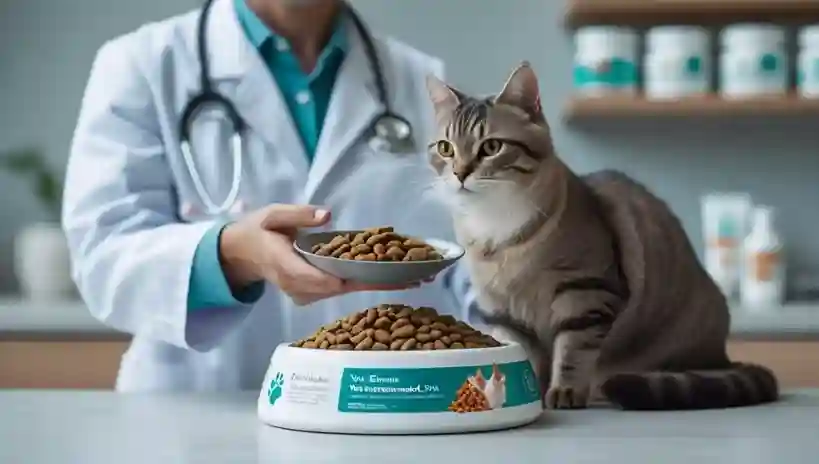
As a devoted cat parent, you want nothing but the best for your furry companion. From cozy beds to interactive toys, every choice you make reflects your commitment to their well-being. But when it comes to their diet, are you giving them the nutrition they truly deserve? Enter organic cat food—a growing trend among pet owners who prioritize health, sustainability, and quality for their feline friends.
In this comprehensive guide, we’ll explore why organic cat food is more than just a buzzword. We’ll dive into its benefits, how it differs from conventional options, what to look for when choosing the best organic cat food, and even highlight some top brands.
Whether you’re a seasoned cat owner or a new pet parent, this article will equip you with the knowledge to make informed decisions for your cat’s diet. Let’s get started!
What is Organic Cat Food?
Organic cat food refers to pet food made with ingredients that meet strict organic standards set by regulatory bodies, such as the USDA in the United States or equivalent organizations globally. These standards ensure that the ingredients are grown or raised without synthetic pesticides, herbicides, antibiotics, hormones, or genetically modified organisms (GMOs).
For a cat food to be labeled “organic,” it must contain at least 95% organic ingredients. If it’s labeled “made with organic ingredients,” it contains at least 70% organic components. The remaining ingredients must still adhere to strict guidelines, ensuring no harmful additives or artificial preservatives sneak into your cat’s bowl.
Organic cat food comes in various forms, including dry kibble, wet canned food, and even raw or freeze-dried options. Each type caters to different feline preferences and dietary needs, but they all share a commitment to natural, high-quality ingredients.
Why Choose Organic Cat Food? The Benefits for Your Cat
Switching to organic cat food can have a transformative impact on your cat’s health and happiness. Here are the top reasons why it’s worth considering:
1. Superior Nutritional Quality
Organic cat food is crafted with whole, minimally processed ingredients. This means your cat gets nutrient-dense meals packed with essential vitamins, minerals, and amino acids like taurine, which is critical for feline heart and eye health. Unlike conventional cat foods that may rely on fillers like corn or soy, organic options prioritize high-quality proteins, such as organic chicken, turkey, or fish, to support muscle development and energy needs.
2. Free from Harmful Chemicals
Conventional cat foods often contain traces of synthetic pesticides, artificial flavors, and preservatives that can accumulate in your cat’s system over time. Organic cat food eliminates these risks by using ingredients grown without harmful chemicals. This reduces the likelihood of allergies, digestive issues, or long-term health problems caused by chemical exposure.
3. Better for Sensitive Stomachs
Cats with food sensitivities or allergies often benefit from organic diets. The absence of artificial additives and common allergens like wheat or soy makes organic cat food gentler on sensitive stomachs. Many pet owners report fewer instances of vomiting, diarrhea, or skin irritations after switching to organic options.
4. Supports Ethical and Sustainable Practices
Choosing organic cat food isn’t just good for your cat—it’s good for the planet. Organic farming practices promote soil health, reduce water pollution, and protect biodiversity. Additionally, many organic cat food brands prioritize cruelty-free sourcing and sustainable packaging, aligning with the values of eco-conscious pet owners.
5. Improved Longevity and Vitality
A diet rich in high-quality, natural ingredients can enhance your cat’s overall well-being. Organic cat food supports a shiny coat, strong immune system, and healthy weight, helping your feline friend live a longer, more vibrant life. Many cat owners notice increased energy levels and playfulness after making the switch.
Organic vs. Conventional Cat Food: What’s the Difference?
To truly appreciate the value of organic cat food, it’s helpful to understand how it stacks up against conventional options. Here’s a quick comparison:
| Aspect | Organic Cat Food | Conventional Cat Food |
|---|---|---|
| Ingredients | 95%+ organic, no GMOs, synthetic pesticides | May include fillers, by-products, GMOs |
| Additives | No artificial flavors, colors, or preservatives | Often contains artificial additives |
| Sourcing | Ethically raised, sustainable practices | May involve factory farming, less transparency |
| Nutritional Value | High-quality, whole ingredients | Varies; may rely on low-cost fillers |
| Price | Typically higher due to quality and sourcing | Generally more affordable |
While organic cat food may come with a higher price tag, the long-term benefits for your cat’s health and the environment often outweigh the cost. Think of it as an investment in your cat’s future.
How to Choose the Best Organic Cat Food
With so many options on the market, selecting the right organic cat food for your feline can feel overwhelming. Here are some key factors to consider:
1. Check the Label
Always read the ingredient list and look for certifications like USDA Organic, EU Organic, or other reputable organic seals. Avoid products with vague terms like “natural” unless they’re backed by organic certification.
2. Prioritize High-Quality Protein
Cats are obligate carnivores, meaning they thrive on animal-based proteins. Choose organic cat food with named protein sources (e.g., organic chicken, organic salmon) as the first ingredient. Avoid products that list generic terms like “meat” or “poultry by-products.”
3. Consider Your Cat’s Life Stage
Kittens, adults, and senior cats have different nutritional needs. Look for organic cat food formulated for your cat’s specific life stage to ensure they’re getting the right balance of nutrients.
4. Wet vs. Dry vs. Raw
- Wet Food: High moisture content, ideal for hydration and urinary health.
- Dry Food: Convenient and cost-effective, but ensure it’s nutrient-dense.
- Raw/Freeze-Dried: Mimics a cat’s natural diet but requires careful handling to avoid bacterial risks.
Choose the format that suits your cat’s preferences and your lifestyle. Many owners combine wet and dry food for variety.
5. Avoid Common Allergens
If your cat has food sensitivities, opt for grain-free or limited-ingredient organic cat food. Common allergens include grains, dairy, and certain proteins like beef.
6. Consult Your Veterinarian
Before switching to organic cat food, consult your vet, especially if your cat has specific health conditions like diabetes or kidney disease. They can recommend the best options for your cat’s unique needs.
Top Organic Cat Food Brands to Consider
To help you get started, here are five highly rated organic cat food brands known for their quality and transparency. (Note: Always check availability and consult your vet before switching brands.)
1. Organix (Castor & Pollux)
- Why We Love It: The first USDA-certified organic pet food brand, Organix offers wet and dry options made with organic free-range chicken or turkey.
- Best For: Cats of all life stages; grain-free options available.
- Key Ingredients: Organic chicken, organic peas, organic cranberries.
- Check on Amazon
2. Open Farm
- Why We Love It: Open Farm emphasizes ethically sourced ingredients and sustainable practices, with traceable protein sources.
- Best For: Cats with allergies; offers wet, dry, and freeze-dried raw.
- Key Ingredients: Organic salmon, organic turkey, organic pumpkin.
- Check on Amazon
3. Tender & True
- Why We Love It: Certified organic and human-grade ingredients, with a focus on limited-ingredient recipes.
- Best For: Cats with sensitive stomachs.
- Key Ingredients: Organic chicken, organic turkey, organic quinoa.
- Check on Amazon
4. Newman’s Own Organics
- Why We Love It: Affordable organic option with high-quality proteins and no artificial additives.
- Best For: Budget-conscious pet owners.
- Key Ingredients: Organic chicken, organic liver, organic brown rice.
5. Ziwi Peak
- Why We Love It: Air-dried and raw-inspired, Ziwi Peak uses organic, free-range meats and is ideal for cats who love a meat-heavy diet.
- Best For: Cats on raw or high-protein diets.
- Key Ingredients: Organic lamb, organic mackerel, organic kelp.
- Check on Amazon
Transitioning Your Cat to Organic Cat Food
Switching to organic cat food requires a gradual transition to avoid digestive upset. Follow these steps for a smooth changeover:
- Days 1-3: Mix 25% organic cat food with 75% of their current food.
- Days 4-6: Increase to 50% organic and 50% current food.
- Days _cpu 7-9: Use 75% organic and 25% current food.
- Day 10: Fully transition to 100% organic cat food.
Monitor your cat for any signs of discomfort, such as vomiting or lethargy, and consult your vet if issues persist. Offer plenty of fresh water during the transition to support digestion.
Common Myths About Organic Cat Food
Despite its growing popularity, organic cat food is surrounded by misconceptions. Let’s debunk a few:
Myth 1: Organic Cat Food is Just a Marketing Gimmick
Truth: Organic cat food adheres to strict regulations, ensuring higher-quality ingredients and safer production methods. The benefits, like improved digestion and fewer allergies, are backed by pet owners’ experiences and veterinary recommendations.
Myth 2: Organic Cat Food is Too Expensive
Truth: While organic options may cost more upfront, they can save money in the long run by reducing vet bills for diet-related issues. Plus, brands like Newman’s Own offer budget-friendly organic choices.
Myth 3: All Cats Thrive on Organic Diets
Truth: While many cats benefit from organic cat food, some may have specific dietary needs that require specialized formulas. Always consult your vet before making changes.
Tips for Making Organic Cat Food Work for Your Budget
If you’re worried about the cost of organic cat food, try these money-saving strategies:
- Buy in Bulk: Purchasing larger bags or cases of organic cat food often comes with discounts.
- Look for Sales: Check pet stores or online retailers like Chewy or Amazon for seasonal promotions.
- Subscribe and Save: Many brands offer subscription services with 5-10% off regular deliveries.
- Mix with Non-Organic: If budget is tight, mix organic wet food with high-quality non-organic dry food to balance cost and quality.
- Homemade Treats: Supplement your cat’s diet with vet-approved homemade organic treats to stretch your budget.
The Future of Organic Cat Food
The demand for organic cat food is on the rise as pet owners become more conscious of their cats’ health and environmental impact. Innovations in the industry include:
- Sustainable Packaging: More brands are adopting recyclable or compostable packaging.
- Plant-Based Organic Options: While cats are carnivores, some brands are exploring organic plant-based supplements for specific health benefits.
- Personalized Nutrition: Companies are developing tailored organic cat food plans based on a cat’s age, weight, and health conditions.
As the organic pet food market grows, we can expect even more options, making it easier for cat owners to find high-quality, affordable products.
Conclusion: Make the Switch to Organic Cat Food Today
Your cat deserves a diet that fuels their playful spirit and supports their long-term health. Organic cat food offers a natural, nutrient-rich solution that benefits your feline friend and the planet. By choosing organic, you’re investing in better ingredients, fewer health risks, and a happier, more vibrant cat.
Ready to make the switch? Start by exploring the brands mentioned above, consult your veterinarian, and gradually transition your cat to an organic diet. Your furry companion will thank you with purrs, head bumps, and endless affection.
Have you tried organic cat food for your cat? Share your experiences or ask questions in the comments below—we’d love to hear from you! And don’t forget to share this guide with fellow cat parents who want the best for their feline friends.