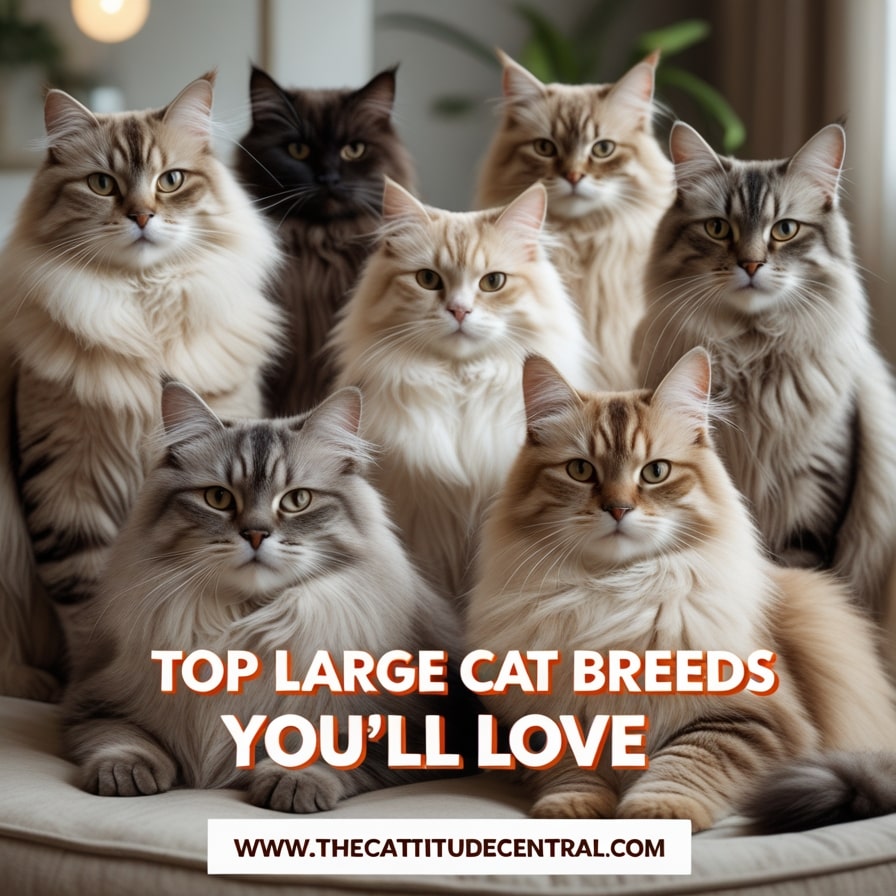
Cats come in all shapes and sizes, but there’s something undeniably captivating about large cat breeds. These majestic felines, often weighing over 12-15 pounds, combine striking physical presence with unique personalities that make them stand out. From the gentle giant Maine Coon to the exotic Savannah, big cats offer a blend of beauty, charm, and companionship that appeals to many pet owners. This comprehensive guide explores the world of large cat breeds, diving into their characteristics, care requirements, and how to choose the perfect one for your lifestyle. Whether you’re drawn to their impressive size or dog-like behaviors, understanding these breeds is key to providing them with a happy, healthy life.
Large cat breeds are defined by their substantial weight, robust bone structure, and often towering stature. Adult males of these breeds can weigh anywhere from 12 to 25 pounds, with some, like the Maine Coon, reaching lengths of up to 40 inches, including their tails. Their size isn’t just about aesthetics—it impacts their care needs, from diet to exercise and space requirements. For potential owners, choosing a big cat means considering factors like home environment, family dynamics, and budget, as these breeds often require more resources than their smaller counterparts.
This guide aims to be your go-to resource for everything about big cat breeds. We’ll cover their physical and behavioral traits, highlight popular breeds, compare them in a detailed table, and address common questions sourced from Google Trends. By the end, you’ll have a clear understanding of what it takes to welcome one of these magnificent felines into your home and why they’re so beloved by cat enthusiasts worldwide.
Characteristics of Large Cat Breeds
Physical Traits
Large cat breeds are known for their imposing physical features. Their larger bone structure and muscular build set them apart from average-sized cats. For instance, breeds like the Maine Coon and Norwegian Forest Cat have long, sturdy bodies, broad heads, and strong legs that give them a commanding presence. Their coats vary widely: some, like the Ragdoll, have plush, medium-length fur, while others, like the Savannah, sport sleek, short coats. These physical traits not only contribute to their size but also influence their grooming needs and adaptability to different environments.
The sheer size of these cats can be awe-inspiring. A Maine Coon, for example, can stretch out to the length of a small child, with their bushy tails adding to their grandeur. Their physicality often makes them look like miniature wildcats, especially in breeds like the Savannah or Chausie, which are hybrids with wild ancestry. These features make big cat breeds a favorite for those who want a pet with a bold, striking appearance.
Temperament
Beyond their size, large cat breeds are prized for their diverse personalities. Many, like the Maine Coon and Ragdoll, are known for their affectionate, social nature, often described as “dog-like” due to their loyalty and love for human interaction. Others, like the Norwegian Forest Cat, balance independence with playfulness, making them ideal for owners who want a companion that’s not overly clingy. High-energy breeds like the Savannah and Bengal thrive on activity and curiosity, often requiring more engagement than their calmer counterparts.
Size can influence behavior in subtle ways. Larger cats may exhibit more dominant tendencies in multi-pet households, while their relaxed demeanor—seen in breeds like the British Shorthair—can make them ideal for quieter homes. Understanding these temperamental differences is crucial when selecting a breed that matches your lifestyle.
Health Considerations
While large cat breeds are generally robust, their size can predispose them to specific health issues. Joint problems, such as hip dysplasia, are a concern for breeds like the Maine Coon, whose heavy frames put stress on their bones. Obesity is another risk, particularly for less active breeds like the Ragdoll, which requires careful portion control. Heart conditions, like hypertrophic cardiomyopathy, can also affect some big cat breeds, necessitating regular veterinary checkups.
On average, these breeds live 12-18 years with proper care, though hybrids like the Savannah may have slightly shorter lifespans due to genetic complexities. Owners should be proactive about health monitoring, ensuring their cats receive vaccinations, dental care, and parasite control tailored to their active or outdoor-prone lifestyles.
Popular Large Cat Breeds
Maine Coon
The Maine Coon is often dubbed the “gentle giant” of the cat world. Weighing 10-25 pounds and stretching up to 40 inches, this breed is one of the largest domestic cats. Their tufted ears, bushy tails, and shaggy, water-repellent coats give them a rugged yet regal appearance. Maine Coons are known for their friendly, sociable nature, often following their owners around like loyal dogs. They thrive in active households and require regular grooming to manage their long fur, a high-protein diet, and ample space for play.
Ragdoll
Ragdolls, weighing 10-20 pounds, are beloved for their docile, affectionate personalities. Their plush, medium-length coats and striking blue eyes make them visually stunning. These cats love human interaction, often going limp when picked up—hence their name. Ragdolls need moderate grooming and careful monitoring to prevent obesity, as their relaxed nature can lead to weight gain. They’re ideal for calm households and families with children.
Norwegian Forest Cat
The Norwegian Forest Cat, ranging from 12-20 pounds, is a robust, muscular breed with a thick, water-repellent coat designed for harsh Scandinavian winters. Their tufted ears and bushy tails add to their wild, majestic look. These cats are independent yet affectionate, enjoying playtime and climbing. They require heavy grooming during shedding seasons and thrive in environments with vertical spaces for exploration.
Siberian
Siberians, weighing 12-20 pounds, are strong, agile cats with triple-layered coats that protect them in cold climates. Their rounded ears and expressive eyes add to their charm. Known for their intelligence and loyalty, Siberians are also hypoallergenic, producing less of the Fel d 1 protein that triggers allergies. They need regular grooming and mental stimulation through interactive toys or training to stay content.
Savannah
The Savannah, a hybrid of a domestic cat and an African Serval, ranges from 12-25 pounds and boasts a tall, slender frame with a spotted coat and large ears. Their exotic appearance is matched by their energetic, curious personalities, often displaying dog-like loyalty. Savannahs require high activity levels, a specialized diet (sometimes raw), and a secure environment to prevent escapes, as their wild instincts make them adventurous.
Other Notable Breeds
- Chausie: Weighing 15-25 pounds, this athletic hybrid (domestic cat and Jungle Cat) has a short coat and high energy. They’re playful but need experienced owners.
- British Shorthair: At 12-20 pounds, this breed has a dense coat and calm demeanor, making them suitable for quieter homes.
- Bengal: Ranging from 8-15 pounds, Bengals are on the cusp of large but are included for their sleek, active nature and vocal personalities.
Comparison Table of Large Cat Breeds
To help you choose the right big cat breed, here’s a side-by-side comparison of their key attributes:
| Breed | Size (Weight) | Coat Type | Temperament | Grooming Needs | Activity Level | Health Concerns | Family-Friendly |
| Maine Coon | 10-25 lbs | Long | Friendly, Social | High | Moderate | Hip dysplasia, HCM | Yes |
| Ragdoll | 10-20 lbs | Medium | Docile, Affectionate | Moderate | Low | Obesity, HCM | Yes |
| Norwegian Forest Cat | 12-20 lbs | Long | Independent, Playful | High | Moderate | Joint issues | Yes |
| Siberian | 12-20 lbs | Long | Intelligent, Loyal | High | Moderate | HCM, Allergies | Yes |
| Savannah | 12-25 lbs | Short | Energetic, Curious | Low | High | Hybrid-related, GI | Moderate |
| Chausie | 15-25 lbs | Short | Energetic, Playful | Low | High | GI issues | Moderate |
| British Shorthair | 12-20 lbs | Short | Calm, Affectionate | Low | Low | Obesity, Dental | Yes |
| Bengal | 8-15 lbs | Short | Active, Vocal | Low | High | HCM, GI issues | Moderate |
This table highlights the diversity among large cat breeds, from grooming demands to suitability for families, helping you narrow down the best fit.
Care Requirements for Large Cat Breeds
Nutrition
Big cat breeds require high-quality, protein-rich diets to support their muscle mass and energy needs. For example, a Maine Coon’s active lifestyle demands more calories than a Ragdoll’s sedentary one. Portion control is critical to prevent obesity, especially in breeds like the British Shorthair or Ragdoll. Hybrid breeds like Savannahs may benefit from specialized or raw diets, but consult a vet to ensure nutritional balance. Always provide fresh water, as larger cats may drink more due to their size.
Grooming
Grooming needs vary by breed. Maine Coons and Norwegian Forest Cats require frequent brushing (2-3 times weekly) with slicker brushes to prevent matting. Ragdolls need moderate grooming with combs to keep their coats smooth. Short-coated breeds like Savannahs and Chausies need only weekly brushing. Shedding can be intense for long-haired breeds, so investing in a high-quality vacuum and lint rollers is wise for owners.
Exercise and Enrichment
Large cat breeds, particularly Savannahs and Bengals, thrive on physical activity. Vertical spaces like cat trees or shelves are essential for climbing and exploration. Interactive toys, such as laser pointers or feather wands, keep high-energy breeds engaged. For intelligent breeds like Siberians, puzzle feeders or training sessions provide mental stimulation. Even calmer breeds like Ragdolls benefit from daily play to maintain a healthy weight.
Health Monitoring
Regular veterinary checkups are crucial for large cat breeds. Maine Coons should be screened for hip dysplasia and heart conditions, while Ragdolls need monitoring for obesity. Dental care is vital, as larger cats may be prone to plaque buildup. Active breeds like Savannahs require parasite control if they spend time outdoors. A proactive approach to health ensures these cats live long, fulfilling lives.
Choosing a Large Cat Breed
Lifestyle Fit
Your lifestyle plays a significant role in choosing a big cat breed. Active households with space for climbing and play suit high-energy breeds like Savannahs or Bengals. Calmer homes or apartments are better for Ragdolls or British Shorthairs, which adapt well to smaller spaces. Consider your daily routine—breeds like Maine Coons thrive on interaction, while Norwegian Forest Cats are more independent.
Family and Pet Compatibility
Maine Coons and Ragdolls are typically excellent with children and other pets due to their gentle, social natures. Savannahs and Chausies, however, may require supervision around young kids or small animals due to their high prey drive. Introducing large cats to existing pets requires gradual socialization to ensure harmony.
Cost Considerations
Owning a large cat breed can be costly. Initial adoption or purchase costs vary—Savannahs can range from $1,000-$10,000 due to their hybrid status, while Maine Coons typically cost $500-$2,000. Ongoing expenses include premium food, grooming supplies, and larger litter boxes. Veterinary care for health issues like joint problems or heart conditions can also add up.
Availability
Finding reputable breeders or rescues is key. Maine Coons and Ragdolls are widely available through breeders or shelters, but hybrids like Savannahs and Chausies may require specialized breeders and could face legal restrictions in some areas. Research local regulations and prioritize ethical sources to avoid supporting unethical breeding practices.
Pros and Cons of Large Cat Breeds
Advantages
Large cat breeds offer a commanding presence that’s hard to ignore. Their striking appearances, from the Maine Coon’s shaggy coat to the Savannah’s spotted fur, make them conversation starters. Many, like Maine Coons and Ragdolls, have affectionate, engaging personalities, offering a dog-like companionship experience. Their size often makes them more resilient to rough play, ideal for families.
Challenges
The costs of owning big cat breeds can be higher, from food to veterinary care. Their space requirements, especially for active breeds, may not suit small apartments. Health issues like joint problems or obesity require vigilant monitoring. Hybrid breeds like Savannahs may also pose behavioral challenges for inexperienced owners.
History and Origins of Large Cat Breeds
Purpose
Understanding the origins of large cat breeds adds depth to their appeal, revealing how their environments and breeding shaped their traits.
Details by Breed
- Maine Coon: Originating in New England, USA, Maine Coons likely descended from ship cats or Viking felines. Their rugged coats suited harsh winters.
- Ragdoll: Developed in the 1960s in California by Ann Baker, Ragdolls were bred for their docile, floppy nature.
- Norwegian Forest Cat: Hailing from Scandinavia, this ancient breed adapted to cold climates, appearing in Norse mythology as a mystical companion.
- Siberian: Native to Russia, Siberians have been documented for centuries, valued for their hypoallergenic fur and hunting prowess.
- Savannah: A modern hybrid from the 1990s, Savannahs result from crossing domestic cats with African Servals, creating their exotic look.
- Chausie: Another hybrid, developed in the 1990s by crossing domestic cats with Jungle Cats, known for their athleticism.
- British Shorthair: With roots in ancient Britain, this breed was refined in the 19th century for its sturdy build and calm demeanor.
- Bengal: Created in the 1960s by crossing domestic cats with Asian Leopard Cats, Bengals have a wild appearance and energetic personality.
Cultural Significance
Large cat breeds have left their mark on culture. Norwegian Forest Cats appear in Norse legends, while Maine Coons are celebrated in American folklore. Siberians are revered in Russian history as loyal companions. These cultural ties enhance the allure of big cat breeds for enthusiasts.
Training and Socialization
Training Potential
Many large cat breeds, like Maine Coons, Savannahs, and Bengals, are highly trainable due to their intelligence. They can learn tricks, leash walking, or even commands like “sit” using positive reinforcement, such as treats or clicker training. Savannahs, with their dog-like loyalty, excel in interactive training sessions.
Socialization Needs
Early socialization is critical, especially for hybrids like Savannahs and Chausies, which may be skittish without proper exposure to people, pets, and environments. Gradual introductions and positive experiences help these cats adapt. Maine Coons and Ragdolls, naturally sociable, require less effort but still benefit from early interaction.
Behavioral Challenges
High-energy breeds like Bengals and Savannahs may exhibit destructive behaviors if understimulated. Providing ample toys, scratching posts, and playtime mitigates this. Larger cats may also display territorial tendencies, requiring clear boundaries in multi-pet homes.
FAQs About Large Cat Breeds
This section addresses common questions about large cat breeds, sourced from popular search trends, to provide clarity for potential owners.
What is the largest cat breed?
The Maine Coon is the largest domestic cat breed, with males weighing 15-25 pounds and reaching up to 40 inches. Savannahs can also grow large, but Maine Coons are more consistent.
Are large cat breeds good with families?
Maine Coons and Ragdolls are excellent for families due to their gentle, social natures. Savannahs and Bengals may need supervision around young children due to their energy.
Do large cat breeds require more food?
Yes, their larger size demands more calories, particularly high-protein diets. Portion control is key to prevent obesity in breeds like Ragdolls.
Are large cat breeds hypoallergenic?
Siberians are the most hypoallergenic large breed, producing less Fel d 1 protein. No cat is fully hypoallergenic, but Siberians are often better for allergy sufferers.
How much grooming do large cat breeds need?
Maine Coons and Norwegian Forest Cats need frequent brushing (2-3 times weekly). Ragdolls require moderate grooming, while Savannahs and Chausies need minimal care.
Are large cat breeds more expensive to own?
Yes, costs include higher food consumption, larger supplies, and potential health expenses. Savannahs can cost $1,000-$10,000, while Maine Coons range from $500-$2,000.
Do large cat breeds need more space?
Active breeds like Savannahs and Bengals need ample space and vertical structures. Ragdolls and British Shorthairs adapt better to smaller homes.
How long do large cat breeds live?
Most live 12-18 years with proper care. Maine Coons and Siberians often reach the higher end, while hybrids may have shorter lifespans.
Are large cat breeds more prone to health issues?
Maine Coons may face hip dysplasia and heart issues, Ragdolls are prone to obesity, and hybrids may have digestive or genetic concerns.
Can large cat breeds be trained?
Yes, Maine Coons, Savannahs, and Bengals are highly trainable, responding well to positive reinforcement for tricks or leash walking.
Conclusion
Large cat breeds offer a unique blend of beauty, personality, and presence that makes them irresistible to many pet owners. From the friendly Maine Coon to the exotic Savannah, these felines bring something special to any home. However, their size and specific needs—nutrition, grooming, exercise, and health monitoring—require careful consideration. By understanding their traits, origins, and care requirements, you can choose a big cat breed that perfectly fits your lifestyle. Research, visit breeders or rescues, and interact with these breeds to ensure a rewarding companionship. Responsible pet ownership ensures these magnificent cats thrive, bringing joy for years to come.
Additional Resources
- Cat Fanciers’ Association (CFA): www.cfa.org for breed standards and breeder directories.
- The International Cat Association (TICA): www.tica.org for information on hybrids like Savannahs.
- Breed-Specific Rescues: Search for Maine Coon or Ragdoll rescues in your area.
- Recommended Products:
- Oversized litter boxes (e.g., Petmate Giant Litter Pan).
- Durable cat trees (e.g., Armarkat Cat Tree).
- High-protein food (e.g., Royal Canin or Orijen).
Sources
- Cat Fanciers’ Association (CFA). (2025). Breed Standards. www.cfa.org
- The International Cat Association (TICA). (2025). Breed Information. www.tica.org
- American Veterinary Medical Association (AVMA). (2025). Cat Health Guidelines. www.avma.org
- Cornell Feline Health Center. (2025). Common Feline Health Issues. www.vet.cornell.edu