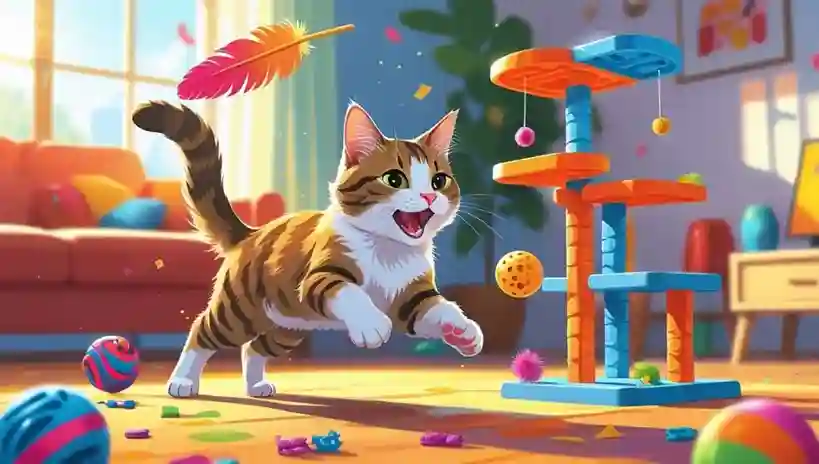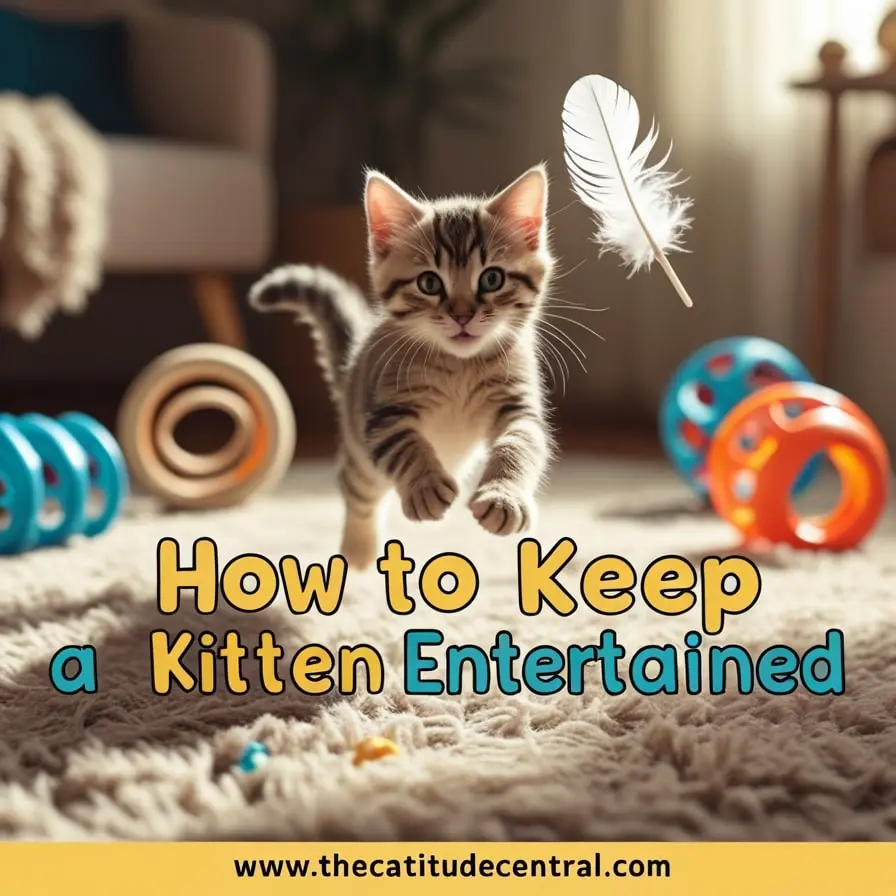
Kittens are bundles of energy, curiosity, and mischief, bringing joy to any home. However, their boundless enthusiasm requires proper outlets to prevent boredom and ensure healthy development. Engaging a kitten through play and stimulation is not just about fun—it’s essential for their physical growth, mental sharpness, and emotional well-being. A bored kitten may resort to scratching furniture, chewing wires, or displaying anxious behaviors, which can strain the bond between pet and owner. By understanding how to keep a kitten entertained, you can foster a happy, healthy feline companion while creating cherished moments together.
This comprehensive guide explores a variety of methods to captivate your kitten, from interactive toys and activities to environmental enrichment and safety tips. Whether you’re a first-time kitten owner or a seasoned pet parent, you’ll find practical, budget-friendly, and creative ideas to spark joy in your kitten’s life. We’ll also address common questions sourced from Google Trends to ensure this guide meets your needs and aligns with what kitten owners are searching for today.
Understanding Kitten Behavior and Needs
Developmental Stage
Kittens, typically aged 0–6 months, are in a critical phase of growth where play is more than just fun—it’s a cornerstone of their development. Their high energy levels and short attention spans drive them to explore, chase, and pounce, mimicking the hunting instincts of their wild ancestors. These behaviors help kittens develop coordination, muscle strength, and social skills. For example, a kitten chasing a feather wand is practicing the same stalking and pouncing techniques a wild cat uses to hunt prey.
Why Entertainment is Essential
Keeping a kitten entertained prevents boredom-related issues like destructive scratching or excessive meowing. Regular play supports physical health by promoting exercise, which is crucial for maintaining a healthy weight and building strong muscles. Mentally, engaging activities stimulate problem-solving skills, reduce stress, and boost confidence. A kitten that’s mentally and physically satisfied is less likely to develop anxiety or behavioral problems, making it easier to integrate them into your home.
Factors to Consider
When planning activities to keep your kitten entertained, consider their age, personality, and health. A 2-month-old kitten may tire quickly and prefer short bursts of play, while a 5-month-old might handle longer, more complex games. Some kittens are bold and love chasing toys, while others are more cautious and prefer quieter activities like batting a ball. Health conditions, such as mobility issues, may require gentler play options. Additionally, your available space, budget, and time commitment will shape the types of entertainment you can provide.
Types of Toys for Kitten Entertainment
Interactive Toys
Interactive toys are a fantastic way to engage your kitten’s hunting instincts and strengthen your bond. Wand toys with feathers or strings, such as the “Cat Dancer” or homemade versions, mimic the movement of prey, encouraging pouncing and leaping. Laser pointers are another popular choice, captivating kittens with their unpredictable red dot—though use them cautiously to avoid shining the light in their eyes. Battery-operated toys, like robotic mice that scurry across the floor, provide dynamic stimulation, especially for high-energy kittens. These toys work best when you actively participate, guiding the toy to keep your kitten entertained for 10–15 minutes at a time.
Solo Play Toys
For times when you’re busy, solo play toys allow your kitten to stay engaged independently. Balls with bells or crinkle sounds are perfect for batting around, satisfying a kitten’s love for chasing and swatting. Catnip-stuffed toys, like small plush mice, can keep a kitten occupied for hours, as the scent of catnip triggers playful behavior in most cats (though some kittens under 6 months may not yet respond to it). Puzzle toys that dispense treats, such as the “Petstages Tower of Tracks,” encourage problem-solving and reward curiosity, making them ideal for mental stimulation.
DIY Toys
You don’t need to break the bank to keep your kitten entertained. Household items can be transformed into engaging toys with a little creativity. Cardboard boxes with cutout holes become instant hideaways for exploration and pouncing. Crumpled paper balls or empty toilet paper rolls are lightweight and perfect for batting across the floor. You can also craft a feather wand by tying feathers or fabric strips to a stick. These DIY options are not only budget-friendly but also sustainable, reducing waste while providing endless fun.
Safety Considerations
Safety is paramount when selecting toys to keep a kitten entertained. Avoid toys with small, detachable parts like buttons or beads that could be swallowed, posing a choking hazard. Ensure materials are non-toxic and durable to withstand sharp claws and teeth. Strings, ribbons, or yarn should only be used under supervision, as they can cause intestinal blockages if ingested. Regularly inspect toys for wear and tear, replacing any that are frayed or damaged to maintain a safe play environment.
Interactive Activities to Engage Kittens
Scheduled Playtime
Kittens thrive on routine, and scheduling 10–15 minute play sessions 2–3 times daily aligns with their natural energy bursts. Use toys like feather wands or balls to simulate hunting scenarios, dragging the toy along the floor or tossing it for your kitten to chase. These sessions not only keep your kitten entertained but also burn off excess energy, reducing the likelihood of nighttime zoomies or destructive behavior.
Training and Tricks
Believe it or not, kittens can learn simple tricks, making training a fun and engaging activity. Use treats to teach commands like “sit” or “come,” rewarding your kitten for following cues. Clicker training is particularly effective—click when your kitten performs the desired action, then offer a treat. This mental challenge keeps your kitten entertained while reinforcing positive behaviors, such as coming when called or using a scratching post instead of furniture.
Social Interaction
Gentle handling during play helps build trust and socializes your kitten to human interaction. For example, rolling a ball for your kitten to chase while petting them gently reinforces positive associations. If you have other pets, supervised play sessions can teach your kitten social cues, like how to play gently with a dog or another cat. These interactions are key to raising a well-adjusted feline.
Exploration Games
Turn your home into a playground to keep your kitten entertained. Create obstacle courses using pillows, boxes, or tunnels (store-bought or made from cardboard tubes). Hide treats or toys around the house for a “treasure hunt,” encouraging your kitten to use their senses to explore. These games tap into a kitten’s natural curiosity, providing both physical exercise and mental stimulation.
Environmental Enrichment
Creating a Stimulating Environment
A kitten’s environment plays a huge role in keeping them entertained. Cat trees or shelves provide vertical spaces for climbing, satisfying their instinct to perch and survey their surroundings. Scratching posts are essential for channeling their scratching behavior away from furniture. Rotating toys weekly keeps the environment fresh—store some toys and reintroduce them later to spark renewed interest. Even a simple cardboard box can become a fortress for your kitten to conquer.
Safe Exploration Areas
Kitten-proofing your home ensures safe exploration. Remove hazards like exposed wires, toxic plants (e.g., lilies), or small objects that could be swallowed. Designate specific rooms as play zones where your kitten can roam freely without risk. Window perches are a great addition, allowing your kitten to watch birds or passersby, which provides hours of visual entertainment without any effort on your part.
Sensory Stimulation
Engage your kitten’s senses to keep them entertained. Play soft music or nature sounds, like bird chirps, to soothe or intrigue them. Safe scents like catnip or silvervine can be sprinkled on toys or scratching posts to stimulate their sense of smell. Rotating sensory stimuli—such as introducing a new scent or sound every few weeks—prevents habituation and keeps your kitten curious.
Balancing Entertainment with Rest
Recognizing Overstimulation
While play is essential, overstimulation can lead to stress. Signs include excessive biting, hissing, or hiding. If your kitten shows these behaviors, pause the play session and offer a quiet space with a cozy bed or blanket. This downtime allows them to recharge, ensuring they’re ready for the next round of fun.
Establishing a Routine
A balanced routine of play, feeding, and rest mimics a kitten’s natural cycle. For example, a morning play session followed by a meal and nap sets a predictable rhythm. Younger kittens (8–12 weeks) need frequent naps, so keep play sessions short. Older kittens (4–6 months) can handle longer activities but still benefit from structured downtime.
Adapting to Age
As kittens grow, their entertainment needs evolve. Younger kittens thrive on quick, high-energy games, while older kittens may enjoy more complex challenges, like puzzle feeders or longer obstacle courses. Observing your kitten’s preferences and energy levels helps you tailor activities to their developmental stage.
Common Mistakes to Avoid
Overuse of Laser Pointers
Laser pointers are great for engaging a kitten’s chasing instinct, but overuse can frustrate them since there’s no tangible “prey” to catch. Combine laser play with physical toys, like tossing a stuffed mouse at the end of a session, to provide a satisfying conclusion.
Neglecting Safety
Failing to check toys for safety risks can lead to accidents. Regularly inspect toys for loose parts or frayed edges, and never leave string-based toys unattended. Kitten-proofing your home—securing cords, removing small objects, and checking for toxic substances—is critical to safe play.
Ignoring Individual Preferences
Every kitten is unique. Some love chasing balls, while others prefer pouncing on feather toys. Observe your kitten’s play style and adjust activities accordingly. Forcing a shy kitten into high-energy games may cause stress, so let their personality guide your approach.
Budget-Friendly and Sustainable Options
Repurposing Household Items
Keeping a kitten entertained doesn’t require expensive toys. Paper bags with the handles removed make great hideouts, while crumpled paper balls or socks tied in knots become instant toys. Cardboard tubes from paper towels can be strung together to create tunnels, offering hours of exploration at no cost.
Rotating Toys
To maintain your kitten’s interest, store some toys and rotate them every week or two. This keeps the environment fresh without needing to buy new items. For example, swap out a ball for a catnip toy, then reintroduce the ball later to spark excitement.
Community Resources
Check local pet stores, shelters, or online communities for affordable or donated toys. Platforms like Reddit or local pet groups often share DIY toy ideas, such as crafting a wand from string and feathers. These resources help you keep your kitten entertained on a budget.
Monitoring Kitten Health and Engagement
Signs of a Happy, Engaged Kitten
A well-entertained kitten is playful, has a healthy appetite, and maintains good grooming habits. They’ll eagerly engage with toys, interact positively with people or other pets, and show curiosity about their environment. These signs indicate your efforts to keep your kitten entertained are working.
Red Flags
Lethargy, disinterest in play, or destructive behaviors like excessive scratching may signal health issues or insufficient stimulation. If these persist, consult a veterinarian to rule out medical problems, such as dental issues or infections, and reassess your entertainment strategies.
Adapting as They Grow
As kittens approach adulthood (6–12 months), their play needs shift. Introduce more complex toys, like interactive feeders, to challenge their growing intelligence. Transitioning entertainment to suit their maturing needs ensures they stay engaged and happy.
FAQs about How to keep a kitten entertained
How do I keep my kitten from getting bored?
Rotate a variety of toys, such as balls, feather wands, and puzzle feeders, to maintain interest. Schedule short, frequent play sessions (10–15 minutes, 2–3 times daily) to match their energy bursts. Enrich their environment with climbing spaces, scratching posts, and window perches for ongoing stimulation.
What are the best toys for a kitten?
Interactive toys like feather wands or laser pointers engage hunting instincts, while solo play toys like balls with bells or catnip-stuffed mice encourage independent fun. DIY options, such as cardboard boxes or crumpled paper, are budget-friendly and just as effective for keeping a kitten entertained.
How much playtime does a kitten need?
Kittens need 20–30 minutes of active play daily, split into 2–3 short sessions to suit their short attention spans. Younger kittens may require more frequent but shorter playtimes, while older kittens can handle slightly longer sessions.
Can I use household items as kitten toys?
Yes, household items like paper bags, cardboard boxes, or toilet paper rolls are safe and engaging toys. Ensure there are no small parts or sharp edges, and supervise play to prevent chewing hazards. These items are perfect for keeping a kitten entertained on a budget.
Why does my kitten destroy things when bored?
Boredom prompts kittens to seek stimulation, often leading to destructive behaviors like scratching furniture or chewing cords. Provide scratching posts, engaging toys, and regular play sessions to redirect their energy. Kitten-proof your home by securing hazards to prevent damage.
Is it safe to use a laser pointer with my kitten?
Laser pointers are safe if used carefully—never shine the light in your kitten’s eyes to avoid potential damage. Combine laser play with physical toys, like a stuffed mouse, to provide a tangible “catch” and prevent frustration.
How can I entertain my kitten when I’m not home?
Leave safe solo toys, like puzzle feeders or balls with bells, to keep your kitten entertained. Set up a window perch for bird-watching or play soft music for auditory stimulation. A pet camera can let you monitor and interact remotely, ensuring they stay engaged.
Conclusion
Keeping a kitten entertained is a rewarding journey that supports their physical health, mental sharpness, and emotional happiness. By combining interactive toys, engaging activities, and a stimulating environment, you can prevent boredom and foster a strong bond with your feline friend. From DIY cardboard box forts to scheduled play sessions, the possibilities are endless and adaptable to any budget or lifestyle. Be patient, observe your kitten’s unique preferences, and stay creative to keep their world full of wonder.
Start today by introducing one new toy or activity, like a crumpled paper ball or a short play session with a feather wand. Watch how your kitten responds and adjust based on their personality. If you need tailored advice, consult a veterinarian or pet behaviorist to ensure your kitten thrives. With these strategies, you’ll create a joyful, engaging environment that keeps your kitten entertained and happy for years to come.
Sources:
- American Society for the Prevention of Cruelty to Animals (ASPCA). “Cat Care: Kitten Care.” aspca.org
- Cornell Feline Health Center. “Play and Exercise in Cats.” vet.cornell.edu