
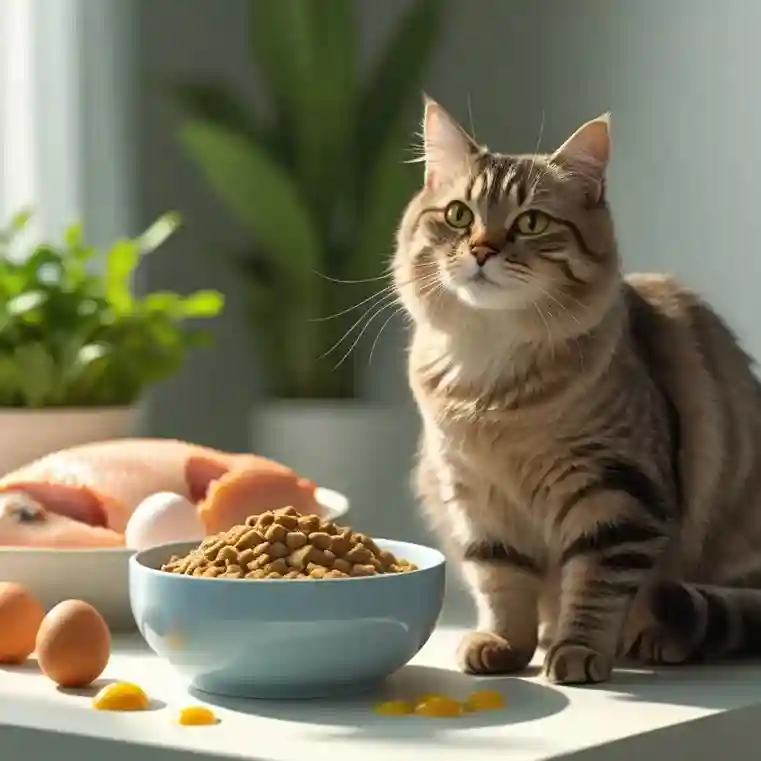
Cats are obligate carnivores, meaning their bodies are biologically wired to thrive on a diet rich in animal-based proteins. As a cat owner, you want your furry friend to live a long, healthy, and vibrant life. That’s where high-protein cat food comes in—a nutritional powerhouse that supports everything from muscle development to a glossy coat and boundless energy. But with countless cat food brands and formulas on the market, how do you choose the right high-protein diet for your feline companion?
In this comprehensive guide, we’ll dive deep into the world of high-protein cat food. You’ll learn why protein is essential for cats, the benefits of a high-protein diet, how to select the best products, and expert tips to ensure your cat thrives. Whether you’re a first-time cat parent or a seasoned feline enthusiast, this guide will empower you to make informed decisions for your cat’s nutrition.
Why Cats Need High-Protein Diets
Cats aren’t just carnivores—they’re obligate carnivores. Unlike dogs or humans, who can derive energy from a variety of sources, cats rely heavily on animal-based proteins to meet their nutritional needs. Here’s why protein is non-negotiable for your cat:
- Muscle Maintenance and Growth
Protein provides the amino acids necessary for building and repairing muscles. Active cats, kittens, and seniors all benefit from high-protein diets to maintain lean muscle mass and support mobility. - Energy Source
Cats metabolize protein for energy more efficiently than carbohydrates. A high-protein diet ensures your cat has the stamina for playtime and daily activities. - Healthy Skin and Coat
Amino acids like taurine and methionine, found in high-quality proteins, promote a shiny coat and healthy skin, reducing shedding and dandruff. - Immune System Support
Proteins are critical for producing antibodies and enzymes that strengthen your cat’s immune system, helping them fight off infections and stay resilient. - Weight Management
High-protein cat food is often lower in carbohydrates, which can help prevent obesity—a common issue in indoor cats. Protein promotes satiety, keeping your cat fuller for longer. - Taurine: The Essential Amino Acid
Cats cannot synthesize taurine, an amino acid found only in animal-based proteins. Taurine deficiency can lead to serious health issues like heart disease (dilated cardiomyopathy) and vision problems.
Given these benefits, it’s clear that a high-protein diet isn’t just a luxury—it’s a necessity for your cat’s long-term health.
What Makes Cat Food “High-Protein”?
Not all cat foods labeled as “high-protein” are created equal. To understand what qualifies as high-protein cat food, let’s break it down:
- Protein Content: High-protein cat food typically contains 30% or more protein on a dry matter basis for dry kibble and 8-10% or higher for wet food. Check the guaranteed analysis on the label to confirm.
- Protein Quality: The source matters. Animal-based proteins (chicken, turkey, fish, beef) are more bioavailable and complete than plant-based proteins (corn, soy, peas).
- Low Carbohydrates: High-protein formulas often reduce fillers like grains or starchy vegetables, which can dilute the protein content and contribute to weight gain.
- No By-Products: Look for named protein sources (e.g., “chicken” or “salmon”) rather than vague terms like “meat by-products,” which may include lower-quality ingredients.
When shopping, prioritize foods that list a high-quality animal protein as the first ingredient and avoid those heavy in fillers or artificial additives.
Benefits of High-Protein Cat Food
Switching to a high-protein diet can transform your cat’s health and behavior. Here are the top benefits cat owners can expect:
- Increased Energy and Playfulness
Cats on high-protein diets often exhibit more energy and enthusiasm for play. This is especially noticeable in kittens and young adults who need fuel for their zoomies. - Improved Muscle Tone
Whether your cat is a couch potato or a tree-climbing adventurer, high-protein food supports strong, lean muscles, enhancing their agility and strength. - Better Weight Control
Obesity affects over 50% of domestic cats, according to the Association for Pet Obesity Prevention. High-protein, low-carb diets help cats maintain a healthy weight by promoting fullness and reducing fat storage. - Enhanced Coat and Skin Health
A diet rich in proteins and essential fatty acids results in a glossy, soft coat and reduces skin irritations, making grooming sessions a breeze. - Support for Senior Cats
Older cats often lose muscle mass due to age-related sarcopenia. High-protein diets help preserve muscle and support mobility, keeping seniors active. - Digestive Health
High-quality proteins are easier for cats to digest than plant-based fillers, reducing the risk of gastrointestinal issues like vomiting or diarrhea.
How to Choose the Best High-Protein Cat Food
With so many options on the market, selecting the right high-protein cat food can feel overwhelming. Follow these tips to narrow down your choices:
- Read the Ingredient List
Look for named animal proteins (e.g., “deboned chicken,” “salmon”) as the first ingredient. Avoid foods with vague terms like “meat meal” or “animal digest.” - Check the Protein Percentage
Aim for at least 30% protein (dry matter basis) for kibble and 8-10% for wet food. Higher is better, especially for active or growing cats. - Consider Your Cat’s Life Stage
Kittens, adults, and seniors have different nutritional needs. Choose a formula tailored to your cat’s age and activity level. - Wet vs. Dry Food
Wet food typically has higher protein and moisture content, making it ideal for hydration and urinary health. Dry food is convenient and supports dental health but may contain more carbs. - Grain-Free or Not?
Grain-free diets are often higher in protein but aren’t necessary for all cats. Consult your vet if your cat has specific dietary sensitivities. - Avoid Artificial Additives
Skip foods with artificial colors, flavors, or preservatives, which offer no nutritional value and may cause allergies. - Look for AAFCO Approval
Ensure the food meets the Association of American Feed Control Officials (AAFCO) standards for complete and balanced nutrition. - Consult Your Veterinarian
If your cat has health conditions like kidney disease or food allergies, your vet can recommend a high-protein diet that aligns with their needs.
Top High-Protein Cat Food Brands in 2025
To help you get started, here are five highly rated high-protein cat food brands available in 2025, based on quality, protein content, and customer reviews. (Note: Always check availability and consult your vet before switching diets.)
- Orijen Regional Red Cat Food (Dry)
- Protein Content: 40%
- Key Ingredients: Deboned beef, wild boar, goat, lamb
- Why We Love It: Grain-free, packed with diverse animal proteins, and rich in taurine for heart health.
- Best For: Adult cats and kittens.
- Tiki Cat Born Carnivore Chicken & Fish Recipe (Dry)
- Protein Content: 44%
- Key Ingredients: Chicken, herring, salmon
- Why We Love It: High protein, low carb, and baked for palatability.
- Best For: Cats needing grain-free options.
- Instinct Raw Boost Grain-Free Recipe (Dry)
- Protein Content: 41%
- Key Ingredients: Chicken, chicken meal, freeze-dried raw pieces
- Why We Love It: Combines kibble with raw nutrition for picky eaters.
- Best For: Transitioning to raw diets.
- Weruva Cats in the Kitchen Chicken Frick ‘A Zee (Wet)
- Protein Content: 10% (wet basis)
- Key Ingredients: Chicken, chicken broth, sunflower seed oil
- Why We Love It: High moisture content and no fillers, perfect for hydration.
- Best For: Cats prone to urinary issues.
- Ziwi Peak Air-Dried Mackerel & Lamb Recipe
- Protein Content: 43%
- Key Ingredients: Mackerel, lamb, lamb heart
- Why We Love It: Air-dried for maximum nutrient retention and minimal processing.
- Best For: Cats with sensitive stomachs.
Transition your cat to a new food gradually over 7-10 days to avoid digestive upset. Mix increasing amounts of the new food with their current diet.
Common Myths About High-Protein Cat Food
Despite its benefits, high-protein cat food is surrounded by myths that can confuse pet owners. Let’s debunk the most common ones:
- Myth: High-Protein Diets Cause Kidney Disease
- Truth: For healthy cats, high-protein diets do not cause kidney issues. However, cats with pre-existing kidney disease may need modified protein levels, so consult your vet.
- Myth: All Cats Need Grain-Free Diets
- Truth: Grain-free diets are often high in protein but aren’t essential unless your cat has a grain allergy. Focus on protein quality over grain content.
- Myth: Dry Food Is Always Lower in Protein
- Truth: Many premium dry foods now offer protein levels comparable to wet food. Check the label to confirm.
- Myth: High-Protein Food Is Too Expensive
- Truth: While premium brands cost more upfront, they can save money long-term by reducing vet visits and improving your cat’s health.
Tips for Feeding High-Protein Cat Food
To maximize the benefits of a high-protein diet, follow these expert tips:
- Portion Control
Overfeeding can lead to weight gain, even with high-protein food. Follow the feeding guidelines on the package and adjust based on your cat’s weight and activity level. - Provide Fresh Water
High-protein diets require adequate hydration, especially with dry food. Ensure your cat has constant access to clean water and consider a pet fountain to encourage drinking. - Monitor Your Cat’s Health
Track changes in your cat’s weight, coat, energy, and litter box habits after switching to a high-protein diet. Report any concerns to your vet. - Rotate Protein Sources
To prevent food boredom and ensure a broad nutrient profile, rotate between different protein sources (e.g., chicken, fish, turkey). - Store Food Properly
Keep dry food in airtight containers and refrigerate opened wet food to maintain freshness and prevent spoilage.
FAQs About High-Protein Cat Food
Q: Can kittens eat high-protein cat food?
A: Yes, kittens need high-protein diets to support growth. Choose a formula labeled for “all life stages” or specifically for kittens.
Q: Is high-protein food safe for senior cats?
A: Generally, yes, but seniors with kidney or liver issues may need adjusted protein levels. Consult your vet.
Q: How do I know if my cat needs more protein?
A: Signs include dull coat, low energy, weight gain, or muscle loss. A vet can assess your cat’s dietary needs.
Q: Can high-protein food help with urinary health?
A: Wet high-protein food promotes hydration, which supports urinary tract health. Dry food may require extra water intake.
Conclusion: Unlock Your Cat’s Full Potential with High-Protein Cat Food
A high-protein diet is more than just a trend—it’s a science-backed way to enhance your cat’s health, energy, and longevity. By choosing high-quality, animal-based proteins and avoiding fillers, you’re giving your feline friend the nutrition they need to thrive. From stronger muscles to a shinier coat, the benefits of high-protein cat food are undeniable.
Ready to make the switch? Start by evaluating your cat’s current diet, exploring top brands like Orijen or Tiki Cat, and consulting your veterinarian for personalized advice. Your cat deserves the best, and a high-protein diet is the key to unlocking their full potential.
Have questions about high-protein cat food or need help choosing the right formula? Drop a comment below or contact our team for expert guidance!


