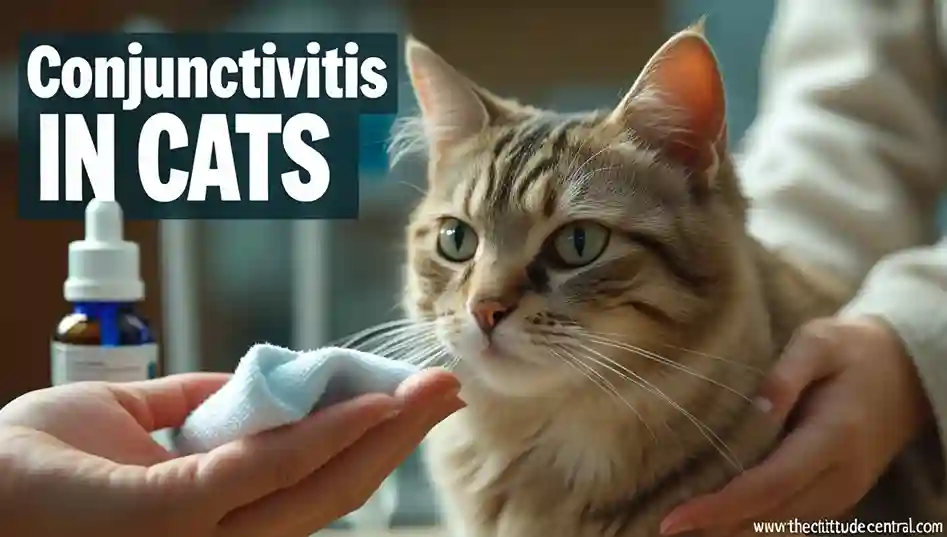
Cat eye infections are a common concern for pet owners, often causing discomfort and worry for both the feline and their human companions. These infections can stem from various causes, such as bacteria, viruses, allergies, or even foreign objects lodged in the eye. While home remedies can offer supportive care for mild cases, it’s critical to emphasize that consulting a veterinarian is essential for a proper diagnosis and treatment plan. This comprehensive guide explores safe and effective home remedies to help alleviate your cat’s eye discomfort, complementing professional veterinary care. From gentle cleaning techniques to environmental adjustments, we’ll cover practical steps to support your cat’s recovery while ensuring their safety and comfort.
The goal of this blog post is to empower cat owners with knowledge about managing mild eye infections at home while highlighting the importance of professional guidance. Whether you’re dealing with a watery eye, crusty discharge, or mild redness, these remedies can provide relief when used responsibly. Let’s dive into understanding cat eye infections and how you can help your furry friend feel better.
Recognizing Symptoms of Cat Eye Infections
Before attempting any home remedies for a cat eye infection, it’s crucial to recognize the signs of an issue. Cats are masters at hiding discomfort, so paying close attention to their behavior and eye appearance is key. Common symptoms include:
- Redness or inflammation: The whites of the eyes or surrounding tissue may appear pink or red.
- Discharge: This can range from clear and watery to thick, yellow, or green, indicating possible infection.
- Squinting or blinking excessively: Your cat may partially close the affected eye due to discomfort.
- Excessive tearing: Watery eyes can signal irritation or an underlying issue.
- Cloudiness or haziness: A cloudy cornea may indicate a more serious condition, like a corneal ulcer.
- Crusty buildup: Dried discharge around the eyes can cause crusting.
- Behavioral changes: Pawing at the eye, sensitivity to light, or reduced appetite may suggest pain or discomfort.
If symptoms are severe, persistent (lasting more than 24-48 hours), or accompanied by vision changes, immediate veterinary attention is necessary. Conditions like corneal ulcers or feline herpesvirus require professional intervention, and delaying treatment can worsen the issue. Recognizing these signs early allows you to decide whether home remedies are appropriate or if a vet visit is urgent.
Safe Home Remedies for Cat Eye Infections
When dealing with mild cat eye infections, several home remedies can provide relief and support recovery. These methods are intended to complement, not replace, veterinary care. Always consult a vet before starting any treatment to ensure it’s safe for your cat’s specific condition. Below are detailed, vet-approved home remedies to help soothe your cat’s eyes.
Gentle Eye Cleaning
Cleaning your cat’s eyes is often the first step in managing a mild infection. Discharge and debris can irritate the eye further, so keeping the area clean is essential.
- How to do it: Use a clean, warm, damp cloth or sterile gauze to gently wipe away discharge. For a more thorough rinse, prepare a homemade saline solution by mixing 1/4 teaspoon of non-iodized salt with 1 cup of distilled water (boil and cool the water for sterility). Dip a clean cloth in the solution and gently wipe the eye, moving from the inner corner outward.
- Tips: Avoid using cotton balls or swabs, as loose fibers can scratch the cornea. Clean each eye with a fresh cloth to prevent cross-contamination. Perform this 2-3 times daily for mild symptoms.
- Why it works: Removing discharge reduces irritation and prevents bacteria from building up, supporting the healing process.
Warm Compress Application
A warm compress can help reduce swelling, soothe discomfort, and loosen crusty discharge.
- How to do it: Soak a clean, soft cloth in lukewarm water (test the temperature on your wrist to ensure it’s not hot). Gently place the cloth over the affected eye for 5-10 minutes, re-wetting as needed to maintain warmth.
- Tips: Use a fresh cloth for each session and ensure it’s sterile to avoid introducing bacteria. Be gentle, as pressing too hard can cause pain.
- Why it works: The warmth promotes blood flow, reduces inflammation, and helps clear blockages in tear ducts, providing relief for your cat.
Chamomile Tea Rinse
Chamomile tea is known for its anti-inflammatory and soothing properties, making it a popular natural remedy for mild eye irritation.
- How to do it: Brew pure, organic chamomile tea (ensure it’s free of additives or caffeine) and let it cool to room temperature. Soak a sterile gauze pad in the tea and gently wipe the affected eye, or use a clean dropper to apply a few drops as a rinse.
- Tips: Use only vet-approved chamomile tea, and consult your veterinarian before trying this remedy. Avoid getting tea in the eye if your cat resists, as forcing it can cause stress.
- Why it works: Chamomile’s mild antiseptic and calming properties can reduce redness and irritation, making it a gentle option for supportive care.
Boosting Immune Health
A strong immune system helps your cat fight off infections more effectively. Supporting overall health can aid in recovery from mild eye infections.
- How to do it: Ensure your cat has constant access to fresh, clean water to stay hydrated. Offer high-quality, nutrient-rich food, such as wet food with high protein content, to support immune function. Consider adding vet-approved supplements, like L-lysine for cats with viral infections (only under veterinary guidance).
- Tips: Monitor your cat’s appetite, as reduced eating can signal worsening symptoms. Consult a vet before introducing supplements.
- Why it works: Proper hydration and nutrition strengthen the immune system, helping the body combat the underlying cause of the eye infection.
Environmental Management
A clean, irritant-free environment can prevent reinfection and reduce eye irritation.
- How to do it: Regularly wash your cat’s bedding, toys, and litter box to eliminate bacteria or allergens. Vacuum the home to reduce dust and use air purifiers to minimize airborne irritants like pollen or smoke.
- Tips: Avoid using strong cleaning chemicals near your cat, as fumes can irritate their eyes. Keep their living space well-ventilated.
- Why it works: Reducing environmental irritants lowers the risk of aggravating the infection and supports healing.
Herbal Support (With Caution)
Certain herbal remedies, like calendula (marigold) tea, may offer mild antiseptic benefits for eye infections, but they must be used cautiously.
- How to do it: Brew a weak calendula tea using organic, vet-approved herbs, cool it completely, and use it as a rinse with sterile gauze. Apply sparingly to avoid irritation.
- Tips: Always consult a vet before using herbal remedies, as some herbs can be toxic to cats. Discontinue if any adverse reactions occur.
- Why it works: Calendula’s mild antiseptic properties may help reduce bacterial growth, but it’s not a substitute for prescribed treatments.
Preventive Measures
Preventing cat eye infections is just as important as treating them. By incorporating proactive habits, you can reduce the likelihood of future issues.
Regular Eye Monitoring
Routinely check your cat’s eyes for early signs of irritation, such as redness, tearing, or discharge. Catching problems early allows for prompt intervention, whether through home remedies for mild issues or veterinary care for more serious conditions.
- How to do it: Gently examine your cat’s eyes during grooming sessions. Look for changes in color, clarity, or behavior, such as squinting or pawing.
- Tips: Use a flashlight in dim light to check for cloudiness or foreign objects, but avoid shining it directly into the eyes.
Vaccination and Health Maintenance
Keeping your cat’s vaccinations up-to-date can protect against viral causes of eye infections, such as feline herpesvirus.
- How to do it: Follow your vet’s recommended vaccination schedule. Schedule annual checkups to monitor overall health and catch potential issues early.
- Tips: Discuss L-lysine supplements with your vet if your cat is prone to herpesvirus-related eye infections.
Allergen and Irritant Control
Environmental allergens and irritants can trigger or worsen eye infections.
- How to do it: Use HEPA air purifiers to reduce pollen, dust, and pet dander. Avoid exposing your cat to cigarette smoke, perfumes, or harsh cleaning products.
- Tips: Keep windows closed during high-pollen seasons and clean your cat’s living area regularly with pet-safe products.
Grooming Practices
Proper grooming can prevent eye irritation, especially in long-haired breeds.
- How to do it: Trim fur around the eyes to prevent it from poking or irritating the eye. Use a damp cloth to clean tear stains regularly, as they can harbor bacteria.
- Tips: Be cautious when trimming fur, and consider professional grooming for breeds like Persians or Himalayans.
Precautions and Limitations
While home remedies can help with mild cat eye infections, they have limitations and must be used cautiously.
- Avoid human medications: Never use over-the-counter human eye drops, ointments, or other medications unless prescribed by a vet, as they can be toxic or worsen the condition.
- Do not treat severe conditions at home: Serious issues like corneal ulcers, deep scratches, or infections causing vision changes require immediate veterinary care.
- Monitor symptoms closely: If symptoms worsen (e.g., increased discharge, swelling, or pain) or show no improvement within 24-48 hours, stop home remedies and consult a vet.
- Avoid forcing treatments: Forcing a cat’s eye open or applying remedies aggressively can cause stress or injury. Use gentle techniques and stop if your cat resists.
When to Consult a Veterinarian
Knowing when to seek professional help is critical for your cat’s health. Home remedies are not a substitute for veterinary care, especially for persistent or severe symptoms.
- When to act: Seek a vet immediately if you notice:
- Symptoms lasting more than 24-48 hours without improvement.
- Thick, yellow, or green discharge.
- Cloudiness, haziness, or visible scratches on the cornea.
- Severe squinting, pain, or vision changes.
- Signs of systemic illness (e.g., lethargy, fever, or reduced appetite).
- Why it matters: A vet can diagnose underlying causes, such as feline herpesvirus, bacterial infections, or allergies, and prescribe appropriate treatments like antibiotic drops, antiviral medications, or steroids.
- What to expect: The vet may perform tests (e.g., fluorescein staining for ulcers) and provide tailored treatment plans to address the root cause.
FAQs About Cat Eye Infections
Below are answers to common questions about cat eye infections, sourced from trending Google searches to address pet owners’ top concerns.
What causes cat eye infections?
Cat eye infections can result from bacteria (e.g., Chlamydia, Mycoplasma), viruses (e.g., feline herpesvirus, calicivirus), allergies, foreign objects, or trauma. Upper respiratory infections often lead to conjunctivitis, causing eye symptoms.
Can I use human eye drops for my cat’s eye infection?
No, human eye drops can contain ingredients harmful to cats and may worsen the condition. Always consult a veterinarian for safe, pet-specific medications.
How long does a cat eye infection last?
Mild infections may resolve within a few days with proper care, but persistent or severe cases can last longer without treatment. The duration depends on the cause, such as bacterial or viral infections, and timely veterinary intervention.
Is a cat eye infection contagious to other cats or humans?
Some infections, like those caused by feline herpesvirus or Chlamydia, are contagious to other cats but rarely to humans. Wash your hands after handling your cat to prevent spreading bacteria or viruses.
Can I treat my cat’s eye infection at home without a vet?
Home remedies like saline rinses or warm compresses can help with mild symptoms, but a vet visit is essential to diagnose the cause and rule out serious conditions like corneal ulcers or viral infections.
How can I tell if my cat’s eye infection is serious?
Serious signs include persistent or worsening symptoms, thick or green discharge, cloudiness, squinting, pain, or vision changes. These require immediate veterinary attention to prevent complications.
Are there natural remedies that are safe for cat eye infections?
Safe natural remedies include saline solution rinses, chamomile tea rinses, and warm compresses, but only with veterinary approval. Avoid unapproved herbal treatments or essential oils, which can be toxic to cats.
Supporting Your Cat’s Comfort
Helping your cat feel comfortable during recovery is just as important as treating the infection itself. A calm, stress-free environment can make a big difference.
Stress Reduction
Stress can weaken your cat’s immune system and slow recovery.
- How to do it: Provide a quiet, cozy space for your cat to rest, away from loud noises or other pets. Use familiar bedding and toys to create a sense of security.
- Tips: Avoid sudden changes in routine, and offer extra affection to keep your cat calm.
Gentle Handling
Administering remedies requires a gentle approach to avoid causing stress or injury.
- How to do it: Approach your cat calmly and speak softly. Use treats or positive reinforcement to make the process easier. If your cat resists, take breaks and try again later.
- Tips: Wrap your cat in a towel (burrito-style) to keep them secure during cleaning or compress application.
Monitoring Recovery
Tracking your cat’s progress helps you determine if home remedies are working or if a vet visit is needed.
- How to do it: Keep a daily log of symptoms, noting changes in discharge, redness, or behavior. Take photos to track visual improvements.
- Tips: Report any side effects from remedies (e.g., increased irritation) to your vet immediately.
Conclusion
Caring for a cat with an eye infection can feel overwhelming, but with the right approach, you can provide comfort and support at home. Safe home remedies, such as saline rinses, warm compresses, and chamomile tea, can help manage mild symptoms, while proper nutrition and a clean environment support overall recovery. However, these remedies are not a cure-all. Consulting a veterinarian is essential to diagnose the underlying cause and ensure your cat receives appropriate treatment, especially for persistent or severe symptoms.
By combining these home remedies with proactive prevention and attentive care, you can help your feline friend recover comfortably and quickly. Always prioritize your cat’s health by seeking professional advice when needed, and monitor their symptoms closely to catch any issues early. With patience and care, your cat’s bright, healthy eyes will be shining again in no time.
Sources
- American Society for the Prevention of Cruelty to Animals (ASPCA).
- Cornell Feline Health Center.
- VCA Animal Hospitals.
- PetMD.
- The Spruce Pets.
Note: Always consult a veterinarian before starting any home remedy to ensure it’s safe and appropriate for your cat’s specific condition.