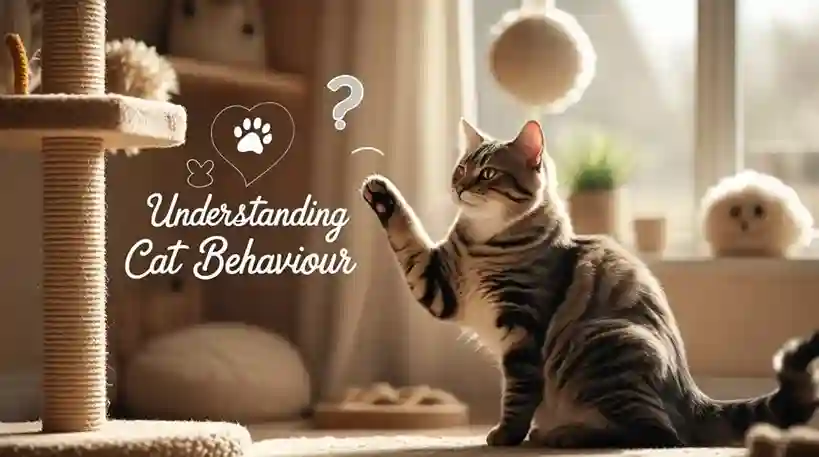
Cats have long fascinated humans with their enigmatic behaviors and expressive faces. From a playful pounce to a slow blink, our feline friends seem to communicate a range of emotions. But one question often sparks curiosity among cat owners: Do cats feel guilt? When your cat knocks over a vase or scratches the furniture, that sheepish look might make you think they’re feeling remorse. But is it really guilt, or are we projecting human emotions onto our pets?
This comprehensive guide dives into the science of feline emotions, explores whether cats feel guilt, and offers practical tips for understanding your cat’s behavior. Along the way, we’ll highlight relevant Amazon products to enhance your cat’s well-being and address common FAQs sourced from Google Trends.
Table of Contents
🐾 Recommended for Pet Parents
Discover trusted resources, tips and tools for your furry friend!
Explore Free Pet Resources →Understanding Feline Emotions
Cats are complex creatures with a rich emotional life. While they may not experience emotions in the same way humans do, research suggests they feel a range of emotions, including happiness, fear, and even affection. However, do cats feel guilt? To answer this, we need to explore how cats process emotions and how their behaviors differ from human expressions of remorse.
The Science Behind Cat Emotions
Studies in animal behavior, such as those by Dr. John Bradshaw, author of Cat Sense, show that cats have a different emotional framework than humans. Their brains are wired to prioritize survival instincts like hunting and self-preservation over complex social emotions like guilt. Unlike dogs, which have been domesticated to read human cues more closely, cats are more independent. This independence shapes how they interact with their environment and their owners.
When we ask, do cats feel guilt, we’re often interpreting their body language—lowered ears, wide eyes, or a crouched posture—as signs of remorse. However, animal behaviorists suggest these are more likely signs of fear, stress, or submission in response to an owner’s reaction, not an internal sense of guilt.
Anthropomorphism: Projecting Human Emotions
Humans tend to anthropomorphize their pets, attributing human-like emotions to their actions. That “guilty” look your cat gives after shredding your couch might be a reaction to your tone of voice or body language, not an admission of wrongdoing. According to a 2015 study published in Applied Animal Behaviour Science, cats respond to environmental cues and their owner’s emotions, which can mimic guilt but are more about self-preservation. So, while it’s tempting to believe cats feel guilt, the evidence points to a different story.
Why Cats Behave the Way They Do
To understand whether cats feel guilt, we need to examine why cats act in ways that seem remorseful. Let’s break down common behaviors often mistaken for guilt and what they really mean.
Common “Guilty” Behaviors in Cats
- Hiding After a Misdeed: If your cat darts under the bed after knocking over a plant, it’s likely reacting to the noise or your reaction, not feeling guilt. Cats are sensitive to sudden changes in their environment, and hiding is a natural response to perceived threats.
- Avoiding Eye Contact: That averted gaze might look like shame, but it’s often a sign of submission or discomfort. Cats use eye contact differently than humans, and avoiding it can signal they’re trying to de-escalate a tense situation.
- Crouching or Flattened Ears: These postures are typically associated with fear or anxiety, not guilt. If you raise your voice or approach quickly, your cat may interpret this as a threat, prompting defensive behaviors.
The Role of Training and Reinforcement
Cats learn through association. If they knock over a glass and you scold them, they may associate the scolding with the action or your presence, not the act itself. This is why punishment often fails to correct unwanted behaviors in cats. Instead, positive reinforcement, like rewarding good behavior with treats, is more effective. For example, the Catit Treat Ball available on Amazon is a great tool to encourage positive behaviors by rewarding your cat with treats for engaging with the toy.
Product Spotlight: Tools to Manage Cat Behavior
To redirect behaviors that might make you question, do cats feel guilt, consider these Amazon products:
- PetSafe SSSCAT Spray Deterrent: This motion-activated spray discourages cats from jumping on counters or scratching furniture without causing stress, helping you avoid situations where you might misinterpret their reactions as guilt.
- Feliway Classic Cat Calming Diffuser: This pheromone diffuser can reduce stress-related behaviors, creating a calmer environment for your cat and reducing the likelihood of “guilty” looks caused by anxiety.
Do Cats Feel Guilt? The Expert Opinion
The consensus among veterinarians and animal behaviorists is that cats do not feel guilt in the human sense. Guilt requires a level of self-awareness and moral understanding that cats likely don’t possess. Dr. Mikel Delgado, a certified cat behavior consultant, explains that cats lack the cognitive capacity for guilt because it involves understanding abstract concepts like right and wrong. Instead, their “guilty” behaviors are often responses to their owner’s cues or environmental stressors.
Studies on Feline Emotions
A 2008 study in Behavioural Processes found that cats primarily respond to immediate stimuli rather than reflecting on past actions. This means that when you come home to a shredded couch, your cat isn’t feeling remorse—they’re reacting to your current mood or the immediate environment. So, when we ask, do cats feel guilt, the answer leans heavily toward no.
Comparing Cats to Dogs
Interestingly, dogs are often perceived as displaying guilt, but even this is debated. A 2009 study by Alexandra Horowitz found that dogs’ “guilty” looks were more about responding to their owner’s cues than an internal sense of wrongdoing. Cats, being less socially dependent on humans, are even less likely to exhibit guilt-like behaviors. This distinction further supports the idea that cats don’t feel guilt in the way we might assume.
How to Interpret Your Cat’s Behavior
If cats don’t feel guilt, how should you respond to unwanted behaviors? Understanding your cat’s motivations is key to fostering a positive relationship. Here are some tips to interpret and manage their actions effectively:
Observe Body Language
Instead of assuming your cat feels guilt, pay attention to their body language. A tucked tail, dilated pupils, or flattened ears suggest stress or fear. Addressing the root cause—whether it’s a loud noise, a new environment, or your reaction—can help reduce these behaviors.
Create a Positive Environment
Cats thrive in environments where they feel safe and stimulated. Providing enrichment, like toys or scratching posts, can prevent destructive behaviors that might be mistaken for guilt. The Petstages Tower of Tracks Cat Toy on Amazon is an excellent choice to keep your cat engaged and reduce unwanted behaviors.
Avoid Punishment
Punishing a cat for unwanted behavior can increase stress and lead to more “guilty” looks, perpetuating the cycle. Instead, use positive reinforcement to encourage good behavior. For example, the TEMPTATIONS Classic Crunchy Cat Treats on Amazon can reward your cat for using a scratching post instead of your furniture.
Practical Tips for Cat Owners
To build a stronger bond with your cat and reduce behaviors that might make you wonder, do cats feel guilt, try these practical strategies:
- Provide Enrichment: Cats need mental and physical stimulation. Interactive toys like the Cat Dancer Wand Toy on Amazon can keep your cat entertained and less likely to engage in destructive behaviors.
- Use Positive Reinforcement: Reward desired behaviors with treats or affection to reinforce them.
- Create Safe Spaces: Ensure your cat has a quiet place to retreat when stressed, like a cozy cat bed or a perch. The K&H Pet Products Heated Cat Bed on Amazon is perfect for creating a comforting space.
- Consult a Behaviorist: If unwanted behaviors persist, a certified cat behaviorist can provide tailored advice.
FAQs About Cats and Guilt
Here are answers to common questions about do cats feel guilt, sourced from Google Trends and pet-related searches:
Can cats feel guilt like humans?
No, cats don’t feel guilt in the human sense. Their “guilty” behaviors are often reactions to stress, fear, or their owner’s cues, not an understanding of right or wrong.
Why does my cat look guilty after doing something wrong?
Your cat’s “guilty” look is likely a response to your tone, body language, or environmental changes. Cats are sensitive to their surroundings and may appear submissive or anxious, which can be mistaken for guilt.
How can I stop my cat from destructive behaviors?
Use positive reinforcement, provide enrichment, and create a stress-free environment. Products like the Feliway Diffuser or Petstages Scratching Post on Amazon can help redirect unwanted behaviors.
Do cats understand punishment?
Cats don’t connect punishment with their actions the way humans do. Punishment can increase stress and worsen behaviors. Instead, reward positive actions with treats or playtime.
Are some cat breeds more likely to seem guilty?
Certain breeds, like Siamese or Maine Coons, may appear more expressive due to their vocal or social nature, but this doesn’t mean they feel guilt. Their behaviors are still driven by instinct and environmental cues.
Conclusion
So, do cats feel guilt? The evidence suggests they don’t. What we perceive as guilt is often a cat’s response to stress, fear, or our own emotions. By understanding feline behavior, using positive reinforcement, and providing a stimulating environment, you can reduce unwanted behaviors and build a stronger bond with your cat.
Products like the Feliway Diffuser, Catit Treat Ball, and Petstages Tower of Tracks available on Amazon can support your cat’s well-being and help you manage their behavior effectively. Next time your cat gives you that “guilty” look, remember—it’s not about remorse but about their unique way of navigating the world.
Sources
- Bradshaw, J. (2013). Cat Sense: How the New Feline Science Can Make You a Better Friend to Your Pet. Basic Books.
- Horowitz, A. (2009). “Disambiguating the ‘guilty look’: Salient prompts to a familiar dog behaviour.” Behavioural Processes.
- McComb, K., et al. (2015). “Cat vocalizations and human emotional response.” Applied Animal Behaviour Science.
- Delgado, M. (2020). The Cat Behavior Answer Book. Storey Publishing.
- American Pet Product Association (2019). Pet Industry Market Size & Ownership Statistics.