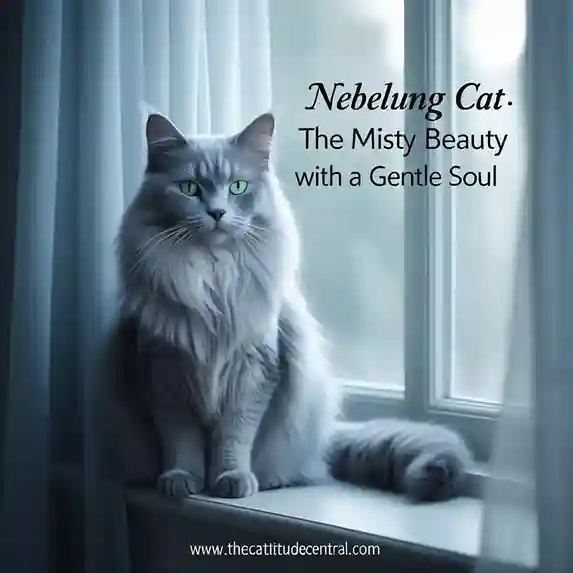
Imagine a cat that glides through your home like a wisp of mist, its blue-gray coat shimmering under soft light, green eyes glowing with quiet intelligence. Meet the Nebelung cat, a rare feline breed that feels like it stepped out of a fairy tale. Known as the “creature of the mist,” this long-haired cousin of the Russian Blue captivates with its elegance, loyalty, and dog-like devotion. But with their rarity and specific needs, are they the right companion for you?
In this ultimate guide, we’ll unravel the Nebelung’s mystique, diving deep into their history, personality, care requirements, and more. Whether you’re a cat enthusiast, a first-time owner, or dreaming of adopting one of these elusive beauties, this post has everything you need to know. Let’s embark on a journey into the world of the Nebelung!
Table of Contents
🐾 Recommended for Pet Parents
Discover trusted resources, tips and tools for your furry friend!
Explore Free Pet Resources →Introduction to the Nebelung
Overview
The Nebelung is a breed that feels like a secret whispered among cat lovers. With its semi-long, blue-gray coat and ethereal presence, it’s no wonder the name “Nebelung” translates to “creature of the mist” in German. This rare feline, developed in the 1980s, combines the Russian Blue’s sleek elegance with a flowing, silvery mane, creating a cat that’s both regal and enchanting. But beyond their looks, Nebelungs are known for their gentle, loyal nature, making them cherished companions for those who earn their trust.
Key Characteristics
Think of the Nebelung as the Russian Blue’s glamorous sibling. They share the same vivid green eyes and blue-gray fur but stand out with their longer, double-layered coat and plumed tail. These cats are intelligent, playful, and dog-like—some even fetch toys or walk on a leash! However, their shyness around strangers and preference for calm homes mean they’re not for everyone. If you crave a devoted, low-key companion, the Nebelung might steal your heart.
Physical Appearance
Body Structure
Picture a cat that moves with the grace of a dancer. Nebelungs have a medium-sized, muscular yet slender frame, typically weighing 6–12 pounds (males are heavier). Their long neck, legs, and tail create a balanced, elegant silhouette, perfect for perching on high shelves or gliding across your living room. This athletic build reflects their Russian Blue heritage, blending strength with refinement.
Coat
The Nebelung’s coat is its crowning glory. Semi-long and double-layered, it features a dense undercoat for warmth and a glossy topcoat that shimmers like moonlight on water. Exclusively blue-gray, the fur is often silver-tipped, giving it a misty, almost translucent glow. This coat takes two years to fully mature, and the plumed tail—often as long as the body—adds a dramatic flourish. Regular grooming keeps this masterpiece tangle-free, but more on that later.
Facial Features
One look into a Nebelung’s eyes, and you’re hooked. Their almond-shaped, vivid green or yellowish-green eyes radiate intelligence and curiosity. Large, pointed ears, set wide and slightly forward, give them an alert, attentive expression. The wedge-shaped head, with a slightly convex profile, mirrors the Russian Blue’s refined look, making Nebelungs a study in feline symmetry.
Distinctive Traits
What sets Nebelungs apart? It’s the interplay of their shimmering coat and ethereal aura. Unlike other long-haired breeds like the Maine Coon, their fur is finer and less shaggy, creating a sleeker profile. In dim light, they seem to glow, earning their “creature of the mist” moniker. Yet, they’re often mistaken for Russian Blues until their flowing fur catches the eye.
Personality and Temperament
Core Traits
Nebelungs are the introverts of the cat world—deeply loyal but selective with their affection. They form tight bonds with one or two family members, shadowing them like a furry guardian. Their intelligence shines through in play, as they master tricks like fetch or solve puzzle toys with ease. Dog-like behaviors, like responding to their name or learning to walk on a leash, make them endlessly fascinating. Expect a cat that’s playful yet calm, content to lounge near you after a spirited chase.
Social Behavior
Don’t expect a Nebelung to warm up to guests right away. They’re shy, preferring the comfort of familiar faces. With other pets, they’re cautious but compatible with calm cats or cat-friendly dogs if introduced slowly. Their ideal home? A quiet sanctuary where they can observe from a cat tree or curl up beside you. Noisy households or frequent visitors? Not their vibe.
Sensitivity
Nebelungs feel everything deeply. A change in routine, a loud argument, or a new piece of furniture can unsettle them. This sensitivity makes them prone to stress-related behaviors like hiding or overgrooming, so stability is key. They also pick up on your mood, offering quiet comfort when you’re down. Think of them as an emotional barometer for your home.
Vocalization
Unlike chatty breeds like the Siamese, Nebelungs are soft-spoken. Their repertoire includes gentle chirps, trills, and purrs, often reserved for intimate moments. They “talk” more with body language—a flick of the tail, a slow blink, or a nudge to your hand. This understated communication adds to their mystique.
History and Origin
Development in the 1980s
The Nebelung’s story begins in Denver, Colorado, with a visionary breeder named Cora Cobb. In 1984, two kittens, Siegfried and Brunhilde, were born from a black domestic shorthair and a Russian Blue-like cat. Their long, blue-gray coats and elegant frames inspired Cobb to create a new breed—a long-haired Russian Blue. This marked the Nebelung’s birth, a labor of love to preserve their unique beauty.
Breeding Program
Cobb’s breeding program was meticulous. Russian Blues were used as outcrosses to maintain the Nebelung’s sleek body, green eyes, and temperament while enhancing genetic diversity. Strict standards ensured the blue-gray coat and misty shimmer remained consistent. Even today, responsible breeders prioritize health and type, keeping the breed’s population small but robust.
Recognition
By 1987, The International Cat Association (TICA) recognized the Nebelung, a milestone for such a young breed. The Cat Fanciers’ Association (CFA) and other bodies later granted preliminary or full status, though Nebelungs remain rare. Their exclusivity adds allure, with only a few hundred registered annually worldwide.
Naming Inspiration
The name “Nebelung” is a nod to Germanic mythology, evoking the misty landscapes of the Nibelungenlied epic. Siegfried and Brunhilde, the foundation cats, were named after characters in Wagner’s Ring Cycle, tying the breed to a rich cultural tapestry. This mythological connection underscores their otherworldly charm.
Comparison Table: Nebelung vs. Russian Blue vs. Maine Coon
To help you decide if a Nebelung is your perfect match, here’s a detailed comparison with two related breeds: the Russian Blue (its short-haired cousin) and the Maine Coon (a popular long-haired giant).
| Feature | Nebelung | Russian Blue | Maine Coon |
| Coat Type | Semi-long, double-layered, blue-gray | Short, dense, blue-gray | Long, shaggy, various colors/patterns |
| Coat Maintenance | Moderate (2–3x/week brushing) | Low (1–2x/week brushing) | High (3–4x/week brushing) |
| Size | Medium (6–12 lbs) | Medium (7–12 lbs) | Large (10–25 lbs) |
| Eyes | Vivid green or yellowish-green | Vivid green | Green, gold, or copper |
| Temperament | Shy, loyal, dog-like, sensitive | Reserved, affectionate, playful | Friendly, sociable, dog-like |
| Social with Strangers | Shy, cautious | Reserved, wary | Outgoing, welcoming |
| Activity Level | Moderate, playful | Moderate, agile | High, energetic |
| Vocalization | Quiet, soft chirps | Quiet, gentle meows | Chatty, trills and chirps |
| Lifespan | 11–18 years | 10–20 years | 12–15 years |
| Rarity | Very rare | Moderately rare | Common |
| Ideal Home | Quiet, stable, small households | Quiet, calm environments | Active, spacious homes |
| Health Issues | Obesity, dental, stress-related | Obesity, bladder stones | Hip dysplasia, HCM, obesity |
| Price (Breeder) | $600–$2,000 | $400–$1,500 | $800–$2,500 |
Takeaway: Nebelungs offer a middle ground—more grooming than Russian Blues but less than Maine Coons, with a temperament suited for quiet homes. If you love the Russian Blue’s elegance but want a fluffier companion, the Nebelung is ideal. For busier households, a Maine Coon’s sociability might fit better.
Care Requirements
Grooming
The Nebelung’s coat demands regular attention to stay silky and mat-free. Brush 2–3 times weekly for 5–10 minutes using a stainless steel comb (try the Furminator, $20–$40) for the undercoat and a slicker brush (Safari, $10–$20) for the topcoat. During spring and fall shedding, daily brushing prevents furballs. Bathe every 2–3 months with cat-safe shampoo to keep their shimmer intact. Check ears weekly for wax (clean with Virbac Epi-Otic), trim nails biweekly, and brush teeth with pet toothpaste to prevent gingivitis.
Nutrition
Feed your Nebelung a high-protein, high-quality diet to support their coat and muscles. Wet food (3–6 oz daily, e.g., Royal Canin) aids hydration and dental health, while dry food (1/4–1/2 cup, e.g., Hill’s Science Diet) is convenient. Avoid fillers like corn or soy. Portion control prevents obesity, a common issue. Offer fresh water via a fountain (PetSafe, $20–$50) to encourage drinking, reducing urinary risks.
Exercise and Enrichment
Nebelungs need 20–30 minutes of daily play to stay fit and stimulated. Feather wands, laser pointers, or balls spark their hunting instincts. Puzzle feeders challenge their brains, while cat trees (Frisco, $50–$150) and window perches satisfy their love of heights. Leash training with a harness (Kitty Harness, $20) offers safe outdoor fun. Rotate toys weekly to keep them engaged.
Health Monitoring
Annual vet visits are non-negotiable for vaccinations, dental exams, and parasite control. Watch for stress signs—hiding, appetite loss, or overgrooming—and address triggers like noise or change. Budget $100–$500 yearly for routine care, plus $500–$2,000 for emergencies (e.g., dental surgery). With proper care, Nebelungs live 11–18 years, bringing years of joy.
Ideal Environment
Nebelungs crave quiet, stable homes. A predictable routine—same feeding times, clean litter box (1 per cat + 1)—keeps them calm. Indoors is safest, but a cat-proofed patio (catio, $200–$500) offers fresh air. Provide hiding spots like cat igloos ($20) or tunnels for stress relief. They’re perfect for apartments or small homes but struggle in chaotic settings.
Health Considerations
Common Issues
Nebelungs are robust but face specific risks:
- Obesity: Overfeeding or inactivity leads to weight gain. Stick to measured portions and daily play.
- Dental Disease: Gingivitis is common; brush weekly or use dental treats (Greenies, $5–$10).
- Stress-Related Conditions: Feline lower urinary tract disease (FLUTD) or cystitis can arise from stress, with symptoms like straining or bloody urine. Anxiety may cause overgrooming or litter box avoidance.
- Polycystic Kidney Disease (PKD): Rare, inherited from Russian Blues; causes kidney cysts.
- Hypertrophic Cardiomyopathy (HCM): Occasional heart condition; screening is key.
Genetic Health
Reputable breeders test for PKD and HCM, providing health clearances for parents. Ask for these when buying. Responsible breeding minimizes risks, ensuring healthier kittens.
Preventive Care
Spay or neuter by 5–7 months to reduce cancer risks and behaviors like spraying. Use flea, tick, and heartworm prevention (e.g., Advantage II, $40/month). Monitor for subtle illness signs—lethargy, dull coat—as Nebelungs hide discomfort. Pet insurance ($10–$50/month) cushions unexpected costs.
Training and Behavior Management
Trainability
Nebelungs are brainy cats who thrive on training. Use positive reinforcement—treats (Freeze-Dried Chicken, $5) or a clicker ($5)—to teach tricks like fetch, sit, or high-five. Leash training starts indoors with a harness, progressing to short outdoor walks. Patience is key; 5-minute daily sessions yield results.
Socialization
Early exposure (2–12 weeks) to people, pets, and sounds reduces shyness. For new pets, use scent swapping and gradual meetings. Reward calm behavior around strangers with treats. Nebelungs take time to trust but blossom with consistency.
Litter Box Training
Nebelungs are fastidious, naturally using litter boxes. Provide one per cat plus one extra, cleaned daily (clumping litter, $10–$20/month). Stress or medical issues (e.g., FLUTD) may cause avoidance; consult a vet if problems arise.
Managing Undesirable Behaviors
- Scratching: Offer scratching posts with catnip; use double-sided tape ($5) on furniture.
- Hiding: Normal when stressed; provide safe spaces and wait it out.
- Overgrooming: Check for allergies or medical issues; reduce stress with Feliway ($20).
Adoption and Availability
Finding a Nebelung
The Nebelung’s rarity makes finding one a bit like searching for a hidden gem, but with patience and strategy, you can bring this misty feline into your life. Their limited population—only a few hundred registered globally each year—means you’ll need to explore multiple avenues, from shelters to reputable breeders. Here’s how to start your quest.
- Shelters and Rescues: Nebelungs are unicorns in shelters, but they do appear occasionally, often as surrenders or misidentified Russian Blue mixes. Adoption fees range from $50 to $200, covering spay/neuter, vaccinations, and microchipping. Start with local organizations like the ASPCA or Humane Society, but don’t overlook breed-specific rescues. Groups like the Russian Blue Rescue Network sometimes take in Nebelungs or similar long-haired variants. Online platforms like Petfinder (www.petfinder.com) (www.petfinder.com) or Adopt-a-Pet (www.adoptapet.com) (www.adoptapet.com) let you filter by breed or description—search “Nebelung” or “long-haired Russian Blue” to catch mixes. Pro tip: Set up alerts for new listings, as these cats are snapped up quickly.
- Reputable Breeders: Most Nebelungs come from dedicated breeders, primarily in the USA, Europe, and Australia. Expect to pay $600 to $2,000 for a pet-quality kitten, with show-quality cats fetching higher prices. The International Cat Association (TICA, www.tica.org) and Cat Fanciers’ Association (CFA, www.cfa.org) offer breeder directories; look for Nebelung Breed Committee members for the most committed professionals. Reputable breeders provide health clearances for polycystic kidney disease (PKD) and hypertrophic cardiomyopathy (HCM), socialization records, and spay/neuter contracts. Visit their facility or arrange a video tour to ensure clean, ethical conditions. Beware of red flags: prices below $500, no health tests, or pressure to buy without meeting the kitten.
- Online Communities and Social Media: The digital world is a treasure trove for Nebelung seekers. On X, search hashtags like #Nebelung or #Nebulung to find owner posts, rescue announcements, or breeder recommendations. For example, a recent X post from @CatLover123 shared a rescue Nebelung in Texas, sparking a thread of adoption tips. Reddit’s r/Nebelung and r/RussianBlue communities are goldmines for connecting with owners who may know of available cats or breeders. Breed forums, like those on TICA’s website, also host discussions about litters. However, verify any online leads—scammers often pose as breeders on platforms like Craigslist. Always request health documents and references before sending deposits.
Questions to Ask
Whether adopting or buying, asking the right questions ensures you’re getting a healthy, well-socialized Nebelung. Here’s a checklist:
- Health History: Are the kitten’s parents tested for PKD, HCM, and other hereditary conditions? Can you see vet records or genetic screening results?
- Socialization Practices: How has the cat been exposed to people, pets, and household sounds? Early socialization (2–12 weeks) reduces shyness, a Nebelung trait.
- Contract Terms: Does the breeder require spay/neuter by a certain age? Is there a health guarantee or return policy if issues arise?
- Living Conditions: For breeders, ask about the cattery—how many cats are housed, and what’s the daily care routine? For rescues, inquire about the cat’s background (e.g., reason for surrender, behavior in foster care).
- Diet and Care: What food, litter, and grooming routines does the cat follow? This helps ease the transition to your home.
Adoption Considerations
Bringing a Nebelung home is a commitment, so assess your readiness:
- Home Environment: Is your home quiet and stable? Nebelungs thrive in serene settings but may struggle with loud kids, frequent guests, or chaotic schedules. Cat-proof your space—secure windows, remove toxic plants (e.g., lilies), and provide hiding spots like cat igloos ($20–$40).
- Bonding Time: Nebelungs can take weeks to months to fully trust you, especially adults from rescues. Be patient, offering treats and quiet interaction to build rapport.
- Budget: Beyond adoption or purchase costs, plan for ongoing expenses: food ($20–$50/month), grooming supplies ($50–$100/year), litter ($10–$20/month), and vet care ($100–$500/year for routine visits, up to $2,000 for emergencies). Pet insurance ($10–$50/month) can offset unexpected costs.
- Lifestyle Fit: If you travel often or have a hectic routine, a Nebelung may not be ideal. They crave consistency and your presence.
Adopting a Nebelung is a journey, but the reward—a loyal, misty companion—is worth every step. Start by checking Petfinder or TICA today, and join X’s #Nebelung community for real-time leads.
Cultural Impact and Popularity
Media and Social Media
The Nebelung may be rare, but it’s carving a niche in the digital age, where its photogenic beauty shines. On X, the #Nebelung hashtag reveals a growing fanbase, with owners sharing snapshots of their cats’ glowing coats and soulful eyes. A recent X post from @FelineDreamer, featuring a Nebelung perched on a moonlit windowsill, garnered 500 likes and comments like “Is this cat made of stardust?” Instagram and TikTok amplify their allure, with accounts like @NebelungNirvana showcasing slow-motion videos of their flowing fur. These platforms have turned Nebelungs into quiet celebrities, sparking curiosity among cat lovers.
In traditional media, Nebelungs are less prominent but shine in niche spaces. They grace cat show stages at TICA and CFA events, where their elegance earns ribbons and admiration. Blogs like Catster and The Spruce Pets feature Nebelung profiles, highlighting their rarity and charm. While they haven’t starred in Hollywood blockbusters, their mystical aura makes them perfect for fantasy-inspired art or literature—think a Nebelung as a wizard’s familiar in a novel.
Symbolism
Nebelungs embody mystery and elegance, their misty coats evoking fog-draped forests or moonlit nights. Their name, tied to the Nibelungenlied—a Germanic saga of heroes and dragons—adds a layer of mythological depth. In owner circles, they’re often seen as spiritual companions, with X users describing them as “old souls” who seem to understand your emotions. This symbolism resonates in quiet, introspective households, where Nebelungs feel like guardians of serenity.
Community Engagement
The Nebelung community, though small, is passionate. On Reddit, r/Nebelung has thousands of members swapping care tips and photos, like a recent thread about leash training that drew 200 upvotes. TICA’s Nebelung Breed Committee hosts webinars and newsletters, educating owners and promoting ethical breeding. Local cat clubs, listed on CFA’s site, offer meetups where Nebelung owners connect. X is a real-time hub—search #Nebelung to join discussions or find adoption leads. This tight-knit community ensures the breed’s legacy endures, despite its rarity.
Ethical Considerations
Breeding Ethics
Responsible Nebelung breeding is an art, balancing health, temperament, and beauty. Ethical breeders test for genetic issues like PKD and HCM, limit litter frequency to protect queens, and socialize kittens for confident temperaments. Support these breeders by verifying their credentials through TICA or CFA. Avoid kitten mills or backyard breeders, identifiable by low prices ($300 or less), no health tests, or cramped conditions. A recent X thread exposed a scam breeder selling “Nebelungs” without papers, underscoring the need for vigilance.
Adoption vs. Buying
Adoption is a noble choice, reducing shelter overcrowding and giving a cat a second chance. Nebelungs in rescues, though rare, often come with known histories and lower costs ($50–$200 vs. $600–$2,000 from breeders). Buying from a breeder is valid if you seek specific traits (e.g., show quality), but prioritize ethics. Either path, research thoroughly—adoption saves lives, while ethical breeding preserves the Nebelung’s future.
Environmental Responsibility
Owning a Nebelung comes with ecological duties. Spay or neuter by 5–7 months to curb overpopulation; millions of cats are euthanized yearly due to strays. Keep Nebelungs indoors to protect them and local wildlife—cats kill billions of birds annually. Use eco-friendly products like corn-based litter (World’s Best, $20/month) or sustainable toys (Yeowww! Catnip, $10). These choices align with the Nebelung’s serene nature, fostering harmony with the planet.
Long-Term Commitment
Nebelungs live 11–18 years, demanding a lifelong promise. Prepare for their evolving needs—kittens need play, seniors require joint support. Budget for emergencies (e.g., $1,000 for FLUTD treatment) and lifestyle changes (moves, kids). If circumstances shift, rehome responsibly through rescues, not abandonment. Your Nebelung’s trust is a privilege—honor it with unwavering care.
FAQs About Nebelung Cats
What is a Nebelung cat, and how is it different from a Russian Blue?
A Nebelung is a rare breed with a semi-long, blue-gray coat, vivid green eyes, and a graceful frame, developed in the 1980s as a long-haired Russian Blue variant. Its name, meaning “creature of the mist,” reflects its shimmering fur and ties to Germanic mythology. Differences: Nebelungs need more grooming (2–3 times weekly) due to their double-layered coat, while Russian Blues require minimal brushing (1–2 times). Both share loyal, shy temperaments and identical coloring, but Nebelungs have a fluffier, ethereal look with a plumed tail. This makes Nebelungs ideal for those who love the Russian Blue but want a more glamorous companion.
Are Nebelung cats good pets for first-time owners?
Nebelungs suit dedicated first-timers in quiet homes but aren’t the easiest choice. Pros: Their loyalty and trainability (e.g., fetch, leash walking) delight beginners, and their quiet nature fits small spaces. Cons: Shyness and stress sensitivity demand a stable routine, which can overwhelm novices in busy households. Grooming (2–3 times weekly) and stress-related health risks (e.g., FLUTD) require commitment. Tips: Research their needs, provide hiding spots (cat tunnels, $15), and use calming aids (Feliway, $20). If you’re patient and live calmly, a Nebelung is rewarding; otherwise, consider a Domestic Shorthair.
How much does a Nebelung cat cost?
Costs vary by source. Breeders: $600–$2,000 for pet-quality kittens, higher for show cats, reflecting health tests (PKD, HCM) and pedigree. Rescues: $50–$200, including medical care. Ongoing Costs: Food ($20–$50/month), grooming ($50–$100/year), litter ($10–$20/month), vet care ($100–$500/year), plus emergencies ($500–$2,000). Pet insurance ($10–$50/month) helps. Avoid cheap sellers (below $500) to dodge kitten mills. Check TICA for breeders or Petfinder for rescues.
Are Nebelung cats hypoallergenic?
No, Nebelungs aren’t hypoallergenic. Allergens (Fel d 1 protein) in their dander, saliva, and urine match other breeds’ levels. Their semi-long coat may trap dander, slightly increasing exposure. Management: Brush 2–3 times weekly, bathe monthly with cat-safe shampoo, and use HEPA air purifiers ($50–$200). Test exposure before adopting. Siberians may produce less Fel d 1, but consult an allergist.
How rare are Nebelung cats, and where can I find one?
Nebelungs are among the rarest breeds, with few hundred registered yearly due to limited breeders and small gene pools. Sources: Shelters ($50–$200, rare; try Petfinder), breeders ($600–$2,000, via TICA/CFA), or X (#Nebelung for leads). Be patient—waiting lists span 6–12 months. Verify breeder ethics (health tests, socialization).
Do Nebelung cats get along with other pets or children?
Nebelungs coexist with calm pets and gentle kids (8+ years) if introduced slowly. Pets: Use scent swapping for cats/dogs; avoid high-energy animals. Kids: Supervise young children to prevent rough handling; teach quiet interaction. Provide retreats (cat trees, $50–$150). They’re not suited for chaotic homes.
What health problems are common in Nebelung cats?
Nebelungs are healthy (11–18 years) but prone to: Obesity (control diet/play), dental disease (brush weekly), stress-related FLUTD/cystitis (monitor litter box), PKD/HCM (rare; test breeders). Annual vet visits ($100–$500) and stress reduction (routines, Feliway) are key.
How much grooming do Nebelung cats need?
Moderate grooming: Brush 2–3 times weekly (Furminator, $20–$40), bathe every 2–3 months, clean ears weekly, trim nails biweekly, brush teeth weekly. Daily brushing during shedding seasons prevents mats. Professional grooming ($30–$80) is optional.
Fun Facts and Trivia
Unique Attributes
Nebelungs are feline poetry. Their coat, silver-tipped and translucent in sunlight, looks like mist swirling over a lake. Owners on X rave about their “glowing” fur, especially in moonlight shots. They’re often mistaken for Russian Blues until their flowing tail or mane catches the eye, sparking instant awe.
Mythological Ties
The breed’s name draws from the Nibelungenlied, a Germanic epic of dragons and heroes. Foundation cats Siegfried and Brunhilde, named after Wagner’s Ring Cycle characters, cement this mythical link. It’s fitting—Nebelungs feel like they belong in a fantasy realm, guarding ancient secrets.
Rarity
With only a few hundred registered annually, Nebelungs are rarer than most purebreds. Their exclusivity stems from selective breeding to preserve their misty coat and temperament, making each one a treasure.
Quirky Behaviors
Nebelungs love high perches, surveying their “kingdom” like tiny monarchs. Many chirp at birds through windows, mimicking their trills. Some owners report their Nebelungs “guarding” them at night, sleeping near their pillow—a testament to their loyalty.
Tips for Nebelung Owners
Building Trust
Nebelungs are slow to trust, but patience wins them over. Move gently, avoid loud noises, and let them approach you. Offer treats like freeze-dried chicken ($5–$10) during quiet moments. Sit on the floor to seem less intimidating, reading aloud to accustom them to your voice. Bonding may take weeks, but their devotion is worth it.
Coat Management
Keep their coat shimmering with regular care. Invest in a Furminator comb ($20–$40), Safari slicker brush ($10–$20), and grooming gloves ($5–$15). Brush 2–3 times weekly for 5–10 minutes, focusing on mat-prone areas (behind ears, under legs). During shedding seasons, brush daily. Bathe every 2–3 months with cat-safe shampoo ($10). Schedule grooming for evenings when they’re calm, rewarding with treats.
Enrichment Ideas
Stimulate their clever minds with interactive play. Rotate toys weekly—feather wands ($5), laser pointers ($10), or crinkle balls ($3). Hide treats in puzzle feeders (Catit Senses, $15) for “hunting” games. Install cat shelves ($30–$100) or window perches ($20) for exploration. Leash training with a harness (Kitty Holster, $20) offers safe outdoor adventures.
Stress Reduction
Nebelungs thrive on routine. Feed twice daily (7 AM, 6 PM), clean litter boxes daily, and play consistently. Use Feliway diffusers ($20) during vet visits or moves. Offer safe retreats—cat tunnels ($15) or igloos ($20)—for anxiety. Monitor for stress signs (hiding, overgrooming) and consult a vet if persistent.
Community Resources
Connect with fellow owners on X (#Nebelung) or Reddit (r/Nebelung, r/RussianBlue) for advice. Follow TICA/CFA for breed events or breeder updates. Local cat clubs, found via CFA, host meetups. Vet clinics offer socialization workshops—ask yours about upcoming sessions.
Conclusion
The Nebelung is a rare, enchanting feline, blending elegance, loyalty, and a touch of magic. Their misty coat and soulful eyes captivate, while their devotion makes them cherished companions. But their shyness and specific needs—quiet homes, routine, grooming—require a committed owner. Whether you’re drawn to their mythological roots or their dog-like charm, a Nebelung can transform your life with quiet grace.
Ready to welcome one? Start your search on Petfinder (www.petfinder.com) (www.petfinder.com) for rescues or TICA (www.tica.org) (www.tica.org) for breeders. Join X’s #Nebelung community to connect with owners and find leads. Share your journey in the comments below—have you met a Nebelung, or are you dreaming of one? Let’s keep the conversation alive!
Sources:
- TICA(https://www.tica.org)
- CFA(https://www.cfa.org)
- Petfinder(https://www.petfinder.com)
- General pet care resources (ASPCA, vet websites)