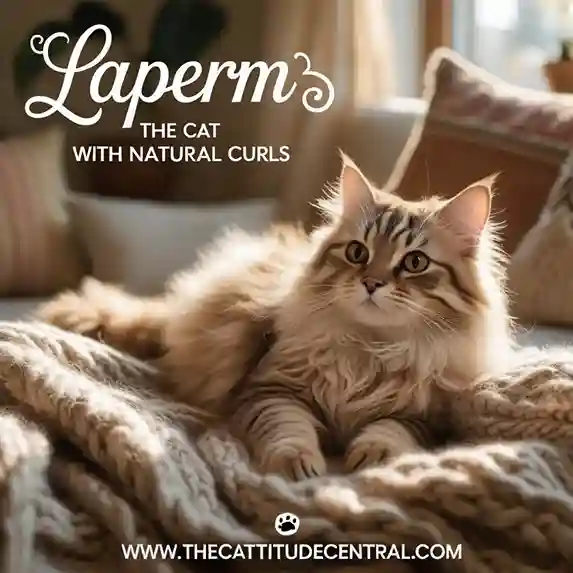
Imagine a cat that looks like it just stepped out of a salon with a fresh perm, curls bouncing with every step, and a personality so warm it could melt the iciest heart. That’s the LaPerm, a rare and delightful cat breed that combines striking looks with a loving, playful spirit. Whether you’re a seasoned cat owner or a first-time pet parent, the LaPerm’s unique coat, friendly demeanor, and quirky charm make it a standout choice.
In this ultimate guide, we’ll dive deep into everything you need to know about the LaPerm—from its fascinating origins to practical care tips, health insights, and why this curly-coated cuddlebug might just steal your heart. Ready to unravel the magic of the LaPerm? Let’s get started!
Table of Contents
🐾 Recommended for Pet Parents
Discover trusted resources, tips and tools for your furry friend!
Explore Free Pet Resources →History and Origin: A Curly Tale Born in Oregon
The LaPerm’s story begins in 1982 on a cherry orchard in The Dalles, Oregon, where Linda and Dick Koehl, a couple with no prior experience in cat breeding, stumbled upon something extraordinary. Among a litter of barn kittens, one stood out: a bald, wrinkled kitten they named Curly. At first, the Koehls thought Curly might have a health issue, but by eight weeks, she began sprouting a soft, wavy coat unlike anything they’d seen. This wasn’t just a quirky kitten—it was the start of a new breed.
Curly’s unique coat was the result of a spontaneous genetic mutation, a dominant gene that gave her curls and would shape the LaPerm breed. As Curly grew and had kittens of her own, many inherited her distinctive coat, sparking the Koehls’ curiosity. They began selectively breeding to preserve and refine this trait, crossing Curly’s offspring with other healthy cats to ensure genetic diversity.
By the 1990s, the LaPerm was gaining attention, and in 2003, TICA granted it championship status, followed by the CFA in 2008. From a barn kitten to a recognized breed, the LaPerm’s journey is a testament to the wonders of nature and human dedication.
This origin story isn’t just about genetics—it’s about a couple’s passion for preserving something special. The LaPerm’s humble beginnings remind us that beauty and uniqueness can emerge from the most unexpected places, making this breed’s history as captivating as its curls.
Physical Characteristics: The Beauty of the LaPerm’s Curls
The LaPerm’s defining feature is, of course, its coat—a cascade of curls that range from tight ringlets to loose, flowing waves. But there’s more to this breed than just its fabulous fur. Let’s break down the LaPerm’s physical traits:
Coat: A Curly Masterpiece
- Texture and Types: The LaPerm’s coat is soft, lightweight, and springy, with curls that vary from tight corkscrews to loose, beachy waves. Shorthair LaPerms have a slightly denser coat, while longhair varieties boast flowing curls, especially around the throat, ears, and belly, creating a ruffled “collar” effect.
- Colors and Patterns: LaPerms come in every imaginable color and pattern—tabby, tortoiseshell, solid, pointed, bicolor, and more. Whether it’s a striking red tabby or a sleek black coat, the curls add a dynamic flair to every hue.
- Shedding: Compared to other breeds, LaPerms shed minimally, which makes them appealing to those seeking a low-maintenance coat. However, their curls require specific care to stay vibrant (more on that later).
Body: Elegance in Motion
- Build: LaPerms have a medium-sized, athletic frame that’s both elegant and sturdy. Their long legs and neck give them a graceful, almost dancer-like quality.
- Weight: Males typically weigh 7–10 pounds, while females range from 5–8 pounds, making them a perfect size for cuddling or perching on your shoulder.
- Tail: The tail is long and tapered, often with a plume of curls in longhair LaPerms, adding to their expressive charm.
Head and Face: Expressive and Endearing
- Head Shape: The LaPerm’s head is a modified wedge with rounded contours, giving it a soft, approachable look.
- Eyes: Large, almond-shaped eyes sparkle with curiosity, available in colors like blue, green, gold, or even heterochromia in some cases.
- Ears: Medium to large, slightly flared ears are adorned with curly furnishings in longhairs, adding to their whimsical appearance.
The LaPerm’s physical traits combine to create a cat that’s as beautiful to look at as it is to touch. Petting a LaPerm feels like running your fingers through a cloud of curls—a sensory delight that’s hard to resist.
Personality and Temperament: A Heart as Warm as Their Curls
If the LaPerm’s coat is its crown, its personality is its soul. These cats are the epitome of affection, blending playfulness with a deep desire for human connection. Here’s what makes the LaPerm’s temperament so special:
- Affectionate: LaPerms are lap cats through and through. They love snuggling, purring loudly as they curl up next to you. Many owners report their LaPerms seeking out physical contact, from head-butts to gentle paw touches.
- Playful: With an energetic streak, LaPerms enjoy interactive games like fetch, chasing laser pointers, or batting at feather toys. Their athleticism makes them agile jumpers, often leaping to high perches with ease.
- Social: These cats thrive on human interaction and often follow their owners from room to room, “supervising” daily tasks. They’re also friendly with strangers, making them great for households with frequent guests.
- Adaptable: LaPerms adjust well to various environments, whether it’s a bustling family home or a quiet apartment. They get along with children, other cats, and even cat-friendly dogs, provided introductions are gradual.
- Vocal: While not as chatty as Siamese, LaPerms have a soft, chirpy voice they use to communicate needs or simply say hello. Their vocalizations are more melodic than demanding.
- Curious and Intelligent: LaPerms love exploring their surroundings and solving puzzles. They’re quick learners, often figuring out how to open doors or snag treats from puzzle feeders.
The LaPerm’s personality makes it an ideal companion for anyone seeking a cat that’s both a cuddly friend and an entertaining playmate. Their ability to form strong bonds with their humans is one of their most cherished traits, earning them the nickname “curly-coated cuddlebug.”
Care and Maintenance: Keeping Your LaPerm Happy and Healthy
Owning a LaPerm is a joy, but their unique coat and active nature require specific care to keep them thriving. Here’s a detailed guide to LaPerm care:
Grooming: Maintaining Those Curls
- Brushing: Brush your LaPerm 1–2 times weekly with a wide-tooth comb or soft brush to prevent matting and keep curls defined. Avoid over-brushing, as it can flatten the coat. A light touch is key to preserving the springy texture.
- Bathing: Occasional baths (every 4–6 weeks) with a cat-safe shampoo enhance the coat’s shine and curl definition. Use lukewarm water and rinse thoroughly to avoid residue that could irritate their skin. The curls magically reappear as the coat dries, especially if air-dried or gently blow-dried on a low setting.
- Ear and Nail Care: Clean ears monthly with a vet-recommended solution to prevent wax buildup or infections. Trim nails every 2–3 weeks to keep them short and safe for furniture and your skin.
- Grooming Tip: Regular grooming sessions strengthen your bond with your LaPerm. Make it a positive experience with treats and praise, and they’ll come to love their spa days.
Diet: Fueling Their Energy
- Nutrition Needs: LaPerms are active, so they require high-quality, protein-rich cat food to support their energy levels. Look for foods with real meat as the first ingredient and avoid fillers like corn or soy.
- Portion Control: Feed according to your cat’s weight and activity level (consult your vet for guidance). LaPerms can be prone to weight gain if overfed, especially indoor cats.
- Hydration: Ensure access to fresh water at all times. Wet food can help with hydration, particularly for cats prone to urinary issues.
- Treats: Use treats sparingly—opt for healthy options like freeze-dried meat treats to reward their playful antics.
Exercise: Keeping Them Active
- Playtime: Dedicate 15–20 minutes daily to interactive play with toys like feather wands, laser pointers, or balls. LaPerms love chasing and pouncing, which keeps them physically and mentally stimulated.
- Enrichment: Provide scratching posts, cat trees, and climbing shelves to satisfy their love for heights. Puzzle feeders or treat-dispensing toys engage their clever minds.
- Outdoor Safety: If you allow outdoor access, use a secure catio or leash-train your LaPerm to protect their coat from dirt and parasites. Always supervise outdoor time to ensure their safety.
Health Monitoring
- Vet Visits: Schedule annual checkups to catch potential issues early. Vaccinations, flea prevention, and dental cleanings are essential for long-term health.
- Dental Care: Brush your LaPerm’s teeth weekly with cat-safe toothpaste to prevent periodontal disease, a common feline issue.
- Watch for Signs: Monitor for changes in appetite, behavior, or litter box habits, which could indicate health concerns. Early detection is key to addressing issues.
With attentive care, your LaPerm’s curls will stay stunning, and their vibrant personality will shine through every day.
Health and Lifespan: A Robust Breed with Longevity
LaPerms are generally healthy cats with a lifespan of 12–18 years, and with exceptional care, some live into their early 20s. Their diverse genetic background contributes to their resilience, but like all breeds, they’re susceptible to certain conditions. Here’s what to know:
- General Health: The LaPerm has no major breed-specific diseases, thanks to its diverse gene pool. The dominant curly coat gene (Lp) doesn’t appear to cause health problems.
- Potential Concerns:
- Hypertrophic Cardiomyopathy (HCM): A heart condition common in many cat breeds. Regular vet checkups with heart screenings can detect early signs.
- Skin Sensitivities: The unique coat may be prone to dryness or irritation, especially if bathed too frequently or with harsh products. Use hypoallergenic shampoos and monitor for redness or flaking.
- Dental Issues: Like most cats, LaPerms can develop dental disease. Regular brushing and professional cleanings are crucial.
- Obesity: Inactive LaPerms may gain weight, which can lead to diabetes or joint issues. Monitor diet and encourage exercise.
- Genetic Testing: Reputable breeders test for genetic conditions like HCM to ensure healthy kittens. Ask for health certificates when adopting.
- Spaying/Neutering: Unless breeding, spay or neuter your LaPerm by 6 months to prevent health and behavioral problems. Some LaPerms may temporarily lose curls after surgery due to hormonal shifts, but they typically regrow within months.
With proper care, LaPerms can enjoy long, healthy lives, bringing joy to your home for well over a decade.
Living Environment: Where LaPerms Thrive
LaPerms are versatile cats that adapt well to various living situations, from cozy apartments to sprawling homes. Their social and active nature makes them a great fit for many households, but their environment should cater to their needs.
Ideal Home:
- LaPerms thrive in homes with space to explore, climb, and play. A small apartment works if enriched with toys, cat trees, and vertical spaces.
- Indoor living is recommended to protect their delicate coat from dirt, parasites, and weather damage. Outdoor access should be limited to secure spaces like a catio.
Compatibility:
- Children: LaPerms are gentle and playful, making them great for kids who are taught to handle cats respectfully. Supervise young children to ensure gentle interactions.
- Other Pets: They get along well with other cats and cat-friendly dogs, especially with slow introductions. Their social nature helps them integrate into multi-pet homes.
- Busy Households: LaPerms love attention and interaction.
Enrichment:
- Cat Trees and Perches: LaPerms enjoy climbing and lounging on high vantage points. A tall cat tree or window perch is essential for their happiness.
- Toys and Puzzles: Interactive toys like feather wands and puzzle feeders stimulate their curious minds. Rotate toys regularly to maintain interest and prevent boredom.
- Safe Spaces: Provide cozy beds, blankets, or hideaways for quiet moments. LaPerms appreciate a soft spot where they can curl up for a nap after playtime.
Creating a stimulating and loving environment ensures your LaPerm feels secure, happy, and ready to shower you with affection.
Hypoallergenic Myth: Clearing the Air
You may have heard that LaPerms are hypoallergenic due to their low-shedding coat, but let’s set the record straight. No cat is truly hypoallergenic, and the LaPerms is no exception.
- Allergen Source: Cat allergies are triggered by proteins in cat dander (skin flakes), saliva, and urine, not just fur. While LaPerms shed less, they still produce these allergens.
- Why They Seem Hypoallergenic: Their minimal shedding means less dander spreads around the home, which may reduce allergic reactions for some people. Regular grooming and bathing can further lower allergen levels by removing loose dander.
- Testing Exposure: If you have allergies, spend time with a LaPerm before adopting to gauge your reaction. Some owners with mild allergies report fewer symptoms with LaPerms compared to heavy-shedding breeds like Maine Coons or Persians.
While not allergen-free, LaPerms may be a better choice for allergy sufferers, but always consult with a breeder or shelter to test compatibility before bringing one home.
Breeding and Genetics: The Science of Curls
The LaPerm’s curly coat is the result of a fascinating genetic quirk, making their breeding process both unique and carefully managed.
Curly Coat Gene:
The dominant Lp gene causes the curly coat. A single copy of the gene results in a curly coat, while two copies can produce tighter curls. Straight-haired LaPerms (recessive gene) are rare but can appear in litters, though they’re not recognized in breed standards.
Breeding Practices:
- Reputable breeders cross LaPerm with other breeds like Domestic Shorthairs or Siamese to maintain genetic diversity and prevent inbreeding, which can lead to health issues.
- Health screenings for genetic conditions like HCM, polycystic kidney disease (PKD), and other conditions are standard to ensure healthy kittens.
Kitten Development:
- LaPerm kittens may be born bald, with straight fur, or with partial curls. The full curly coat typically develops by 6–12 months, though some may molt and regrow curls during adolescence.
- Hormonal changes (e.g., spaying/neutering) or stress can temporarily affect curl development, but the coat usually stabilizes with their curls over time.
Ethical breeding ensures the LaPerm’s health, personality, and unique coat are preserved, producing kittens that embody the breed’s charm and vitality.
Adoption and Cost: Bringing a LaPerm Home
Ready to welcome a LaPerm into your life? Here’s how to find one and what to expect in terms of adoption or purchase:
Finding a LaPerm:
- Breeders: Seek TICA- or CFA-registered breeders who prioritize health, temperament, and socialization. Check for health guarantees, genetic testing, and transparent breeding practices.
- Rescues: LaPerms are rare in shelters, but breed-specific rescues or local shelters may occasionally have them. Websites like Petfinder or Adopt-a-Pet can help you locate available LaPerms.
- Adoption Events: Attend cat shows or breeder events to meet LaPerms in person and connect with reputable sources. These events are also a great way to learn more about the breed.
Cost:
- Breeder Kittens: Prices typically range from $500–$1,500, depending on pedigree, coat quality, and geographic location. Show-quality LaPerms with exceptional curls or rare colors may cost more.
- Rescue Fees: Adoption fees for LaPerms from shelters or rescues are usually $50–$200, often including spaying/neutering, vaccinations, and microchipping.
- Additional Costs: Budget for initial supplies (litter box, food, toys, scratching posts, etc.), vet visits, and ongoing care like grooming products and premium food.
Considerations:
- Verify breeder credentials to avoid kitten mills or unethical practices. Ask for references, health records, and, if possible, visit the cattery to see the kittens’ environment.
- Ensure kittens are at least 12 weeks old, fully vaccinated, and well-socialized before adoption to ensure a smooth transition to their new home.
- Prepare your home with LaPerm-friendly supplies, such as a cat tree, scratching posts, and grooming tools, to welcome your new furry friend.
Adopting a LaPerm is an investment in a loving, unique companion that will bring years of joy, cuddles, and playful antics.
Fun Facts and Trivia: Quirky LaPerm Tidbits
Here are some delightful facts about the LaPerm to spark your curiosity:
- Nickname Origins: The “curly-coated cuddlebug” nickname perfectly captures their affectionate nature and distinctive coat, reflecting their knack for snuggling and charming their owners.
- Unexpected Beginnings: The Koehls initially thought Curly’s baldness was a defect, only to discover her curls were a natural wonder—a happy accident that beauty comes in unexpected places.
- Therapy Cats: LaPerms’ gentle and loving demeanor makes them ideal for therapy programs, where they bring joy to hospitals, nursing homes, and schools with their soothing presence.
- Coat Quirks: Some LaPerms experience a “teenage molt,” temporarily losing curls during adolescence before regrowing them in full splendor, adding to their unpredictable charm.
- Global Appeal: Born in Oregon, LaPerms have fans in Europe, Australia, and beyond, where breeders are working to expand the breed’s reach and share their curly magic.
These tidbits make the LaPerm even more endearing, showcasing their unique place in the cat world.
FAQs About LaPerm Cat
Are LaPerm cats hypoallergenic?
No cat is fully hypoallergenic, but LaPerms shed less, which may reduce allergens for some people.
How often should I groom my LaPerm?
Brush 1–2 times weekly, bathe every 4–6 weeks, and clean ears/trim nails monthly.
What’s the difference between shorthair and longhair LaPerms?
Shorthairs have tight curls; longhairs have wavy, flowing coats. Grooming needs are similar.
How active are LaPerms compared to other breeds?
Moderately playful—more energetic than Persians but less intense than Bengals.
Can LaPerms live with other pets?
Yes, they’re social and adapt well to cats and cat-friendly dogs with proper introductions.
How much does a LaPerm cost?
$500–$1,500 (breeders); $50–$200 (rescues). Price depends on pedigree and coat.
Do LaPerms need special food?
No, but high-quality, protein-rich food is recommended. Consult your vet for specifics.
Conclusion: Why the LaPerm Is the Perfect Pet
The LaPerm cat is a rare gem—a breed that combines stunning looks, a loving personality, and a playful spirit. From their curly coats that invite gentle pets to to their affectionate nature that fills homes with warmth, LaPerms bring something truly special to every home. Whether you’re drawn to their low-shedding coat, their cuddly demeanor, or their acrobatic antics, this breed delivers endless joy in every moment. Their adaptability makes them ideal for families, singles, couples, or seniors, ensuring they fit seamlessly into any lifestyle.
If you’re considering a LaPerm, take the time to connect with reputable breeders or rescues, prepare your home with care, and embrace the journey of loving a curly-coated cuddlebug. With proper care, your LaPerm will be a loyal friend, offering years of love, laughter, and a few fabulous curls that make every day a little more magical.
Ready to welcome a LaPerm into your life? Start your adventure today and discover why this breed is stealing the hearts around the world, one curl at a time.
Sources
- The International Cat Association
- Cat Fanciers’ Association.
- PetMD
- The Spruce Pets