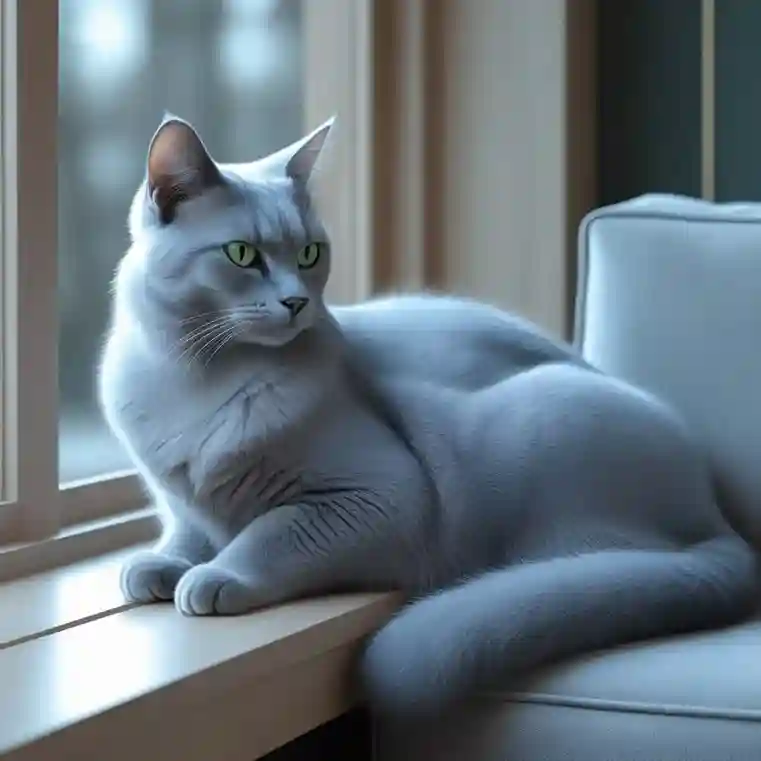
With their sleek, silvery-blue coats and vivid emerald eyes, Russian Blue cats are the epitome of feline elegance. But beyond their striking appearance lies a personality that’s equally captivating. Known for their intelligence, loyalty, and subtle quirks, Russian Blues have a behavioral profile that sets them apart from other breeds. Whether you’re a proud Russian Blue owner or considering adopting one, understanding their behavior is key to fostering a harmonious bond. In this in-depth exploration, we’ll uncover the nuances of Russian Blue behavior, from their social tendencies to their playful antics, and offer practical tips for nurturing their unique traits.
This blog post is your ultimate guide to decoding the Russian Blue’s enigmatic personality. We’ll dive into their instincts, emotional intelligence, and daily habits, providing insights backed by feline behaviorists and real-life anecdotes from Russian Blue owners. By the end, you’ll have a deeper appreciation for these majestic cats and the tools to ensure they thrive in your home.
Table of Contents
🐾 Recommended for Pet Parents
Discover trusted resources, tips and tools for your furry friend!
Explore Free Pet Resources →The Origins of Russian Blue Behavior: A Historical Perspective
To understand Russian Blue behavior, it’s helpful to trace their roots. Believed to have originated in the port city of Arkhangelsk, Russia, these cats were prized by sailors for their hunting prowess and adaptability. Often called “Archangel Blues,” they traveled aboard ships, honing their agility and independence. This seafaring heritage shaped their behavior, fostering a blend of self-reliance and sociability that defines them today.
Russian Blues are not just survivors; they’re strategists. Their history as shipboard mousers instilled a keen intelligence and problem-solving ability. Unlike more vocal breeds like the Siamese, Russian Blues communicate with subtlety, using body language and soft vocalizations. This reserved nature reflects their aristocratic demeanor, earning them a reputation as the “gentlemen” of the feline world.
Core Characteristics of Russian Blue Behavior
Russian Blues are a study in contrasts: affectionate yet independent, playful yet poised. Let’s break down the key behavioral traits that define this breed.
1. Loyalty and Bonding: The One-Person Cat
Russian Blues are fiercely loyal, often forming a deep bond with one person in the household. This doesn’t mean they’re aloof with others, but their devotion to their “chosen human” is unmatched. Owners often describe their Russian Blue as a shadow, following them from room to room with quiet devotion.
This loyalty stems from their need for trust. Russian Blues are cautious by nature and take time to warm up to strangers. Once trust is established, however, their affection is unwavering. To nurture this bond:
- Spend quality time daily: Engage in interactive play or quiet cuddles to reinforce your connection.
- Respect their boundaries: Avoid forcing affection, as Russian Blues value their autonomy.
- Create a safe space: Provide a cozy retreat where they can relax without disruption.
2. Intelligence and Problem-Solving
Russian Blues are among the most intelligent cat breeds, with a knack for puzzles and strategy. They’re observant, quickly learning routines and even manipulating their environment to get what they want. For example, many owners report their Russian Blue opening doors or nudging treat jars to signal snack time.
This intelligence demands mental stimulation. Without it, Russian Blues may become bored, leading to mischievous behavior like knocking over objects or excessive grooming. To keep their minds sharp:
- Invest in puzzle toys: Feeder toys or treat-dispensing balls challenge their problem-solving skills.
- Teach tricks: Russian Blues can learn commands like “sit” or “fetch” with positive reinforcement.
- Rotate toys: Introduce new toys regularly to prevent monotony.
3. Playfulness with Poise
While Russian Blues love to play, their style is more refined than that of high-energy breeds like the Bengal. They’re agile and precise, often leaping to impressive heights or stalking toys with laser focus. Their play mimics hunting, reflecting their ancestral instincts.
Unlike some cats, Russian Blues don’t demand constant attention. They’re content to entertain themselves but thrive on interactive play with their owners. Favorites include:
- Wand toys: Mimic prey movement to engage their hunting instincts.
- Laser pointers: Provide a fun chase, but always end with a tangible reward to avoid frustration.
- Cat trees: Offer vertical space for climbing and observation.
4. Sensitivity to Environment
Russian Blues are highly sensitive to their surroundings. Loud noises, sudden changes, or chaotic environments can stress them out, leading to withdrawn or anxious behavior. Their reserved nature means they prefer predictability and routine.
To create a Russian Blue-friendly home:
- Maintain consistency: Stick to regular feeding and play schedules.
- Minimize loud noises: Use soft voices and avoid startling sounds like vacuums when they’re nearby.
- Provide hiding spots: Cozy beds or covered cat condos offer security during stressful moments.
5. Subtle Communication
Unlike vocal breeds, Russian Blues express themselves through body language and soft vocalizations. A slow blink signals trust, while a flicking tail may indicate irritation. Their meows are gentle and melodic, often reserved for specific requests like food or attention.
Understanding their cues strengthens your bond. Pay attention to:
- Ear position: Forward ears show curiosity; flattened ears signal discomfort.
- Purring: A soft purr often means contentment, but rapid purring can indicate stress.
- Tail language: A high, quivering tail is a greeting, while a low tail suggests caution.
Russian Blue Behavior in Different Contexts
Russian Blues adapt their behavior based on their environment and relationships. Let’s explore how they interact with humans, other pets, and their surroundings.
With Humans: Affectionate but Discerning
Russian Blues are affectionate but not clingy. They enjoy physical closeness—curling up on your lap or sleeping near you—but they’re not overly demanding. Their discerning nature means they choose when and how to show affection, often initiating contact on their terms.
For families, Russian Blues do best in calm households. They may be wary of young children who are loud or unpredictable but can form strong bonds with gentle, respectful kids. To help them adjust:
- Teach kids boundaries: Show children how to pet gently and avoid sudden movements.
- Supervised interactions: Monitor early encounters to ensure positive experiences.
With Other Pets: Cautious but Cooperative
Russian Blues can coexist with other pets, but introductions require patience. Their reserved nature means they prefer to observe new animals before engaging. With time, they may form playful or tolerant relationships, especially with cats or calm dogs.
To facilitate harmony:
- Gradual introductions: Use scent swapping and controlled meetings to ease tension.
- Provide separate resources: Ensure each pet has their own food, water, and litter box to prevent competition.
- Monitor body language: Watch for signs of stress, like hissing or avoidance, and intervene if needed.
In New Environments: Observant and Cautious
Russian Blues are not fans of sudden change. Moving to a new home or rearranging furniture can unsettle them. They’ll often explore cautiously, taking time to map out their territory before relaxing.
To ease transitions:
- Use familiar items: Bring their favorite bed or toy to provide comfort.
- Create a safe zone: Set up a quiet room with their essentials during the adjustment period.
- Be patient: Allow them to explore at their own pace without forcing interaction.
Common Behavioral Challenges and Solutions
While Russian Blues are generally well-mannered, certain behaviors may arise due to stress, boredom, or unmet needs. Here’s how to address them:
1. Excessive Grooming
Russian Blues may over-groom when stressed, leading to bald patches or skin irritation. Common triggers include environmental changes or lack of stimulation.
Solution:
- Identify stressors and minimize them (e.g., reduce loud noises).
- Increase playtime and mental enrichment.
- Consult a vet to rule out medical issues like allergies.
2. Destructive Scratching
While not typically destructive, Russian Blues may scratch furniture if their scratching needs aren’t met or if they’re bored.
Solution:
- Provide multiple scratching posts in different textures (sisal, cardboard).
- Place posts near favorite furniture to redirect scratching.
- Use positive reinforcement (treats, praise) when they use the post.
3. Withdrawal or Hiding
If a Russian Blue feels overwhelmed, they may retreat to hidden spots and avoid interaction.
Solution:
- Create a calm environment with quiet spaces.
- Avoid forcing them out; instead, lure them with treats or toys.
- Monitor for signs of illness, as withdrawal can indicate health issues.
Nurturing Your Russian Blue’s Well-Being
To ensure your Russian Blue thrives, focus on their physical, mental, and emotional needs.
Physical Health
Russian Blues are generally healthy but prone to obesity if overfed. Their sleek coat requires minimal grooming, but regular brushing prevents hairballs. Key tips:
- Feed a high-quality, portion-controlled diet.
- Brush weekly to maintain coat health.
- Schedule annual vet checkups to catch issues early.
Mental Stimulation
A bored Russian Blue is a recipe for mischief. Keep their minds engaged with:
- Interactive toys and puzzles.
- Training sessions to learn new skills.
- Environmental enrichment, like window perches for bird-watching.
Emotional Connection
Russian Blues thrive on trust and routine. Strengthen your bond by:
- Respecting their need for space.
- Engaging in daily play or cuddle sessions.
- Observing their cues to understand their mood.
Real-Life Stories: Russian Blue Owners Share Their Experiences
To bring Russian Blue behavior to life, here are anecdotes from owners:
- Sarah, New York: “My Russian Blue, Luna, is my shadow. She follows me everywhere but never begs for attention. Her favorite game is chasing a feather wand, and she leaps like a ballerina. When I moved apartments, she hid for two days but slowly explored once I set up her favorite blanket.”
- Mark, California: “Our Russian Blue, Nikolai, is a genius. He figured out how to open the treat drawer in a week! He’s picky about guests but loves our other cat, a mellow tabby, after a slow introduction.”
- Emily, Texas: “Misha is so sensitive to noise. The vacuum sends her under the bed, but she’s fine once it’s quiet. She gives me slow blinks when I talk to her—it’s like she’s saying, ‘I trust you.’”
These stories highlight the breed’s loyalty, intelligence, and sensitivity, offering a glimpse into life with a Russian Blue.
Frequently Asked Questions About Russian Blue Behavior
Q: Are Russian Blues good for first-time cat owners?
A: Yes, their low-maintenance coat and gentle temperament make them suitable, but they require mental stimulation and a calm environment.
Q: Do Russian Blues get along with dogs?
A: With gradual introductions, they can coexist with calm dogs. Their cautious nature means patience is key.
Q: Why is my Russian Blue so reserved with strangers?
A: It’s their natural temperament. They take time to trust but warm up with consistent, gentle interactions.
Q: How can I tell if my Russian Blue is stressed?
A: Look for over-grooming, hiding, or changes in appetite. Address stressors and consult a vet if symptoms persist.
Conclusion: Celebrating the Russian Blue’s Unique Charm
Russian Blues are more than just beautiful cats—they’re intelligent, loyal, and deeply attuned to their environment. Their behavior, shaped by a rich history and refined instincts, makes them a joy to live with, provided their needs are met. By understanding their loyalty, intelligence, and sensitivity, you can create a nurturing environment where your Russian Blue thrives.
Whether you’re drawn to their poised playfulness or their quiet devotion, one thing is clear: a Russian Blue is a companion like no other. Share your own Russian Blue stories in the comments, and let’s celebrate these feline aristocrats together!