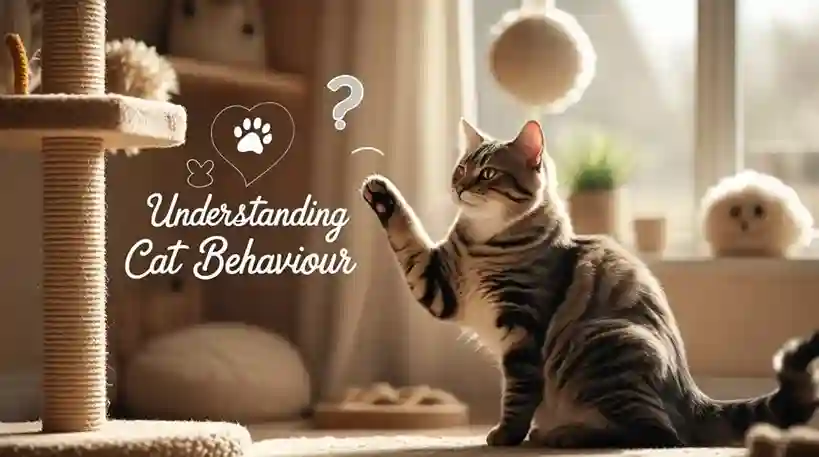
When it comes to choosing a feline companion, the temperament of a cat breed can make all the difference. Enter the Ragdoll cat—a breed renowned for its strikingly beautiful appearance and an equally captivating personality. With their plush coats, vivid blue eyes, and a temperament that’s often described as dog-like, Ragdolls have become a favorite among cat lovers worldwide. But what exactly makes the Ragdoll cat temperament so special? In this comprehensive guide, we’ll dive deep into the personality traits, behaviors, and quirks of Ragdoll cats, exploring why these gentle giants are such beloved companions.
Whether you’re considering adopting a Ragdoll, curious about their unique disposition, or simply a cat enthusiast, this post will provide everything you need to know about the Ragdoll cat temperament. From their affectionate nature to their adaptability in various households, we’ll cover it all—backed by insights from veterinarians, breeders, and Ragdoll owners. Let’s get started!
Table of Contents
🐾 Recommended for Pet Parents
Discover trusted resources, tips and tools for your furry friend!
Explore Free Pet Resources →What Is a Ragdoll Cat?
Before we delve into the temperament of Ragdolls, let’s set the stage with a brief overview of the breed. Ragdolls are a large, semi-longhaired cat breed developed in the 1960s by breeder Ann Baker in California. Known for their striking blue eyes, color-point coats, and luxurious fur, Ragdolls are often referred to as “gentle giants” due to their sizable yet soft demeanor.
The name “Ragdoll” comes from their tendency to go limp and relaxed when picked up, much like a ragdoll toy. This unique trait is a hallmark of their temperament and one of the many reasons they’re adored by families, singles, and seniors alike. But it’s not just their physical traits that make Ragdolls stand out—their personality is truly what sets them apart.
The Core Traits of the Ragdoll Cat Temperament
The Ragdoll cat temperament is often described as a perfect blend of affection, calmness, and sociability. Here are the core personality traits that define this breed:
1. Affectionate and People-Oriented
Ragdolls are often called “puppy-like” because of their deep attachment to their owners. Unlike some cats that prefer solitude, Ragdolls thrive on human interaction. They’ll follow you from room to room, curl up in your lap, or even greet you at the door after a long day. Their affectionate nature makes them ideal for those seeking a loyal, cuddly companion.
Dr. Emily Thompson, a feline behaviorist, explains, “Ragdolls form strong bonds with their owners, often displaying behaviors more akin to dogs than typical cats. They crave attention and love being involved in their human’s daily activities.”
2. Docile and Gentle
One of the standout features of the Ragdoll temperament is their docile and gentle nature. These cats are rarely aggressive and are known for their patience, making them excellent companions for households with children or other pets. Their laid-back demeanor means they’re more likely to tolerate being handled or dressed up than other breeds.
This gentleness extends to their interactions with strangers as well. Ragdolls are typically welcoming to guests, often approaching them with curiosity rather than fear. However, their trusting nature means they may not be as street-smart as other cats, so they’re best suited to indoor living.
3. Playful Yet Relaxed
While Ragdolls aren’t as high-energy as breeds like the Bengal or Abyssinian, they enjoy playtime and have a playful streak that keeps them entertaining. They love interactive toys, feather wands, and even fetch games—a nod to their dog-like tendencies. However, their playfulness is balanced by a love for lounging, often spending hours napping in sunny spots or cozy beds.
Ragdoll owner Sarah Mitchell shares, “My Ragdoll, Luna, loves chasing her laser pointer, but after a few minutes, she’s ready to flop onto the couch for a cuddle session. It’s the perfect mix of fun and chill!”
4. Intelligent and Trainable
Ragdolls are highly intelligent and can be trained to perform simple tricks, use a litter box with ease, or even walk on a leash. Their desire to please their owners makes them responsive to positive reinforcement training. Many Ragdoll owners report teaching their cats to come when called or to sit for treats.
Their intelligence also means they enjoy mental stimulation. Puzzle toys, treat-dispensing games, and even simple hide-and-seek activities can keep a Ragdoll engaged and happy.
5. Vocal but Soft-Spoken
Unlike the chatty Siamese, Ragdolls are relatively quiet cats. When they do vocalize, it’s often with soft, melodic meows or trills. They use their voices to communicate affection, hunger, or curiosity, but they’re not prone to excessive yowling. This makes them a great choice for apartment dwellers or those who prefer a quieter pet.
How the Ragdoll Temperament Shines in Different Environments
The Ragdoll’s adaptable and easygoing nature allows them to thrive in various living situations. Here’s how their temperament makes them a great fit for different households:
1. Families with Children
Ragdolls are often recommended for families due to their gentle and patient demeanor. They tolerate the unpredictable movements and loud noises of young children better than many other breeds. However, parents should always supervise interactions to ensure the cat isn’t overwhelmed, as Ragdolls may not assert boundaries as firmly as other cats.
2. Homes with Other Pets
Ragdolls generally get along well with other animals, including dogs and other cats. Their non-territorial nature and sociable personality make them quick to befriend furry housemates. Introducing a Ragdoll to a multi-pet household is often smoother than with more dominant breeds.
3. Singles and Seniors
For individuals living alone or seniors seeking companionship, Ragdolls are a perfect match. Their affectionate and low-maintenance nature provides emotional support without the high-energy demands of other breeds. Their love for lap time and quiet moments makes them ideal for cozy evenings at home.
4. Small Apartments
Ragdolls adapt well to smaller living spaces as long as they have access to vertical spaces (like cat trees) and interactive toys. Their calm demeanor means they’re less likely to cause chaos in confined areas, and their indoor nature suits apartment life.
Ragdoll Cat Temperament: Myths vs. Reality
Like any popular breed, Ragdolls are subject to myths and misconceptions about their temperament. Let’s debunk a few common ones:
Myth 1: Ragdolls Are Completely Limp and Lifeless
The idea that Ragdolls go completely limp when picked up is an exaggeration. While many Ragdolls do relax significantly when held, not all exhibit this trait to the same degree. Their “floppiness” depends on their comfort level and trust in the person handling them.
Myth 2: Ragdolls Are Lazy and Uninterested in Play
While Ragdolls are laid-back, they’re not lazy. They enjoy playtime and need regular physical and mental stimulation to stay healthy. Their relaxed nature simply means they’re content to alternate between play and rest.
Myth 3: Ragdolls Are Too Fragile for Active Households
Ragdolls are sturdy, large cats that can handle moderate activity. Their gentle temperament doesn’t mean they’re delicate; they’re just less likely to engage in roughhousing compared to more assertive breeds.
Caring for a Ragdoll’s Temperament: Tips for Owners
To ensure your Ragdoll’s temperament shines, proper care and attention are essential. Here are some tips to nurture their personality:
1. Provide Plenty of Affection
Ragdolls thrive on love and attention. Spend quality time cuddling, petting, and engaging with your cat to strengthen your bond. Neglecting their need for interaction can lead to loneliness or mild behavioral issues.
2. Create a Stimulating Environment
Keep your Ragdoll mentally and physically active with toys, scratching posts, and climbing structures. Rotate toys regularly to maintain their interest and prevent boredom.
3. Maintain a Calm Household
Ragdolls are sensitive to stress and prefer peaceful environments. Avoid sudden loud noises or chaotic changes, as these can make them anxious. A consistent routine helps them feel secure.
4. Groom Regularly
Ragdolls have semi-long coats that require regular brushing to prevent matting. Grooming sessions also double as bonding time, reinforcing their affectionate nature.
5. Monitor Health
Ragdolls are prone to certain health issues, such as hypertrophic cardiomyopathy (HCM) and urinary tract problems. Regular vet checkups ensure your cat remains healthy, which supports their happy, laid-back temperament.
Ragdoll Temperament in Action: Real-Life Stories
To illustrate the Ragdoll cat temperament, here are two real-life stories from Ragdoll owners (names changed for privacy):
Story 1: Max, the Therapy Cat
Lisa, a nurse in Seattle, adopted a Ragdoll named Max to help her cope with work-related stress. “Max is like my personal therapist,” she says. “He senses when I’m upset and will curl up next to me, purring softly. His calm presence is so soothing, and he’s never too busy for a cuddle.”
Max’s gentle and empathetic nature highlights the Ragdoll’s ability to provide emotional support, making them excellent companions for those with demanding lifestyles.
Story 2: Bella, the Family Favorite
The Johnson family in Texas welcomed a Ragdoll named Bella into their home with two young children and a dog. “Bella is so patient with the kids,” says mom Emily. “She lets them pet her and even joins in their games. Our dog took to her immediately, and now they nap together!”
Bella’s adaptability and sociability showcase why Ragdolls are a top choice for multi-pet and family households.
Comparing Ragdoll Temperament to Other Breeds
To give you a clearer picture, let’s compare the Ragdoll temperament to a few other popular cat breeds:
| Breed | Temperament Highlights | Key Differences from Ragdolls |
|---|---|---|
| Maine Coon | Friendly, sociable, intelligent | More independent and high-energy than Ragdolls |
| Siamese | Vocal, affectionate, highly social | More vocal and demanding than the quiet Ragdoll |
| Persian | Quiet, gentle, low-energy | Less interactive and playful than Ragdolls |
| Abyssinian | Playful, curious, energetic | Much more active and less cuddly than Ragdolls |
While each breed has its charm, the Ragdoll’s unique combination of affection, calmness, and sociability makes it stand out for those seeking a devoted, easygoing pet.
FAQs About Ragdoll Cat Temperament
To wrap up, here are answers to some frequently asked questions about the Ragdoll temperament:
Q: Are Ragdolls good with kids?
A: Yes, Ragdolls are excellent with children due to their gentle and patient nature. Supervision is recommended with young kids to ensure respectful handling.
Q: Do Ragdolls get along with dogs?
A: Absolutely! Ragdolls are sociable and often form strong bonds with dogs, especially if introduced properly.
Q: Are Ragdolls clingy?
A: Ragdolls are affectionate and love being near their owners, but they’re not overly demanding. They enjoy companionship without being clingy.
Q: Can Ragdolls be left alone?
A: Ragdolls prefer company and may become lonely if left alone for long periods. Providing toys and a stimulating environment can help.
Q: Are Ragdolls vocal?
A: Ragdolls are relatively quiet, using soft meows to communicate. They’re much less vocal than breeds like the Siamese.
Conclusion: Is a Ragdoll Right for You?
The Ragdoll cat temperament is a delightful mix of affection, gentleness, and sociability, making them one of the most beloved cat breeds in the world. Their dog-like loyalty, calm demeanor, and adaptability suit a wide range of households, from bustling families to quiet apartments. Whether you’re drawn to their cuddly nature, playful streak, or striking appearance, Ragdolls have a way of stealing hearts with their enchanting personality.
If you’re ready to welcome a Ragdoll into your life, be prepared for a loyal companion who’ll shower you with love and bring joy to every day. Have a Ragdoll or considering adopting one? Share your thoughts or questions in the comments below—we’d love to hear from you!
Source: Cats.com