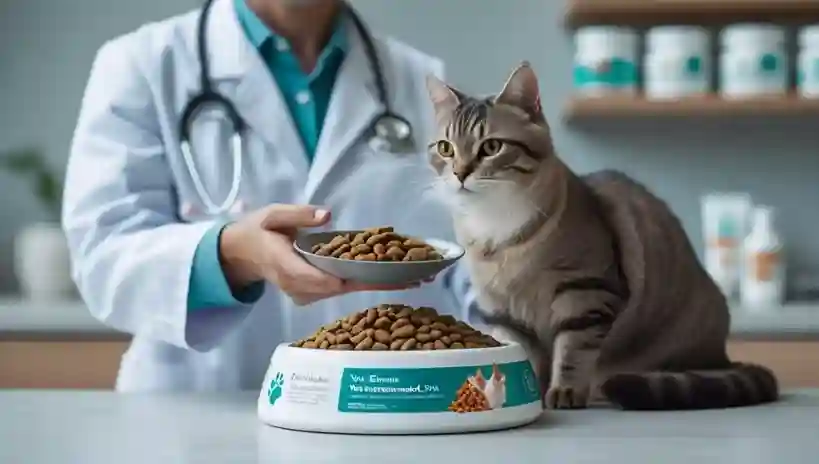
Your cat is more than a pet—they’re a cherished member of your family, bringing joy with every purr, head bump, and playful leap. Their health, energy, and longevity depend heavily on one critical factor: their diet. In 2025, the pet food industry is bursting with options, from budget-friendly kibble to gourmet wet food, raw diets, and even personalized meal plans. But with so many choices, finding the best cat food can feel like solving a puzzle. Should you choose grain-free? Is wet food worth the cost? What about sustainable or prescription diets?
The good news? Pet nutrition has never been more advanced, with brands prioritizing high-quality ingredients, eco-conscious sourcing, and formulas tailored to every cat’s needs—kittens, seniors, picky eaters, or those with health issues. This ultimate guide is your one-stop resource to navigate the world of cat food.
We’ll dive into feline nutritional requirements, review the top 10 cat foods of 2025, explore specialized diets, debunk myths, and share expert tips to ensure your cat thrives. Plus, we’ll cover emerging trends, DIY recipes, and real-life success stories to inspire you. Let’s get started on finding the purr-fect food for your feline friend!
🐾 Recommended for Pet Parents
Discover trusted resources, tips and tools for your furry friend!
Explore Free Pet Resources →Understanding Your Cat’s Nutritional Needs
Cats are obligate carnivores, meaning their bodies are hardwired to thrive on animal-based proteins and fats. Unlike dogs or humans, cats cannot produce certain essential nutrients—like taurine, arginine, or vitamin A—from plant sources. Feeding them a diet that mimics their natural prey is key to their health. Here’s a detailed breakdown of their nutritional needs:
- Protein: The backbone of a cat’s diet, providing amino acids for muscle maintenance, immunity, and organ function. Look for foods with at least 30–40% protein (dry matter basis) from named sources like chicken, turkey, or fish.
- Fats: Deliver concentrated energy and support a shiny coat and healthy skin. Omega-3 (from fish oil) and omega-6 (from poultry fat) fatty acids are essential.
- Taurine: A critical amino acid found only in animal tissues, vital for heart health, vision, and reproduction. Deficiency can lead to blindness or heart disease.
- Vitamins and Minerals: Vitamin A (from liver), B-complex vitamins, and minerals like calcium, phosphorus, and magnesium support bones, metabolism, and immunity.
- Water: Cats have a low thirst drive, making hydration crucial to prevent urinary tract issues. Wet food (70–80% moisture) or water fountains help.
- Carbohydrates: Not essential but can provide energy in small amounts. Opt for digestible carbs (rice, sweet potatoes) over fillers like corn or soy.
Life Stage Considerations:
- Kittens: Need calorie-dense, high-protein food with DHA for brain and eye development.
- Adults: Require balanced diets to maintain weight and energy.
- Seniors: Benefit from lower-calorie, joint-supporting formulas with digestible proteins.
What to Avoid: Steer clear of foods with vague ingredients (e.g., “meat by-products”), artificial preservatives (BHA, BHT), or excessive fillers. Always look for the AAFCO (Association of American Feed Control Officials) statement to ensure the food is “complete and balanced” for your cat’s life stage.
Types of Cat Food: A Comprehensive Comparison
With so many cat food formats, understanding their pros, cons, and ideal use cases is essential. Here’s an in-depth look at the main types:
- Dry Cat Food (Kibble)
- Pros: Affordable, convenient, and long-lasting. Some formulas reduce tartar buildup, supporting dental health.
- Cons: Low moisture content (~10%) can lead to dehydration or urinary issues in cats who don’t drink enough. Often higher in carbs and fillers.
- Best For: Budget-conscious owners, multi-cat households, or cats with ample water access.
- Example: Orijen Regional Red (high-protein, grain-free).
- Wet Cat Food (Canned)
- Pros: High moisture content (70–80%) promotes hydration and urinary health. Typically higher in protein and lower in carbs.
- Cons: More expensive, less convenient, and spoils quickly. Generates more packaging waste.
- Best For: Cats prone to urinary issues, picky eaters, or those needing hydration.
- Example: Weruva Cats in the Kitchen (human-grade, high-protein).
- Raw or Freeze-Dried Diets
- Pros: Closely mimics a cat’s natural diet with minimally processed meat, organs, and bones. High in protein and nutrient-dense.
- Cons: Expensive, requires careful handling to avoid bacterial contamination (e.g., salmonella), and may lack balanced nutrients without vet oversight.
- Best For: Owners committed to natural diets with time and budget to invest.
- Example: Stella & Chewy’s Freeze-Dried Raw (safe, convenient).
- Prescription Diets
- Pros: Scientifically formulated for conditions like kidney disease, diabetes, or allergies. Backed by veterinary research.
- Cons: Requires a vet’s prescription, costly, and may not appeal to picky eaters.
- Best For: Cats with chronic health conditions.
- Example: Purina Pro Plan Veterinary Diets HA Hydrolyzed (for allergies).
- Semi-Moist Food
- Pros: Soft, chewy texture appeals to picky eaters. More convenient than wet food and less messy.
- Cons: Often contains artificial preservatives and higher sugar content. Less common than other types.
- Best For: Transitioning cats between wet and dry or as an occasional treat.
- Example: Hill’s Science Diet Soft Savories.
Hybrid Approach: Many vets recommend combining wet and dry food to balance hydration, nutrition, and dental health. For example, offer wet food twice daily and leave a small portion of kibble for grazing, ensuring total calories align with your cat’s needs.
Top 10 Best Cat Foods for 2025
After evaluating ingredient quality, brand reputation, customer reviews, and nutritional profiles, here are our top picks for the best cat food in 2025. These options span budgets, dietary preferences, and health needs.
- Orijen Regional Red Cat Food (Dry)
- Why We Love It: 90% animal ingredients (beef, pork, lamb, fish), 40% protein, grain-free, and taurine-rich.
- Best For: Adult cats needing high-protein, low-carb diets.
- Where to Buy: Chewy, Amazon, Petco
- Royal Canin Feline Health Nutrition Wet Food
- Why We Love It: Life-stage-specific formulas (kitten, adult, senior) with high moisture and balanced nutrients.
- Best For: Cats needing hydration or tailored nutrition.
- Where to Buy: PetSmart, Chewy, Amazon
- Stella & Chewy’s Freeze-Dried Raw Dinner Morsels
- Why We Love It: 98% meat, organs, and bones, freeze-dried for safety. No grains or fillers.
- Best For: Cats transitioning to raw or natural diet enthusiasts.
- Where to Buy: Amazon, Chewy, Local Pet Stores
- Hill’s Science Diet Adult Indoor Cat Food (Dry)
- Why We Love It: Formulated for indoor cats with fiber for hairball control and digestion. Vet-recommended and affordable.
- Best For: Indoor cats on a budget.
- Where to Buy: Petco, Chewy, Amazon
- Weruva Cats in the Kitchen Wet Food
- Why We Love It: Human-grade ingredients with flavors like “Funky Chunky Chicken.” High protein and moisture.
- Best For: Picky eaters who love variety.
- Where to Buy: Amazon, Chewy
- Blue Buffalo Wilderness High Protein Dry Food
- Why We Love It: Grain-free, real chicken, and LifeSource Bits for added vitamins. 40% protein.
- Best For: Active cats needing high protein.
- Where to Buy: PetSmart, Amazon
- Instinct Original Grain-Free Wet Food
- Why We Love It: Cage-free chicken, no fillers, and natural ingredients. High moisture and protein.
- Best For: Cats with grain sensitivities.
- Where to Buy: Chewy, Amazon
- Purina Pro Plan Veterinary Diets HA Hydrolyzed (Prescription)
- Why We Love It: Hydrolyzed protein minimizes allergic reactions. Ideal for food sensitivities.
- Best For: Cats with medical dietary needs.
- Where to Buy: Amazon, Vet Clinics, Chewy (with prescription)
- Tiki Cat After Dark Wet Food
- Why We Love It: High-protein, grain-free, with organ meats for a natural diet. Bold, meaty flavors.
- Best For: Cats who love rich textures.
- Where to Buy: Amazon, Chewy
- Iams ProActive Health Kitten Dry Food
- Why We Love It: Budget-friendly, formulated for kittens with DHA for brain development.
- Best For: Kittens on a budget.
- Where to Buy: Walmart, Petco, Amazon
How to Choose the Best Cat Food for Your Cat?
Selecting the right food requires a personalized approach. Here’s a step-by-step guide:
- Evaluate Life Stage: Kittens need growth-supporting nutrients, adults need maintenance diets, and seniors benefit from joint or kidney support.
- Address Health Conditions: Cats with diabetes, kidney disease, or allergies may require prescription or specialized diets.
- Scrutinize Ingredients: Prioritize named meats (e.g., “chicken” over “poultry by-products”) and avoid artificial additives or fillers.
- Consider Preferences: Picky eaters may prefer certain textures (pâté, shreds, chunks) or flavors (fish, poultry). Test small portions.
- Verify AAFCO Approval: Ensures the food meets nutritional standards for your cat’s life stage.
- Consult Your Vet: Critical for cats with medical issues, weight concerns, or those switching to raw or homemade diets.
- Budget Wisely: Balance quality and cost. Premium foods may save money long-term by reducing vet bills.
Switch foods gradually over 7–14 days to prevent digestive upset. Start with 25% new food mixed with 75% old food, increasing the new food portion daily.
Cat Food for Specific Needs
Some cats require specialized diets due to health, lifestyle, or sensitivities. Here’s a deeper exploration:
- Weight Management
- Why It’s Needed: Over 50% of cats are overweight, increasing risks of diabetes, arthritis, and heart disease.
- Best Foods: Low-calorie, high-fiber options like Hill’s Science Diet Perfect Weight or Royal Canin Weight Control.
- Tips: Measure portions, avoid free-feeding, and use puzzle feeders to slow eating.
- Urinary Health
- Why It’s Needed: Feline lower urinary tract disease (FLUTD) and crystals are common, especially in male cats.
- Best Foods: High-moisture wet foods or prescription diets like Purina Pro Plan Urinary Tract Health.
- Tips: Encourage hydration with water fountains, broths, or wet food.
- Food Allergies or Sensitivities
- Why It’s Needed: Allergies to proteins (chicken, beef) or grains can cause skin irritation or digestive issues.
- Best Foods: Limited-ingredient diets (Natural Balance L.I.D.) or hydrolyzed protein diets (Purina HA).
- Tips: Conduct an elimination diet with your vet to identify triggers.
- Senior Cats
- Why It’s Needed: Aging cats may face kidney decline, arthritis, or dental issues.
- Best Foods: Senior formulas like Royal Canin Aging 12+ or Hill’s Science Diet Senior 11+.
- Tips: Choose soft textures for dental issues and nutrients like glucosamine for joints.
- Kittens
- Why It’s Needed: Growing kittens require extra calories, protein, and DHA for brain and eye development.
- Best Foods: Kitten-specific formulas like Iams ProActive Health Kitten or Blue Buffalo Healthy Growth.
- Tips: Feed small, frequent meals to support rapid growth.
Breed-Specific Cat Food Considerations
While most cats share similar nutritional needs, certain breeds have unique traits that may influence their diet:
- Persians: Prone to hairballs and polycystic kidney disease. Choose high-fiber foods (Royal Canin Persian) and wet foods for hydration.
- Maine Coons: Large, active breeds needing high-protein diets to maintain muscle mass. Orijen Regional Red or Blue Buffalo Wilderness are ideal.
- Siamese: Lean, high-energy cats may need calorie-dense foods. Weruva wet foods or Instinct Original suit their needs.
- Sphynx: Hairless breeds with high metabolisms require calorie-rich, high-fat diets. Stella & Chewy’s raw or Tiki Cat After Dark work well.
- Ragdolls: Prone to obesity and heart issues. Opt for low-calorie, high-protein foods like Hill’s Science Diet Perfect Weight.
Note: Breed-specific foods are often marketing-driven. Focus on your cat’s individual health and consult your vet for tailored advice.
Sustainable and Novel Protein Cat Foods
As sustainability becomes a priority, brands are innovating with eco-friendly and novel protein sources. Here’s what’s trending in 2025:
- Insect-Based Proteins
- Why It’s Sustainable: Insects like crickets or black soldier fly larvae require less water, land, and feed than traditional livestock.
- Best Foods: Jiminy’s Cricket Protein Cat Food or Lovebug Cat Food (high-protein, hypoallergenic).
- Benefits: Ideal for cats with allergies to common proteins like chicken or beef.
- Lab-Grown Meat
- Why It’s Sustainable: Cultured meat reduces environmental impact and ethical concerns.
- Best Foods: Emerging brands like Because, Animals are testing lab-grown cat food (not yet widely available).
- Benefits: Mimics natural meat without slaughter.
- Plant-Based Additives Penalized**: While cats can’t thrive on fully plant-based diets, some foods incorporate sustainable plant ingredients (e.g., peas, lentils) to reduce meat content.
- Best Foods: Smalls for Cats (uses sustainable plant additives with high-quality meat).
Considerations: Sustainable foods are often pricier, but they align with eco-conscious values. Check for AAFCO approval to ensure nutritional balance.
DIY Cat Food Recipes: A Balanced Approach
Homemade cat food appeals to owners seeking control over ingredients, but it’s not without risks. Nutrient deficiencies (e.g., taurine, calcium) can cause serious health issues. Here are two vet-approved recipes (consult a veterinary nutritionist before long-term use):
Recipe 1: Chicken and Liver Cat Food
- Ingredients:
- 1 lb boneless chicken breast
- 2 oz chicken liver
- 1/4 cup cooked brown rice (optional)
- 1 tsp fish oil (omega-3s)
- 1/8 tsp taurine supplement
- Calcium supplement (per vet’s guidance)
- Instructions:
- Cook chicken and liver thoroughly, then blend into a paste.
- Mix in rice, fish oil, taurine, and calcium.
- Serve in small portions; refrigerate leftovers for up to 2 days.
- Yield: ~3–4 servings for a 10-lb cat.
Recipe 2: Salmon and Egg Cat Food
- Ingredients:
- 1 lb fresh salmon (wild-caught, deboned)
- 1 hard-boiled egg
- 1 tsp fish oil
- 1/8 tsp taurine supplement
- Calcium supplement
- Instructions:
- Bake salmon at 350°F for 15 minutes, then flake.
- Chop egg and mix with salmon, fish oil, taurine, and calcium.
- Serve fresh; refrigerate for up to 2 days.
- Yield: ~3–4 servings for a 10-lb cat.
Warning: Homemade diets must be precisely formulated. Work with a veterinary nutritionist to ensure long-term safety.
Case Studies: Real Cats, Real Results
- Luna, the Overweight Tabby
- Challenge: Luna, a 7-year-old tabby, was 18 lbs and lethargic.
- Solution: Switched to Hill’s Science Diet Perfect Weight, measured portions, and added a puzzle feeder.
- Result: Lost 4 lbs in 6 months, with increased energy and playfulness.
- Max, the Allergic Siamese
- Challenge: Max, a 5-year-old Siamese, had chronic itching and ear infections.
- Solution: Vet prescribed Purina Pro Plan HA Hydrolyzed after an elimination diet.
- Result: Itching stopped within 3 weeks, and coat became glossy.
- Bella, the Picky Kitten
- Challenge: Bella, a 6-month-old kitten, refused most foods.
- Solution: Introduced Weruva Cats in the Kitchen (pâté texture, chicken flavor).
- Result: Bella gained healthy weight and eagerly ate twice daily.
Cost Comparison: Budget vs. Premium Cat Food
Feeding your cat high-quality food doesn’t always mean breaking the bank. Here’s a cost breakdown (based on a 10-lb cat eating ~200 kcal/day):
- Budget (Iams ProActive Health Kitten, $0.10/oz):
- Daily Cost: ~$0.50
- Monthly Cost: ~$15
- Mid-Range (Hill’s Science Diet Indoor, $0.20/oz):
- Daily Cost: ~$0.80
- Monthly Cost: ~$24
- Premium (Orijen Regional Red, $0.40/oz):
- Daily Cost: ~$1.60
- Monthly Cost: ~$48
- Raw (Stella & Chewy’s, $0.80/oz):
- Daily Cost: ~$3.20
- Monthly Cost: ~$96
Insight: Premium foods may cost more upfront but can reduce vet bills by preventing obesity or health issues. Subscription services (e.g., Chewy Autoship) often offer discounts.
Customer Testimonials
- Sarah, Chicago: “Switching to Tiki Cat After Dark transformed my cat’s energy. He used to be sluggish, but now he’s zooming around like a kitten!”
- Mike, Seattle: “Orijen is pricey, but my Maine Coon’s coat is shinier, and he’s never been healthier. Worth every penny.”
- Emily, Austin: “My senior cat struggled with dry food. Royal Canin Aging 12+ wet food was a game-changer—her appetite’s back!”
Common Cat Food Myths Debunked
Let’s clear up misinformation:
- Myth: Grain-free is always better.
- Truth: Only necessary for cats with grain allergies. Whole grains like rice are digestible.
- Myth: Dry food cleans teeth like dental treats.
- Truth: Kibble reduces tartar but doesn’t replace brushing or cleanings.
- Myth: Raw diets are always balanced.
- Truth: Raw diets carry bacterial risks and may lack nutrients without vet oversight.
- Myth: Cats can be vegetarian.
- Truth: Obligate carnivores need animal-based nutrients like taurine.
Expert Tips for Feeding Your Cat
- Portion Control: Use a measuring cup and adjust based on your cat’s weight and activity level to prevent obesity.
- Fresh Water: Place multiple bowls or a fountain to encourage drinking, especially for kibble-fed cats.
- Enrichment Tools: Puzzle feeders or slow-feed bowls stimulate mental engagement and prevent gulping.
- Storage: Store dry food in airtight containers; refrigerate opened wet food and use within 48 hours.
- Monitor Health: Watch for vomiting, diarrhea, or lethargy, which may signal food intolerance.
- Rotate Flavors: Variety (within the same brand) prevents boredom and ensures balance.
The Future of Cat Food in 2025
The pet food industry is evolving rapidly. Trends to watch:
- Sustainability: Insect protein, lab-grown meat, and plant-based additives reduce environmental impact.
- Personalization: Services like NomNomNow and Smalls offer tailored meals based on your cat’s health profile.
- Functional Foods: Diets with probiotics, joint supplements, or stress-relieving ingredients.
- Smart Technology: Wi-Fi-enabled feeders track portions and feeding habits.
Stay informed via trusted sources like the AAFP, WSAVA, or FDA pet food guidelines.
FAQ: Your Cat Food Questions Answered
Q: How often should I feed my cat?
A: Adults: 2–3 meals daily. Kittens: 4–5 small meals. Avoid free-feeding to control weight.
Q: Can I mix wet and dry food?
A: Yes! Combines hydration, nutrition, and dental benefits. Ensure total calories meet needs.
Q: Is raw food safe?
A: Commercially prepared raw (e.g., freeze-dried) is safer. Homemade raw requires vet oversight.
Q: What if my cat is picky?
A: Try different textures (pâté, shreds) or warm wet food to enhance aroma. Consult a vet if persistent.
Q: How do I know if a food is high-quality?
A: Check for named meats, AAFCO approval, and minimal fillers. Avoid artificial additives.
Q: Can I feed my cat human food?
A: Small amounts of plain cooked meat or fish are safe. Avoid toxic foods (onions, garlic, grapes).
Conclusion: Feed Your Cat for a Vibrant Life
Choosing the best cat food is one of the most impactful decisions you can make for your feline companion. By prioritizing high-quality ingredients, tailoring nutrition to their life stage, health, or breed, and staying informed about trends, you can ensure your cat lives a long, healthy, and happy life. Our top picks for 2025—from budget-friendly Iams to premium Orijen and raw Stella & Chewy’s—offer options for every cat and owner.
Take action today: review your cat’s current food, consult your vet, and try one of our recommended brands. Your cat will reward you with boundless energy, a glossy coat, and endless purrs.
What’s your favorite cat food brand? Got a tip for picky eaters? Share in the comments! Subscribe YouTube for more pet care guides and follow us on social media for updates.